
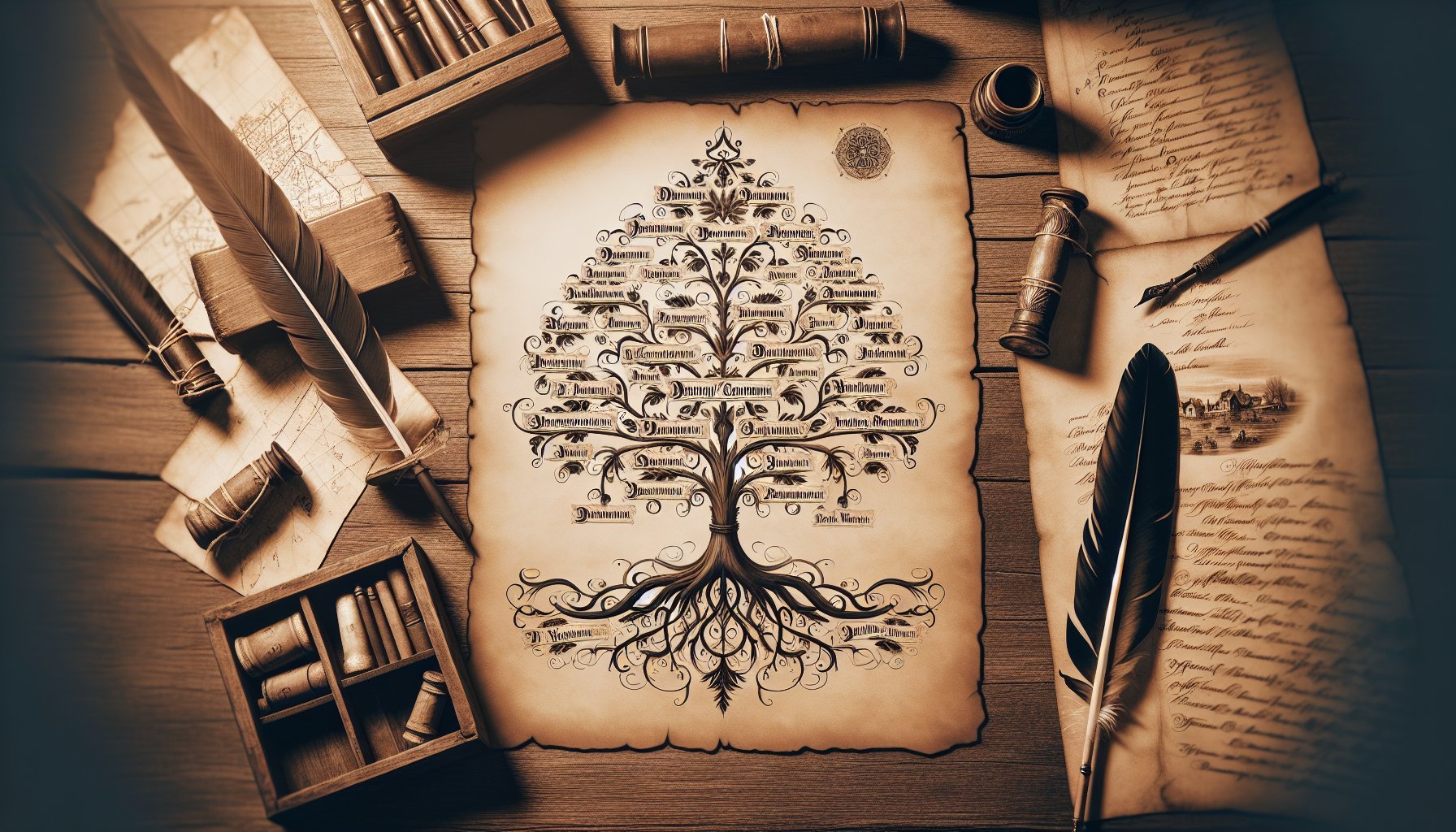
Why Explore Surnames Starting With J?
Surnames starting with J hold a unique place in the world of genealogy, offering a window into family histories, cultural roots, and linguistic evolution. These last names often trace back to diverse origins, including Hebrew, English, German, and Slavic traditions. For anyone researching their ancestry, understanding the meaning behind a surname can reveal connections to specific regions, occupations, or even biblical figures. Whether you’re a genealogy enthusiast or simply curious about your heritage, surnames beginning with J provide fascinating insights. This guide compiles a comprehensive list of such names, exploring their etymology and significance while helping you uncover potential links to your past. Dive into this rich collection to see what stories your family name might tell.
The study of last names starting with J also sheds light on migration patterns and historical events. Many of these surnames emerged during periods of significant social change, such as the medieval era in Europe or the diaspora of Jewish communities. Some names reflect patronymic traditions, derived from a father’s given name like John or Jacob, while others point to geographic locations or trades. By examining these names, you can piece together how families adapted to new environments or preserved their identities across generations. This article aims to equip you with the knowledge to trace these connections, offering a detailed look at the most common and obscure surnames that start with J, alongside their cultural and historical contexts.
Common Surnames Starting With J and Their Origins
Among the most recognized surnames starting with J are Johnson, Jones, and Jackson, each with deep roots in English and American history. Johnson, for instance, is a patronymic name meaning ‘son of John,’ and it ranks as one of the most prevalent last names in the United States. Its origins lie in medieval England, where it denoted lineage and family ties. Similarly, Jones, another widespread surname, also means ‘son of John’ and is particularly common in Wales. These names highlight the importance of given names in shaping family identities during the Middle Ages. Understanding their roots can help genealogists trace family lines back to specific regions or even pinpoint migration to the New World.
Jackson, meaning ‘son of Jack,’ shares a similar patronymic origin and is often linked to English and Scottish heritage. Beyond these, other surnames beginning with J, like Jenkins and James, also carry historical weight. Jenkins, a diminutive of John, emerged in Wales and Cornwall, while James, directly tied to the biblical name, is common across Britain. These last names starting with J often reflect a blend of religious and cultural influences, showcasing how naming conventions evolved over centuries. By studying these popular surnames, you can uncover shared histories or even connect with distant relatives who bear the same name through genealogical records and DNA testing.
Lesser-Known Surnames Beginning With J
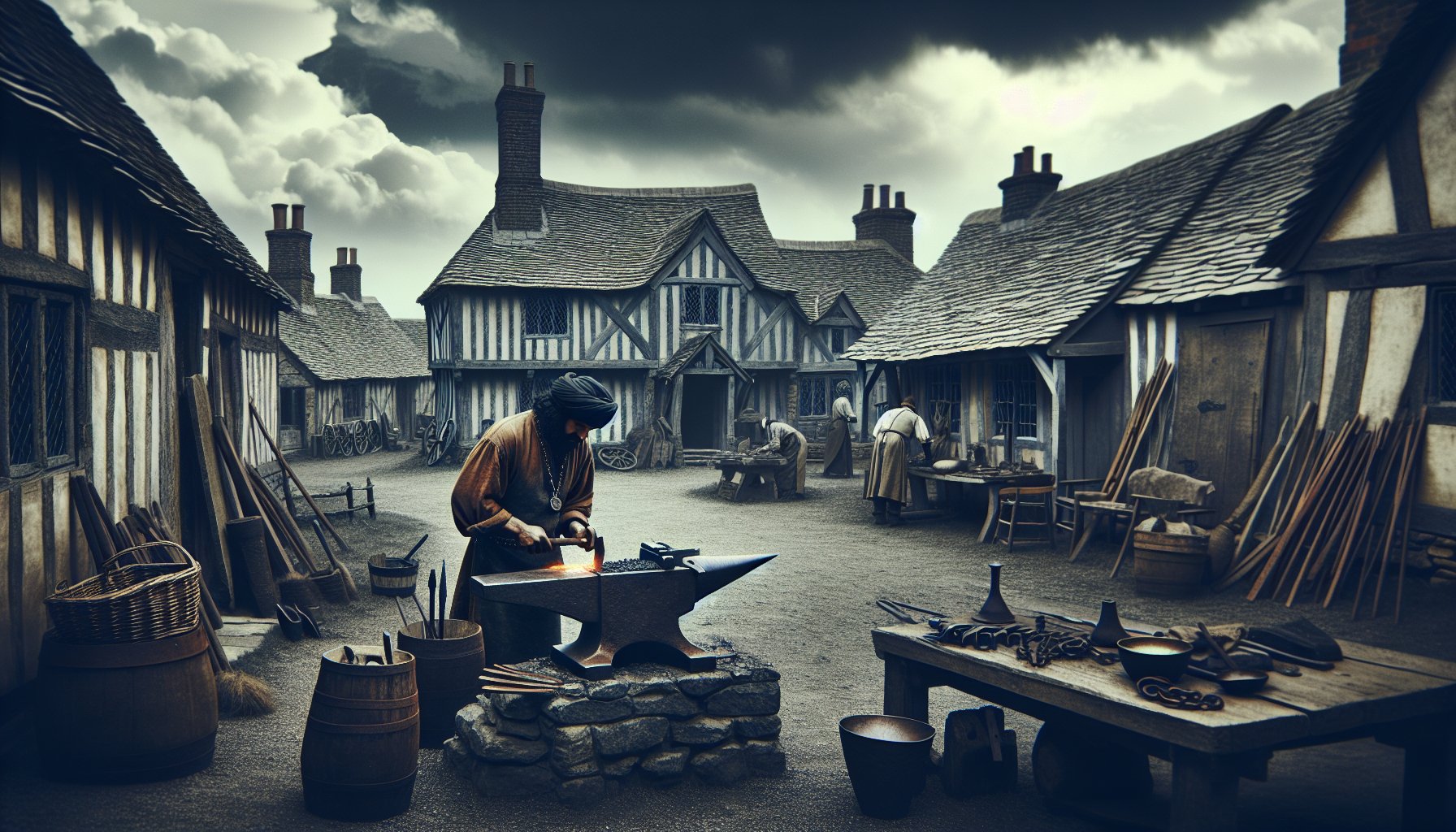
While names like Johnson and Jones dominate, there are countless lesser-known surnames starting with J that carry unique stories. Consider Jablonski, a Polish surname meaning ‘apple tree,’ often tied to families who lived near orchards or worked in agriculture. Another example is Jaeger, a German name translating to ‘hunter,’ reflecting an ancestral occupation. These surnames offer a glimpse into the daily lives of past generations, revealing how environment and profession shaped family identities. For genealogists, exploring these rarer last names starting with J can uncover hidden branches of a family tree, especially when paired with historical records from specific regions or immigration documents.
Cultural Significance of Last Names Starting With J
Surnames starting with J often carry profound cultural significance, particularly within Jewish, English, and Slavic communities. Many Jewish surnames, such as Jacobson or Jaffe, trace back to Hebrew origins. Jacobson means ‘son of Jacob,’ a name rooted in biblical tradition, while Jaffe translates to ‘beautiful’ or ‘pleasant,’ often linked to families from Eastern Europe. These names not only signify lineage but also reflect the resilience of communities through centuries of migration and persecution. For those researching their heritage, understanding the cultural context of surnames beginning with J can provide emotional connections to ancestors who carried these names through challenging times.
In English-speaking regions, last names starting with J often emerged from medieval naming practices, where patronymics were common. Names like Jarvis, meaning ‘spearman,’ highlight connections to ancient trades or roles in society. In Slavic cultures, surnames like Jankowski, meaning ‘son of Jan,’ showcase similar patterns of lineage-based naming. These cultural layers add depth to genealogical research, allowing individuals to appreciate the broader historical narratives tied to their family names. By exploring these diverse origins, you can better understand how global movements and local traditions influenced the surnames that start with J, creating a rich mosaic of human history.
How to Research Surnames Starting With J in Your Family Tree
Tracing surnames starting with J in your family history requires a strategic approach, leveraging both online resources and historical records. Start by gathering oral histories from relatives to identify variations of your surname, as spelling often changed over time due to migration or clerical errors. Websites like Ancestry.com and FamilySearch.org offer extensive databases of census records, immigration logs, and birth certificates that can help pinpoint when and where a surname emerged in your lineage. Focus on last names starting with J that match your family’s known geographic origins, as this narrows the search. Additionally, surname distribution maps can reveal clusters of specific names, guiding you to ancestral homelands for deeper investigation.
Beyond digital tools, local archives and libraries often hold valuable records, such as church registries or land deeds, that document surnames beginning with J. Joining genealogy forums or groups can also connect you with others researching similar names, providing shared insights or breakthroughs. DNA testing services, like 23andMe, offer another layer of discovery, linking you to genetic relatives who may share your surname or its variants. Document every finding meticulously, cross-referencing dates and locations to build a reliable family tree. With patience and persistence, researching these surnames can reveal forgotten stories, connecting you to a broader network of kin across generations and continents.

Frequently Asked Questions
What are some common surnames starting with J?
Some of the most common surnames starting with J include Johnson, Jones, and Jackson. Johnson and Jones both mean ‘son of John’ and have origins in medieval England and Wales, respectively. Jackson, meaning ‘son of Jack,’ is also prevalent in English and Scottish heritage. Other notable names include Jenkins and James, often tied to British roots. These surnames are widely recognized in English-speaking countries, especially in the United States, due to historical migration patterns.
What do surnames beginning with J often signify?
Surnames beginning with J frequently signify patronymic origins, meaning they are derived from a father’s given name like John or Jacob. Many also reflect cultural or religious influences, such as Jewish surnames like Jacobson or Jaffe, which connect to Hebrew traditions. Others may indicate occupations or geographic ties, as seen in names like Jaeger (‘hunter’ in German). These diverse meanings highlight the historical and social contexts in which the names developed.
How can I trace last names starting with J in my family history?
To trace last names starting with J, begin by collecting family stories and identifying any known variations of the surname. Use genealogy platforms like Ancestry.com or FamilySearch.org to access records such as censuses or passenger lists. Focus on regions tied to your family’s history to narrow your search. Additionally, explore local archives for historical documents and consider DNA testing to find genetic matches. Joining genealogy communities can also provide valuable shared knowledge.
Are there Jewish surnames that start with J?
Yes, there are several Jewish surnames that start with J, often rooted in Hebrew or Yiddish traditions. Examples include Jacobson, meaning ‘son of Jacob,’ and Jaffe, which translates to ‘beautiful’ or ‘pleasant.’ These names frequently trace back to Eastern European Jewish communities and reflect both lineage and cultural identity. Researching such surnames can reveal connections to historical migration patterns and significant events in Jewish history.
Ready to Uncover Your Family’s Story?
If you’re intrigued by the origins of surnames starting with J and want to explore your own family history, we’re here to help. Connect with our genealogy experts for personalized guidance or access our extensive resources to start building your family tree today. Visit our consultation page to take the first step in tracing your lineage and discovering the unique stories behind your last name.