
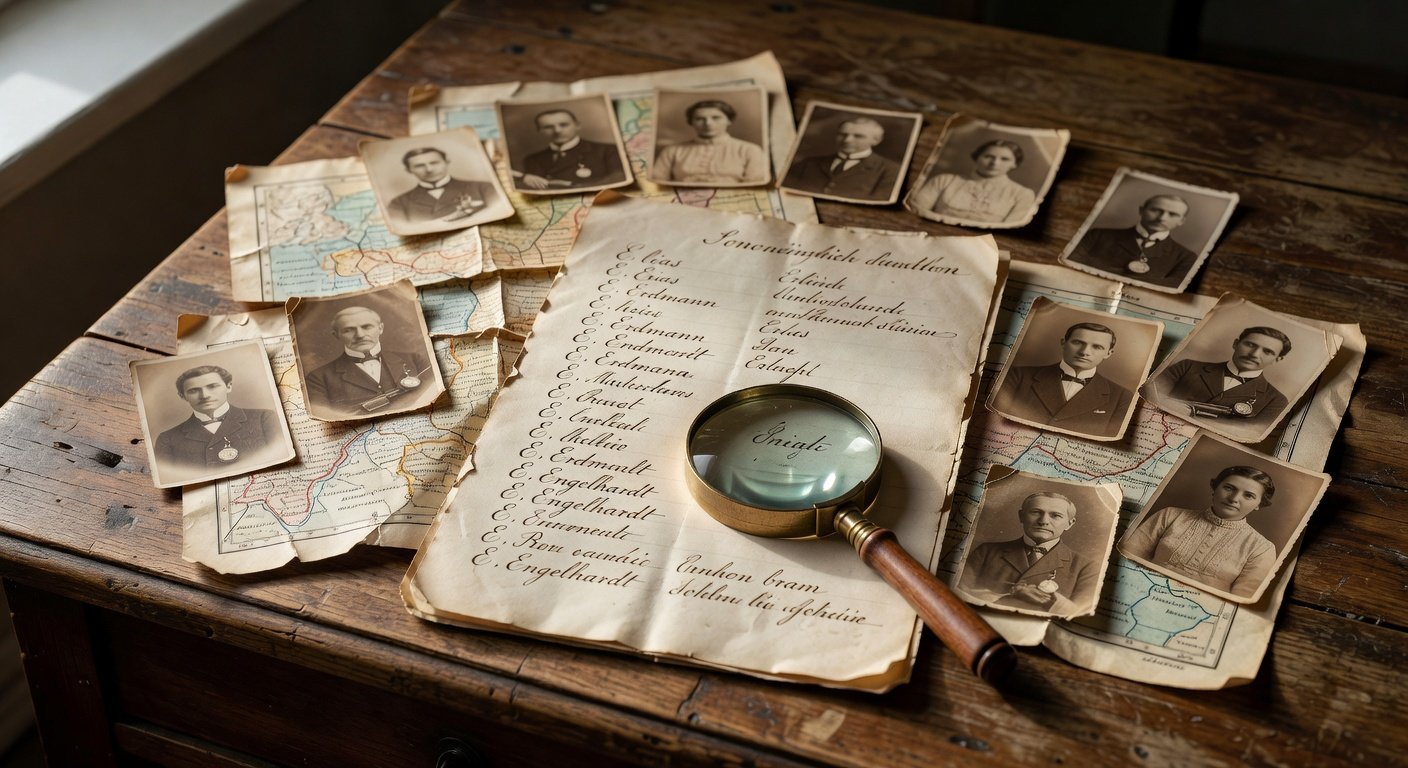
Understanding Surnames That Start With E
Surnames that start with E represent a fascinating cross-section of European and American family naming traditions. These family names carry centuries of linguistic evolution, geographical movement, and cultural adaptation. From the ancient Anglo-Saxon settlements to modern American immigration patterns, surnames beginning with E reflect diverse origins including occupational roles, geographical features, patronymic traditions, and physical characteristics. The letter E appears in approximately 4.2% of all surnames in English-speaking countries, making it a moderately common starting letter for family names.
The etymology of last names starting with E spans multiple language families and historical periods. Germanic tribes contributed names like Edwards and Erickson, while Celtic traditions gave us Ellis and Evans. Romance languages provided surnames such as Espinoza and Esposito, and Slavic influences brought names like Evanovich and Elias. Understanding these linguistic roots helps genealogists trace family migrations and cultural connections across generations. Many E surnames underwent significant spelling changes during immigration periods, particularly at Ellis Island, where clerks often anglicized foreign names to match English phonetic patterns.
English and Anglo-Saxon E Surnames
English surnames beginning with E often derive from Old English personal names, occupations, or geographical features. Edwards, meaning ‘wealthy guardian,’ ranks among the most common surnames starting with E in both Britain and America. The name originated from the Anglo-Saxon personal name Eadweard, combining ‘ead’ (wealth) and ‘weard’ (guardian). Ellis, another prevalent English surname, comes from the medieval personal name Elias, ultimately derived from the Hebrew Elijah. These patronymic surnames became hereditary during the Norman period, when administrative needs required consistent family identification systems.
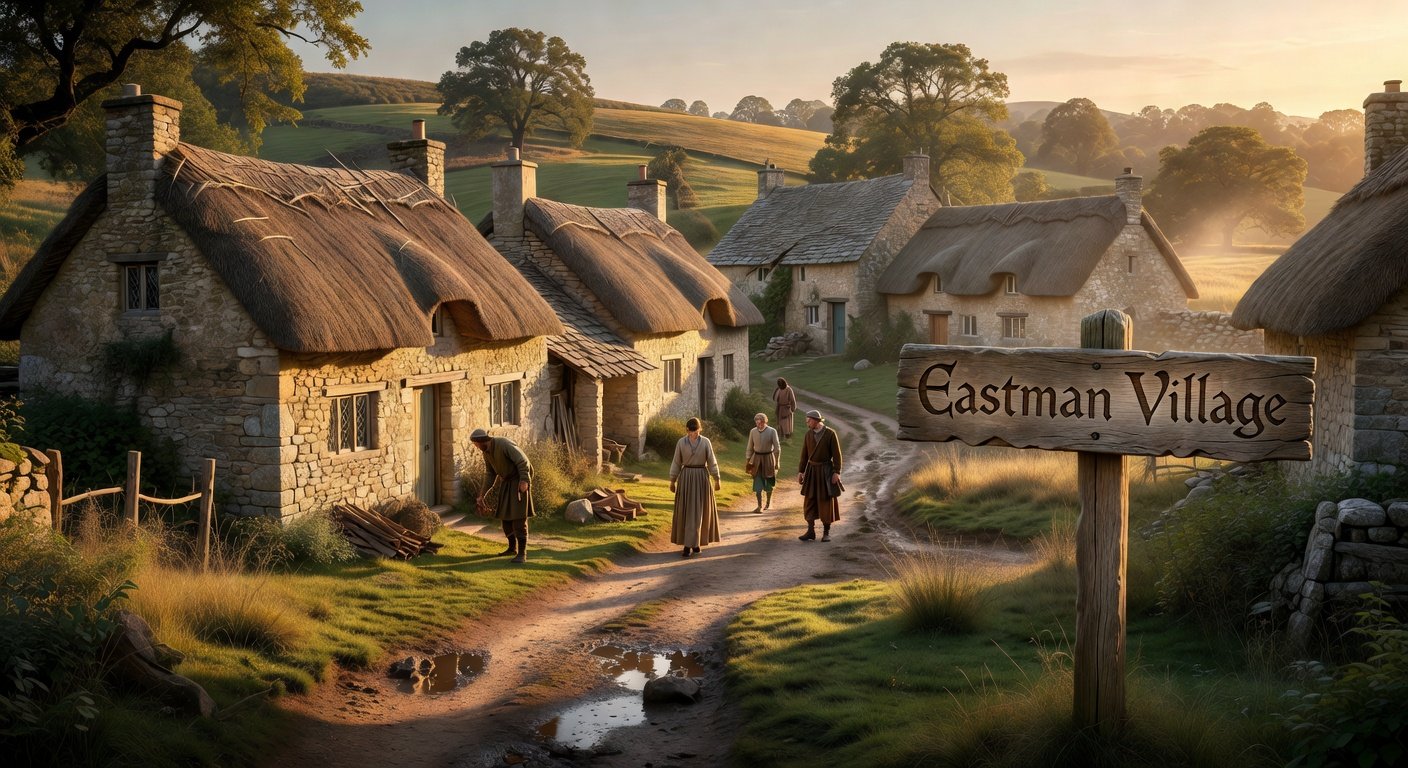
Occupational surnames like Elliott (from a diminutive of Elias) and Emerson (son of Emery) demonstrate how medieval professions and relationships shaped family naming conventions. Geographical surnames such as Eastman (one who lived to the east) and Elwood (from the elder wood) reflect the importance of landscape features in medieval identification systems. Many of these English surnames experienced significant population growth during the Industrial Revolution, as families migrated from rural areas to expanding cities, carrying their ancestral names into new communities and eventually across the Atlantic to American colonies.
Common English E Surnames and Their Meanings
Several English surnames beginning with E have maintained consistent popularity across centuries. Evans, meaning ‘son of Evan’ (itself a Welsh form of John), represents one of the most widespread surnames in Wales and England. The name demonstrates the Celtic influence on English naming patterns, particularly in border regions where Welsh and English cultures intersected. Eaton, derived from Old English ‘ea-tun’ meaning ‘river settlement,’ appears frequently in English parish records and reflects the agricultural nature of medieval English society. These toponymic surnames often indicate specific geographical origins, helping modern genealogists pinpoint ancestral locations with remarkable precision.
Germanic and Scandinavian E Surnames
Germanic and Scandinavian traditions contributed numerous surnames beginning with E to European and American naming systems. Erickson, meaning ‘son of Eric,’ exemplifies the patronymic naming tradition common throughout Scandinavia. The name Eric itself derives from Old Norse ‘Eiríkr,’ combining ‘ei’ (always) and ‘ríkr’ (ruler), creating a meaning of ‘eternal ruler.’ These patronymic surnames became fixed family names relatively late in Scandinavian history, often during the 19th century when government regulations required hereditary surnames. The -son suffix clearly identifies the patronymic origin, distinguishing these names from other surname categories.
German surnames like Eisenberg (iron mountain) and Engelhardt (brave angel) reflect both geographical features and personal characteristics valued in Germanic culture. The surname Eisenhower, famously associated with the American president, derives from German ‘Eisenhauer,’ meaning ‘iron hewer’ or blacksmith. These occupational surnames demonstrate the importance of metalworking and craftsmanship in medieval Germanic society. Many Germanic surnames beginning with E underwent spelling modifications during immigration to America, with officials and immigrants themselves adapting names to English phonetic patterns while attempting to preserve original meanings and family connections.
Scandinavian Patronymic Patterns
Scandinavian surnames that start with E follow distinctive patronymic patterns that evolved over centuries. Names like Eriksson, Edwardson, and Eliasson demonstrate the traditional practice of adding ‘-son’ or ‘-sen’ to the father’s given name. These surnames became hereditary at different times across Scandinavia, with Denmark adopting fixed surnames earlier than Sweden or Norway. The transition from patronymic to hereditary surnames often occurred during periods of increased record-keeping and taxation, when governments required consistent family identification. Understanding these historical contexts helps genealogists interpret Scandinavian family records and trace lineages through periods of naming system changes.
Romance Language E Surnames
Romance language surnames beginning with E reflect the rich linguistic heritage of Latin-derived languages across Europe and the Americas. Spanish surnames like Espinoza (from ‘espino,’ meaning thorn bush) and Estrada (meaning road or street) demonstrate how geographical features influenced family naming in Iberian cultures. Italian surnames such as Esposito (meaning foundling) and Evangelista (meaning evangelist) reveal both social circumstances and religious influences in Italian naming traditions. These surnames often carry deep cultural significance, connecting families to specific regions, occupations, or historical events within their countries of origin.
French surnames beginning with E, including Étienne (Stephen) and Évrard (brave boar), showcase the evolution of Latin personal names through Old French linguistic changes. Many French E surnames entered English-speaking countries through various historical periods, including the Norman Conquest, Huguenot migrations, and French colonial settlements in North America. Portuguese surnames like Esteves (son of Stephen) and Evangelista demonstrate similar patterns of patronymic formation and religious influence. These Romance language surnames often underwent significant spelling adaptations when families immigrated to English-speaking countries, creating multiple variant spellings that can challenge genealogical research but provide valuable clues about family migration patterns.
Spanish and Italian E Surname Variations
Spanish and Italian surnames beginning with E exhibit fascinating regional variations that reflect the complex political and cultural history of the Iberian Peninsula and Italian states. The Spanish surname Echeverría, meaning ‘new house,’ appears in various forms across different Spanish-speaking regions, while Italian surnames like Esposito concentrate heavily in southern Italy, particularly Naples, where the name historically identified foundlings raised by religious institutions. These geographical concentrations provide valuable genealogical clues, helping researchers focus their investigations on specific regions and understand the social contexts that shaped their ancestors’ lives and naming practices.
Celtic E Surnames and Their Heritage
Celtic surnames that start with E carry profound connections to Irish, Scottish, and Welsh cultural traditions. The Irish surname O’Sullivan, sometimes anglicized as Eagan or Egan, demonstrates how Gaelic naming patterns adapted to English administrative systems. Evans, while appearing English, actually represents a Welsh patronymic meaning ‘son of Evan,’ itself derived from the Welsh form of John. Scottish surnames like Erskine (from a place name meaning ‘green rising ground’) and Elliot (a border surname possibly meaning ‘Jehovah is God’) reflect the complex interactions between Celtic, Anglo-Saxon, and Norman influences in Scottish naming traditions.
The anglicization of Celtic surnames beginning with E often obscured their original meanings and pronunciations. Irish surnames like Ó hEachthigheirn (anglicized as Haughtery or sometimes Eachtery) underwent dramatic transformations during English colonial administration. Welsh surnames such as ap Evan (son of Evan) evolved into Evans through linguistic simplification and administrative convenience. These changes, while sometimes complicating genealogical research, provide fascinating insights into the cultural pressures and linguistic adaptations that shaped Celtic communities under English rule. Understanding these transformation patterns helps genealogists trace family lines through periods of significant cultural and political change.
American Immigration and E Surname Evolution
American immigration patterns significantly influenced the development and distribution of surnames beginning with E across the United States. Ellis Island records reveal numerous instances where European surnames underwent spelling modifications to accommodate English-speaking officials and American phonetic preferences. German surnames like Eisenhauer became Eisenhower, while Polish names such as Kowalewski sometimes transformed into Ellis through complete anglicization. These changes often reflected immigrants’ desires to assimilate into American society while maintaining some connection to their ancestral heritage.
The geographic distribution of E surnames across America tells the story of immigration waves and internal migration patterns. Scandinavian surnames like Erickson concentrate heavily in upper Midwest states where Nordic immigrants settled during the late 19th century. Spanish surnames beginning with E appear predominantly in southwestern states and Florida, reflecting both historical Spanish colonial presence and modern Latin American immigration. Irish surnames such as Egan and Elliott spread throughout American cities during the Great Famine migration, while Italian surnames like Esposito established strong concentrations in northeastern urban areas. These distribution patterns provide valuable genealogical resources for researchers attempting to trace family movements and settlement patterns.

Frequently Asked Questions
What are the most common surnames that start with E?
The most common surnames beginning with E include Edwards, Evans, Ellis, Elliott, and Erickson. These names reflect diverse origins: Edwards (English), Evans (Welsh), Ellis (English/Welsh), Elliott (Scottish/English), and Erickson (Scandinavian). Each appears frequently in both European and American genealogical records.
How did immigration affect E surnames in America?
Immigration significantly transformed many E surnames through anglicization and spelling modifications. Officials at Ellis Island and other entry points often changed foreign surnames to match English phonetic patterns. German Eisenhauer became Eisenhower, while some complex European surnames were completely replaced with simpler English equivalents like Ellis.
What do Germanic surnames starting with E typically mean?
Germanic E surnames often relate to occupations, geography, or personal characteristics. Eisenberg means ‘iron mountain,’ Engelhardt means ‘brave angel,’ and Eisenhower derives from ‘iron hewer’ (blacksmith). These names reflect the importance of metalworking, geography, and valued personal traits in Germanic culture.
Are Celtic E surnames different from English ones?
Yes, Celtic E surnames often have different linguistic roots and meanings than English surnames. Evans comes from Welsh patronymic traditions, while Irish surnames like Egan derive from Gaelic origins. Many underwent anglicization that obscured their original Celtic meanings and pronunciations during English administrative periods.
How can I trace the origin of my E surname?
Start by researching your surname’s linguistic roots and geographical distribution. Examine immigration records, census data, and historical documents. Consider DNA testing and connect with others sharing your surname. Professional genealogists can help interpret complex name changes and trace origins through multiple countries and language systems.
Ready to Explore Your E Surname Heritage?
Tracing your family’s surname origins can reveal fascinating connections to European heritage and American immigration stories. Our genealogy experts specialize in surname research and can help you navigate complex name changes, immigration records, and historical documentation. Whether your E surname has obvious origins or mysterious transformations, professional guidance can unlock your family’s naming history and connect you with ancestral roots across continents and centuries.