Understanding Surname Search: Your Gateway to Family History
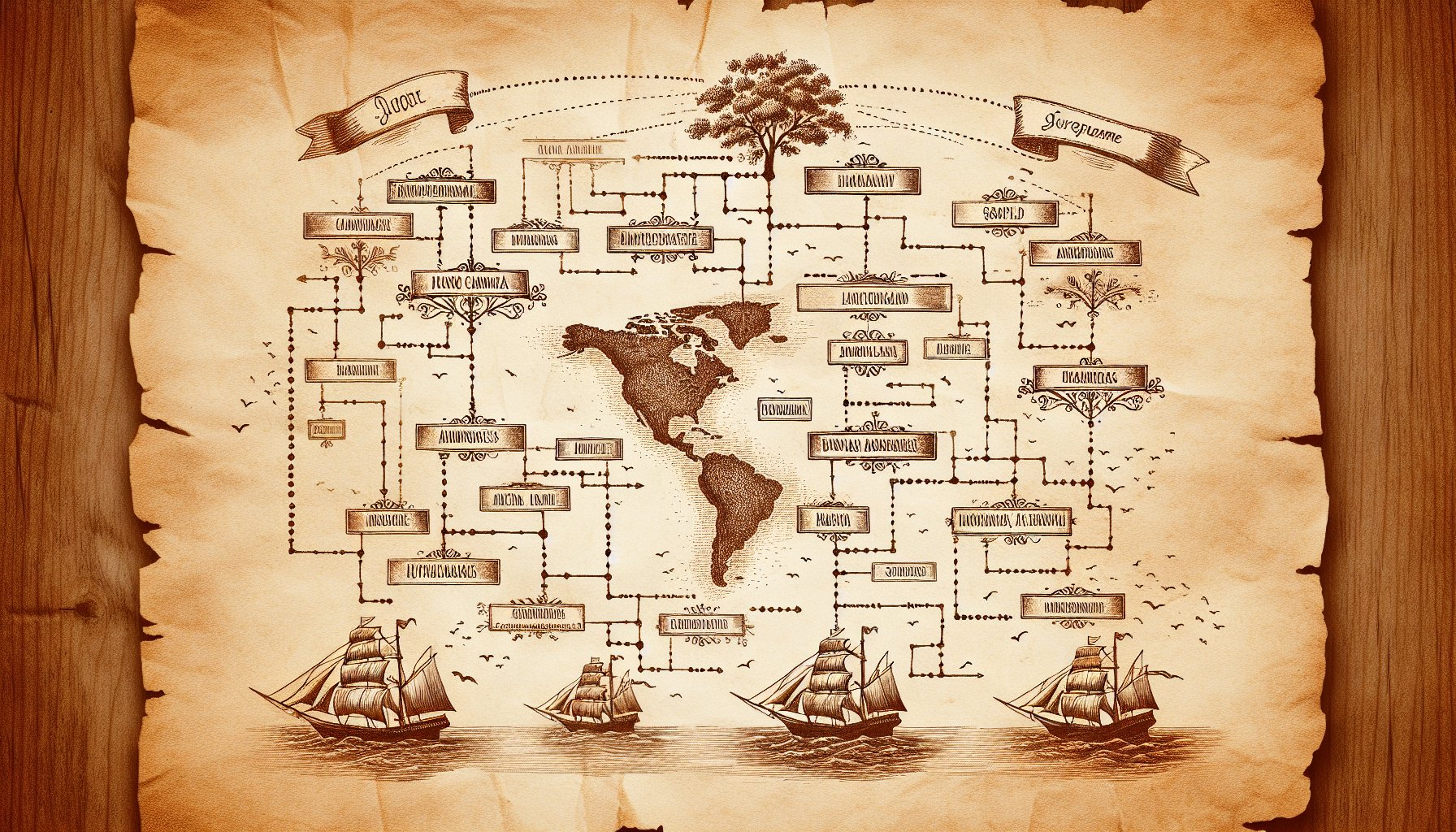
A surname search represents the foundational step in genealogical research, opening doors to centuries of family history waiting to be explored. When you embark on a surname search, you’re essentially beginning a journey that can reveal migration patterns, occupational traditions, and cultural connections that shaped your ancestors’ lives. This comprehensive approach to family name research goes far beyond simply looking up a name in a database—it involves understanding the historical context, linguistic evolution, and geographical distribution of your family name across different time periods and regions.
The modern surname search utility has revolutionized how we approach genealogical research, providing unprecedented access to historical records, census data, and immigration documents. Unlike traditional methods that required visits to local archives and libraries, today’s digital tools allow researchers to conduct extensive last name searches from their homes. These platforms aggregate millions of records from various sources, including church registers, military records, passenger manifests, and civil registration documents, creating a comprehensive network of interconnected family histories that can reveal surprising connections and previously unknown branches of your family tree.
Types of Surname Search Methods and Resources
Effective family name search strategies employ multiple methodologies to ensure comprehensive coverage of available historical records. The most productive approach combines online database searches with traditional archival research, creating a multi-layered investigation that can uncover records missed by single-source searches. Online genealogy platforms like FamilySearch, Ancestry, and MyHeritage offer vast collections of digitized records, while specialized surname databases provide detailed etymological information and geographical distribution data. These resources work synergistically, with each platform offering unique collections and search capabilities that complement the others.
Regional and ethnic-specific surname search tools provide targeted results for researchers investigating particular cultural backgrounds. For instance, Irish surname databases excel at tracking Gaelic naming patterns and clan affiliations, while Germanic surname resources focus on occupational and geographical naming conventions. Immigration-focused search tools specialize in passenger lists and naturalization records, proving invaluable for tracing ancestors who crossed international borders. Professional genealogists often recommend beginning with broad searches across multiple platforms before narrowing focus to specialized resources that align with your family’s known or suspected origins.

Free vs. Premium Surname Search Platforms
Free surname search options provide substantial value for beginning genealogists, with platforms like FamilySearch offering millions of records without subscription fees. These free resources include census records, birth and death certificates, marriage licenses, and immigration documents spanning multiple centuries and countries. Government archives, university libraries, and historical societies also maintain online collections accessible to the public, though these may require more specialized search techniques. While free platforms may have limitations in terms of search functionality or record completeness, they often contain unique collections unavailable elsewhere, making them essential components of any comprehensive surname search strategy.
Advanced Search Techniques for Better Results
Sophisticated surname search techniques involve understanding historical spelling variations, phonetic similarities, and cultural naming practices that can significantly impact search results. Many surnames underwent spelling changes due to immigration processing, literacy levels, or deliberate anglicization, requiring researchers to consider multiple variations when conducting searches. Soundex codes and phonetic matching algorithms help identify records where names may have been transcribed differently, while wildcard searches allow for partial matches when exact spellings are uncertain. Professional genealogists recommend creating comprehensive lists of potential spelling variations before beginning systematic searches across multiple databases and time periods.
Decoding Surname Origins and Meanings
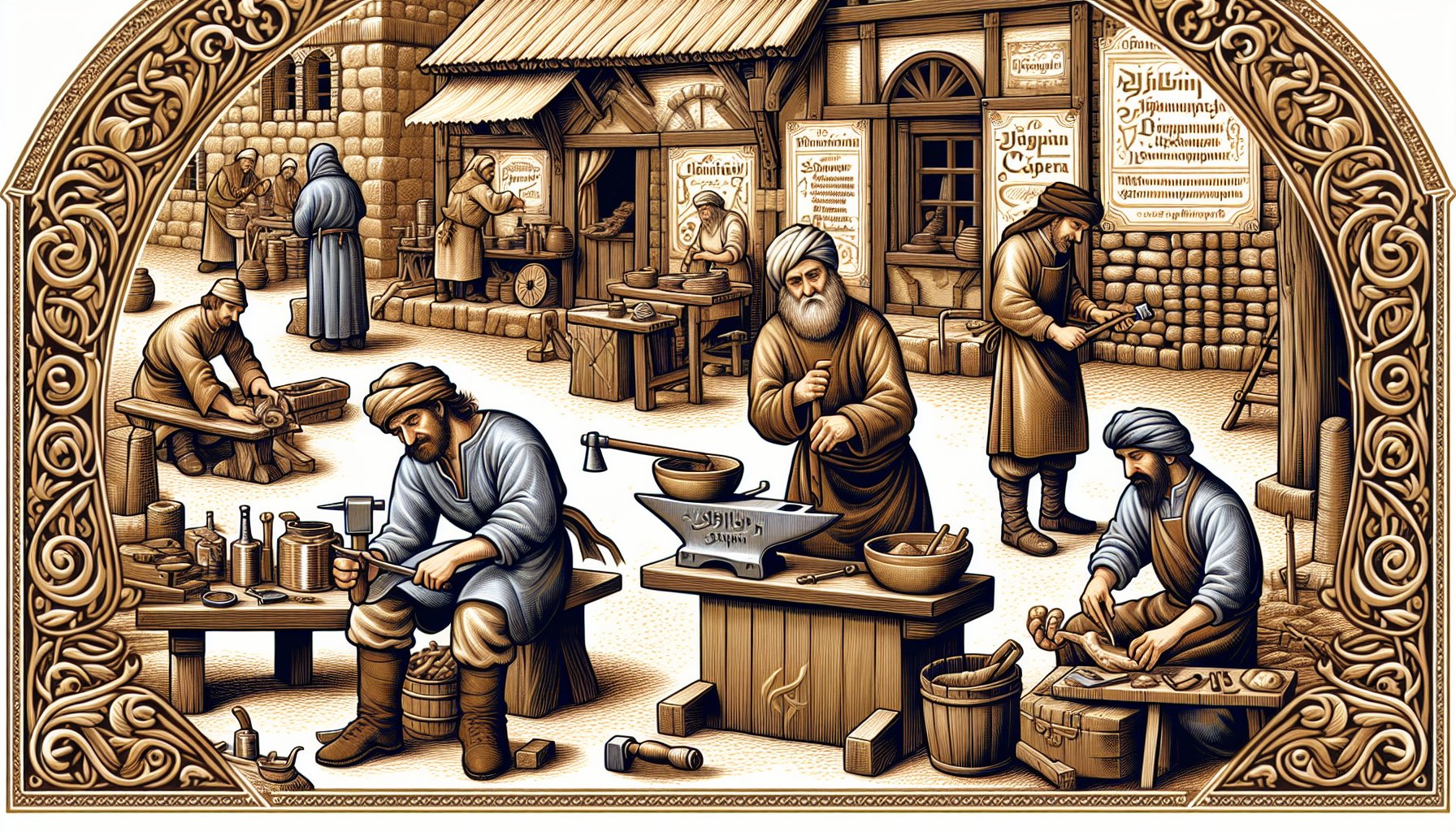
Surname origins reveal fascinating insights into ancestral occupations, geographical locations, and social structures that defined historical communities. Occupational surnames like Smith, Baker, or Carpenter directly indicate ancestral professions, while patronymic surnames such as Johnson, MacDonald, or O’Brien reflect naming patterns based on paternal lineage. Geographical surnames often reference specific locations, natural features, or regional characteristics where families originated, providing valuable clues for targeted historical research. Understanding these naming conventions helps researchers develop more effective search strategies and interpret historical records within their proper cultural contexts.
Etymology plays a crucial role in effective surname search methodology, as understanding linguistic roots can reveal unexpected connections and alternative spellings. Many surnames evolved through multiple languages as families migrated across regions, with names adapting to local pronunciation patterns and writing systems. For example, Germanic surnames may have French or English variations, while Slavic names often underwent significant changes when families immigrated to English-speaking countries. Etymological research helps identify these linguistic transformations, enabling researchers to cast wider nets when searching historical records and potentially uncovering previously missed family connections.
Regional Surname Patterns and Distribution
Geographical surname distribution patterns provide valuable insights into migration routes, settlement patterns, and historical population movements that shaped family histories. Surname mapping tools reveal concentrations of specific names in particular regions, often indicating areas where families established roots over multiple generations. These distribution patterns can guide researchers toward productive archival sources and help identify potential family connections in unexpected locations. Understanding regional naming conventions also helps researchers recognize when surnames may have been adapted to local customs or when families may have adopted entirely new names upon settling in different areas.
Building Effective Surname Search Strategies
Systematic surname search approaches require careful planning and methodical execution to maximize research efficiency and minimize overlooked records. Successful strategies begin with comprehensive documentation of known family information, including approximate dates, locations, and any existing family stories or traditions. This foundation enables researchers to develop targeted search parameters while maintaining flexibility for unexpected discoveries. Professional genealogists recommend creating detailed research logs that track searched databases, time periods covered, and results obtained, preventing duplication of effort and ensuring systematic coverage of available resources.
Collaborative surname search efforts often yield superior results compared to individual research, as multiple researchers can share resources, expertise, and discoveries. Online surname forums, genealogy societies, and DNA matching platforms connect researchers investigating common family names, creating opportunities for information exchange and mutual assistance. These collaborative networks often maintain shared databases of family information, photographs, and documents that individual researchers might never access independently. Participating in surname-specific research groups can accelerate progress significantly, particularly for less common names or families with complex migration histories.
Documenting and Organizing Search Results
Effective organization of surname search results requires systematic documentation methods that facilitate future research and enable other family members to build upon your discoveries. Digital filing systems should include standardized naming conventions for documents, photographs, and research notes, while backup procedures protect valuable findings from loss. Professional genealogy software programs offer sophisticated organizational tools, but simple spreadsheets and folder structures can also provide effective management systems. The key lies in consistency and thoroughness, ensuring that every piece of information includes proper source citations and contextual notes that will remain meaningful years later.
Common Challenges in Surname Search Research
Surname search obstacles frequently include incomplete records, spelling variations, and name changes that can obscure family connections across generations. Historical events such as wars, natural disasters, and political upheavals often resulted in record destruction or displacement, creating gaps in available documentation. Immigration processes sometimes involved deliberate name changes for practical or social reasons, while clerical errors in record-keeping introduced additional spelling variations. Successful researchers anticipate these challenges and develop flexible search strategies that account for multiple possibilities while maintaining focus on verifiable evidence.
Cultural and linguistic barriers present additional complexities in international surname search efforts, particularly when researching families that crossed multiple national boundaries. Different countries maintain varying record-keeping traditions, access policies, and digitization priorities, requiring researchers to adapt their methods accordingly. Language barriers can complicate direct communication with foreign archives, while cultural naming practices may differ significantly from familiar patterns. Professional translation services and collaboration with local researchers often prove essential for accessing foreign records and interpreting historical documents accurately.
Overcoming Dead Ends and Brick Walls
Genealogical brick walls require creative problem-solving approaches that combine traditional research methods with innovative search techniques. When direct surname searches fail to produce results, researchers often find success through collateral research, investigating siblings, neighbors, and associates who may appear in records alongside target ancestors. DNA testing has revolutionized brick wall resolution by identifying genetic cousins who may possess family information or documents unavailable through traditional sources. Professional genealogists recommend stepping back from problematic searches periodically, allowing time for new records to be digitized or alternative research approaches to emerge.
Frequently Asked Questions
What is the most common surname in the world?
Wang is considered the most common surname globally, with over 100 million people bearing this Chinese family name. In English-speaking countries, Smith ranks as the most prevalent surname, while regional variations exist across different cultures and languages.
How do I find the origin of my last name?
Start with etymological dictionaries and surname databases that explain name meanings and origins. Combine this with geographical research to identify regions where your surname appears most frequently, then search historical records from those areas to trace your specific family line.
What is the difference between a surname and a family name?
Surname and family name are essentially synonymous terms referring to the hereditary name passed down through generations. Some cultures use ‘family name’ more commonly, while others prefer ‘surname,’ but both terms describe the same genealogical concept.
How do I trace my family surname history?
Begin with known family information, then systematically search genealogy databases, census records, and immigration documents. Use multiple spelling variations and combine online research with local archive investigations for comprehensive surname tracing.
Why do some cultures put the surname first?
Many East Asian cultures traditionally place the family name before the given name to emphasize family lineage and social hierarchy. This practice reflects cultural values that prioritize collective family identity over individual identity in naming conventions.
Ready to Begin Your Surname Search Journey?
Your family history awaits exploration through systematic surname research and genealogical investigation. Professional genealogy consultation can accelerate your research progress, help overcome challenging brick walls, and ensure you’re utilizing the most effective search strategies for your specific family name. Contact our experienced genealogy team to develop a personalized research plan that maximizes your chances of meaningful family discoveries while avoiding common pitfalls that can waste valuable time and resources.