

The Nguyen Surname Origin: From Royal Dynasty to Common Name
The Nguyen surname origin traces back to one of Vietnam’s most powerful royal dynasties, yet today it represents nearly 40% of all Vietnamese family names worldwide. This remarkable transformation from exclusive royal lineage to widespread adoption tells a compelling story of Vietnamese history, politics, and cultural survival. The name Nguyen (阮) originally belonged to the ruling Nguyen Dynasty, which governed Vietnam from 1802 to 1945, making it the country’s last imperial dynasty. Understanding this surname’s journey from palace halls to everyday households reveals crucial insights into Vietnamese social structures, colonial influences, and the complex relationship between power and identity in Southeast Asian culture.
What makes the Nguyen surname origin particularly fascinating is how a single family name came to dominate an entire nation’s demographic landscape. Unlike Western naming patterns where surnames typically spread through geographic regions or occupational groups, the Nguyen name’s proliferation followed unique historical pathways tied directly to political upheaval, social mobility, and survival strategies. The concentration of this surname in Vietnam far exceeds similar patterns found anywhere else in the world, creating a genealogical puzzle that researchers and family historians continue to study. This widespread adoption wasn’t accidental but resulted from specific historical events that encouraged or sometimes forced Vietnamese families to adopt the Nguyen name for protection, advancement, or simple survival during turbulent periods.
The Nguyen Dynasty’s Rise to Power
The Nguyen Dynasty’s establishment in 1802 marked the beginning of Vietnam’s modern unified state under Emperor Gia Long, born Nguyen Phuc Anh. This royal house emerged from centuries of regional conflicts, eventually consolidating control over both northern and southern Vietnamese territories. The dynasty’s founders traced their lineage back to the 16th century, when Nguyen Kim established the family’s political influence in central Vietnam. Through strategic marriages, military campaigns, and diplomatic alliances, the Nguyen family gradually expanded their territorial control, ultimately creating the foundation for Vietnam’s last imperial government. Their success in unifying the country under a single ruler created unprecedented opportunities for the Nguyen name to gain prestige and recognition throughout Vietnamese society.
Why So Many Vietnamese People Share the Nguyen Name
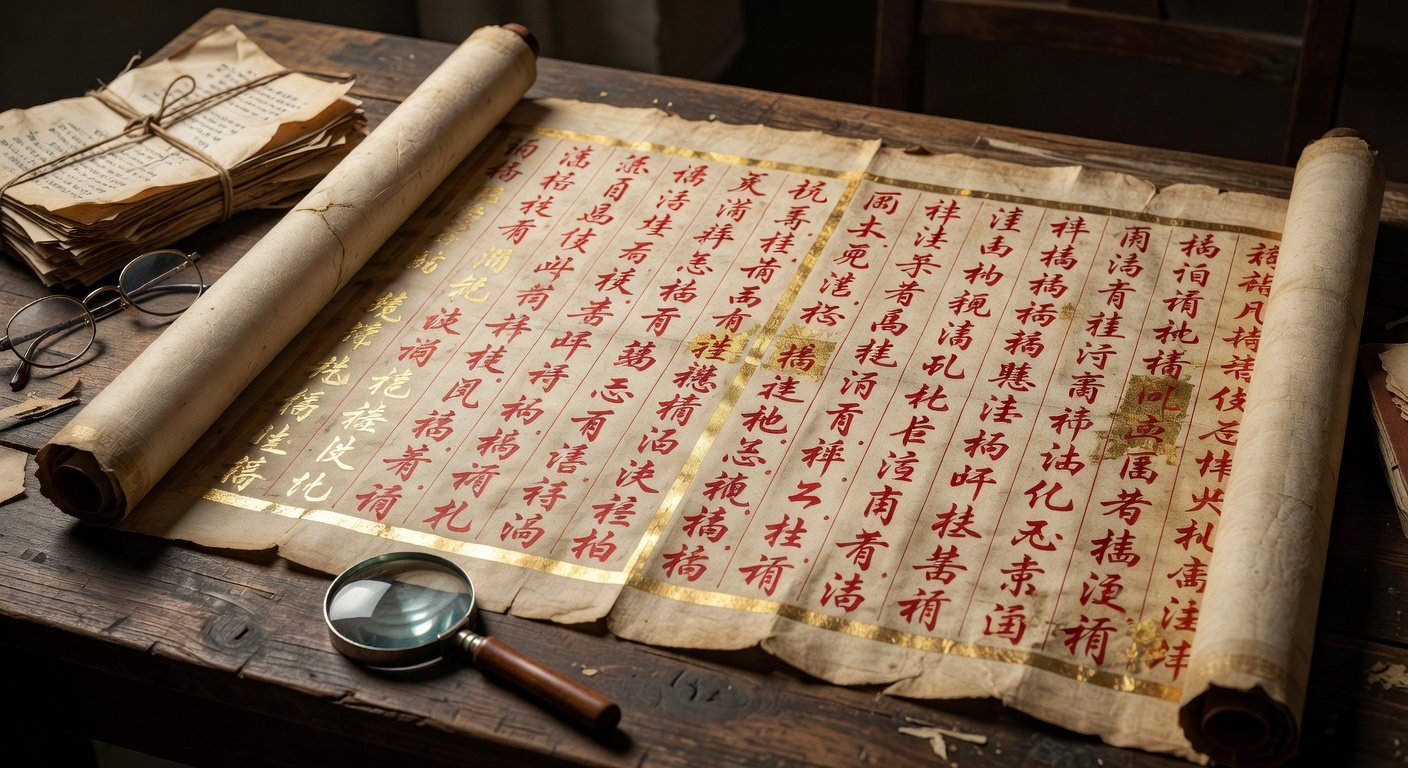
The widespread adoption of the Nguyen surname origin stems from several interconnected historical phenomena that created powerful incentives for Vietnamese families to change their names. During the Nguyen Dynasty’s reign, adopting the royal family name offered significant social and economic advantages, including preferential treatment in government positions, business opportunities, and legal proceedings. Many families voluntarily changed their surnames to Nguyen to align themselves with the ruling power and improve their social standing. Additionally, the dynasty’s administrative policies sometimes encouraged or required certain groups to adopt standardized names for record-keeping purposes, contributing to the surname’s proliferation across different regions and social classes.
Colonial period influences further accelerated the Nguyen name’s spread throughout Vietnamese society. French colonial administrators, seeking to simplify bureaucratic processes, often encouraged Vietnamese citizens to adopt common surnames that were easier to record and track in official documents. The Nguyen name, already familiar to French officials due to the royal dynasty’s prominence, became a convenient choice for families navigating colonial administrative requirements. Furthermore, during periods of political persecution or social upheaval, adopting the Nguyen surname provided a form of protective camouflage, allowing families to blend into the larger population and avoid unwanted attention from authorities. These practical considerations, combined with the name’s prestigious associations, created a perfect storm for widespread adoption.
Regional Variations and Pronunciation Differences
While the Nguyen surname origin remains consistent across Vietnam, regional pronunciations and cultural interpretations vary significantly throughout the country. In northern Vietnam, the name typically carries a rising tone that sounds like “NGOO-yen,” while southern Vietnamese speakers often use a different tonal pattern that emphasizes the first syllable. These pronunciation differences reflect Vietnam’s complex linguistic landscape, where regional dialects have preserved distinct characteristics despite centuries of political unification. Understanding these variations becomes crucial for genealogical researchers attempting to trace family connections across different Vietnamese regions, as pronunciation patterns can provide valuable clues about ancestral geographic origins and migration patterns within Vietnam.
Researching Your Nguyen Family History
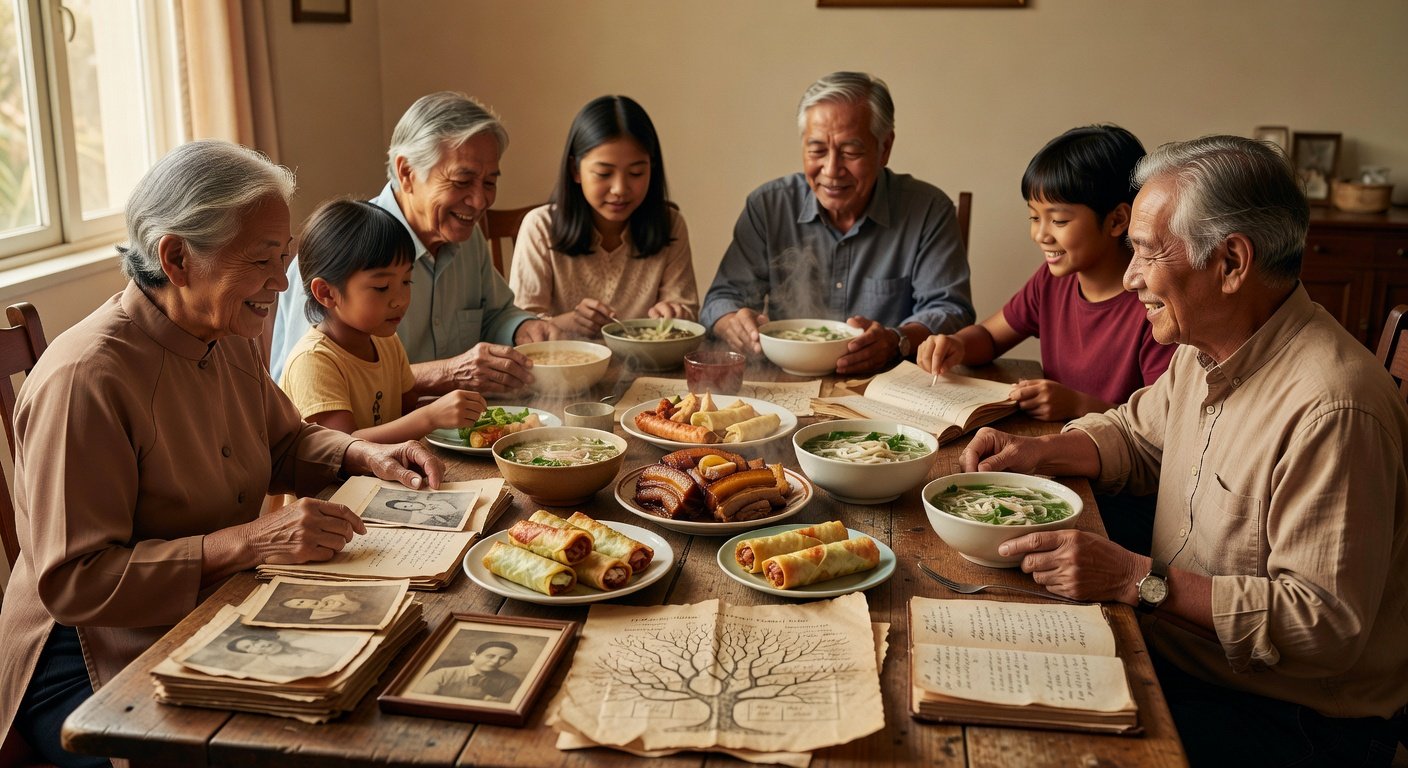
Tracing Nguyen surname origin within your own family tree presents unique challenges due to the name’s overwhelming prevalence in Vietnamese genealogical records. Traditional Vietnamese genealogy relies heavily on ancestral tablets, family chronicles, and village records that often predate the widespread adoption of the Nguyen name. Successful research typically requires focusing on specific geographic regions, time periods, and complementary family names that can help distinguish between different Nguyen lineages. Many Vietnamese families maintained detailed genealogical records called “gia phả” that trace family connections through multiple generations, though these documents may use different naming conventions or include alternative surnames that were used before the Nguyen adoption.
Modern genealogical research tools offer new opportunities for Nguyen family historians, though they require careful interpretation and cross-referencing with traditional Vietnamese sources. DNA testing can provide valuable insights into geographic origins and potential family connections, particularly when combined with historical migration patterns and regional settlement data. However, researchers should approach genetic genealogy results with caution, as the Nguyen name’s widespread adoption means that shared surnames don’t necessarily indicate close family relationships. The most effective research strategies combine multiple approaches: oral family histories, traditional Vietnamese genealogical methods, modern DNA analysis, and careful study of historical records from specific regions and time periods.
Essential Resources for Vietnamese Genealogy
Vietnamese genealogical research requires specialized resources and cultural knowledge that differ significantly from Western family history methods. The Vietnam National Archives maintains extensive collections of imperial records, colonial documents, and modern administrative files that can provide crucial information about Nguyen families throughout different historical periods. Local village records, temple registrations, and Buddhist monastery archives often contain detailed family information that predates official government documentation. Many Vietnamese communities worldwide have established cultural organizations and genealogical societies that preserve traditional family records and provide research assistance for diaspora families seeking to reconnect with their ancestral roots.
The Nguyen Name in Vietnamese Diaspora Communities
Vietnamese immigration patterns following the Vietnam War created global communities where the Nguyen surname origin continues to play important cultural and social roles. In countries like the United States, Canada, Australia, and France, Vietnamese immigrants often maintained strong connections to their ancestral naming traditions while adapting to new cultural environments. Many families chose to preserve the Nguyen surname as a link to their Vietnamese heritage, even when faced with pronunciation challenges or administrative difficulties in their new countries. These diaspora communities have developed innovative approaches to maintaining genealogical connections, including digital archives, cultural festivals, and family reunion networks that span multiple continents.
The preservation of Nguyen family histories within diaspora communities has created valuable resources for genealogical research that complement traditional Vietnamese sources. Vietnamese-American organizations, cultural centers, and religious institutions often maintain extensive records of community members, including family histories, immigration documents, and cultural artifacts that provide insights into specific family lineages. These community-based resources become particularly important for second and third-generation Vietnamese descendants who may lack direct access to traditional Vietnamese genealogical sources but want to understand their family’s connection to the broader Nguyen surname origin story.
Frequently Asked Questions
Why is Nguyen such a common surname in Vietnam?
The Nguyen surname became widespread due to the Nguyen Dynasty’s political influence from 1802-1945. Many families adopted the royal name for social advancement, while colonial administrators encouraged its use for bureaucratic simplicity. Political persecution also drove families to adopt the common name for protection.
How do you properly pronounce the Nguyen surname?
Nguyen pronunciation varies by region in Vietnam. Northern Vietnamese typically pronounce it as “NGOO-yen” with a rising tone, while southern speakers use different tonal patterns. The “Ng” sound is similar to the ending of “sing” but at the beginning of the word.
Can DNA testing help distinguish between different Nguyen families?
DNA testing can provide geographic origin insights and potential family connections, but shared Nguyen surnames don’t necessarily indicate close relationships due to widespread adoption. Genetic genealogy works best when combined with traditional Vietnamese records and regional migration patterns.
What records are most useful for researching Nguyen ancestry?
Vietnamese genealogy relies on ancestral tablets (gia phả), village records, temple registrations, and family chronicles. The Vietnam National Archives, local monastery records, and diaspora community organizations also maintain valuable genealogical resources for Nguyen family research.
Did all Vietnamese families originally have different surnames before adopting Nguyen?
Not all families changed their names to Nguyen. Some families had legitimate ancestral connections to the royal dynasty, while others adopted the name for social or political reasons. Many Vietnamese families maintained their original surnames alongside or instead of Nguyen.
Ready to Trace Your Nguyen Family History?
Researching Vietnamese ancestry requires specialized knowledge and access to unique cultural resources. Our genealogy experts understand the complexities of Nguyen surname research and can help you navigate traditional Vietnamese records, diaspora community archives, and modern DNA analysis to build your family tree. Contact us today to begin your journey into Vietnamese genealogical discovery.