
Understanding Japanese Surname Meaning Through Kanji Characters
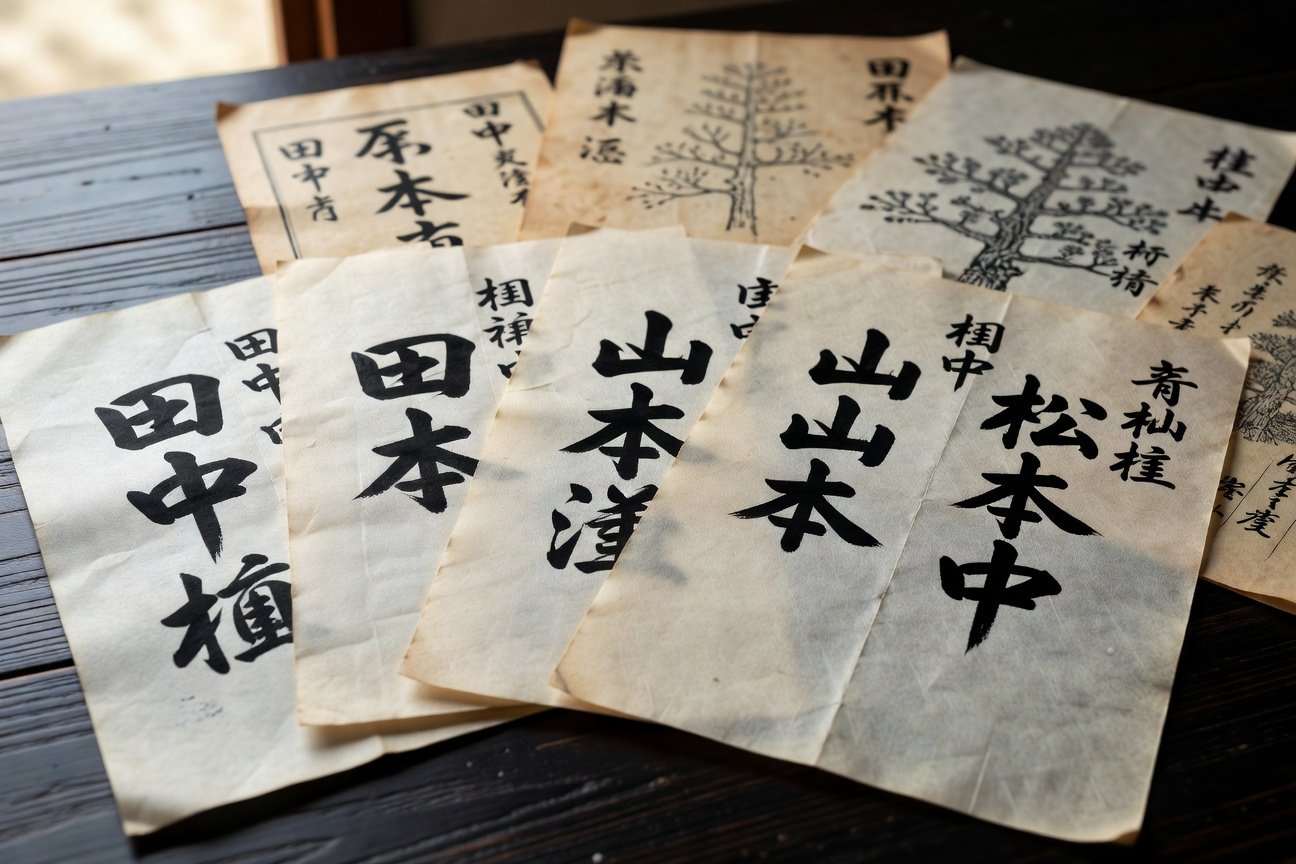
Japanese surname meaning stems from a complex writing system that combines kanji characters, each carrying specific meanings and pronunciations. Unlike Western naming conventions, Japanese surnames often paint vivid pictures of natural landscapes, occupations, or ancestral homes through their constituent characters. The kanji system, borrowed from Chinese centuries ago, allows for multiple readings of the same characters, creating layers of meaning within a single family name. This linguistic richness means that understanding japanese surname meaning requires knowledge of both the individual kanji components and their historical context. Many surnames contain characters representing elements like mountain (山), rice field (田), tree (木), or village (村), reflecting Japan’s agricultural heritage and reverence for nature.
The pronunciation of Japanese surnames can vary significantly even when written with identical kanji, adding complexity to genealogical research. For instance, the characters 中村 can be read as Nakamura or Nakanomura, depending on regional dialects and family traditions. This variation in pronunciation, called kun-yomi and on-yomi readings, reflects the layered adoption of Chinese characters into Japanese language over centuries. Modern Japanese families often maintain traditional pronunciations passed down through generations, even when alternative readings might seem more logical. Understanding these pronunciation patterns becomes crucial when researching japanese surname meaning, as historical records might list the same family under different phonetic spellings while maintaining consistent kanji representations.
Common Kanji Elements in Japanese Family Names
The most frequently appearing kanji in Japanese surnames reveal the cultural values and environmental influences that shaped naming traditions. Characters like 田 (ta/da, meaning rice field) appear in roughly 15% of all Japanese surnames, including popular names like Tanaka, Yamada, and Matsuda. Mountain-related characters such as 山 (yama/san) feature prominently in surnames like Yamamoto, Yamazaki, and Takayama, reflecting Japan’s mountainous geography. Water-related elements including 川 (kawa/gawa, meaning river) and 井 (i, meaning well) appear in surnames like Kawasaki, Ishikawa, and Matsui. These natural elements often combine with directional indicators like 東 (higashi, east), 西 (nishi, west), 南 (minami, south), and 北 (kita, north) to create surnames that literally describe geographic locations or orientations relative to natural landmarks.
Geographic Origins and Regional Patterns in Japanese Surname Meaning
Japanese surnames often serve as geographic markers, encoding information about ancestral villages, regions, or natural features that defined family origins. Many surnames directly reference specific locations, such as Osaka (大阪), Kyoto (京都), or Hiroshima (広島), indicating families that either originated from or held significant connections to these areas. Regional surname patterns reveal historical migration routes and settlement patterns across Japan’s islands. For example, surnames containing 沖 (oki, meaning open sea) are more common in coastal regions, while those incorporating 谷 (tani/ya, meaning valley) appear frequently in mountainous inland areas. The distribution of specific surnames across modern Japan often mirrors ancient clan territories and feudal domain boundaries, providing genealogists with valuable clues about family origins.
The Meiji Restoration of 1868 fundamentally changed Japanese naming practices, as commoners were required to adopt permanent surnames for the first time in Japanese history. Prior to this period, only samurai families and nobility possessed hereditary surnames, while common people used descriptive names or were identified by their village or occupation. This mass adoption of surnames led many families to choose names reflecting their immediate environment, occupation, or aspirational qualities. Geographic surnames became particularly popular during this period, as families sought names that connected them to specific places or natural features. Understanding this historical context helps explain why certain japanese surname meaning patterns appear so frequently in modern Japan, as millions of families simultaneously chose surnames based on similar geographic and cultural references.
Regional Surname Concentrations and Migration Patterns
Analyzing surname distribution across Japan’s prefectures reveals fascinating patterns of historical migration and regional identity. Surnames like Suzuki show heavy concentration in eastern Japan, particularly in the Kanto region, while Tanaka appears more evenly distributed but with notable concentrations in western Japan. The surname Sato, Japan’s most common family name, demonstrates interesting regional variations in pronunciation and kanji usage, with some areas favoring 佐藤 while others use 砂糖 or alternative character combinations. These distribution patterns often correlate with historical events such as the movement of samurai families during the Sengoku period, agricultural migrations following natural disasters, or economic opportunities during Japan’s rapid industrialization. Modern surname mapping projects have revealed that certain rare surnames remain concentrated in specific valleys or islands, suggesting minimal migration from ancestral homelands over centuries.
Occupational and Social Class Origins in Japanese Surname Meaning
Many Japanese surnames encode information about ancestral occupations, social status, or roles within traditional Japanese society. Surnames containing 田 (ta, rice field) often indicate agricultural backgrounds, while those incorporating 工 (ko, craftsman) or 匠 (takumi, artisan) suggest artisanal traditions. Military-related surnames include characters like 武 (bu/take, warrior), 兵 (hei, soldier), or 戦 (sen, battle), frequently associated with samurai lineages. Religious occupations appear in surnames containing 寺 (tera, temple), 神 (kami/jin, god), or 僧 (so, monk), indicating families connected to Buddhist temples or Shinto shrines. Merchant families often adopted surnames reflecting their trade goods or business locations, using characters related to specific commodities or market towns. These occupational indicators in japanese surname meaning provide valuable insights into family histories and social mobility patterns across Japanese history.
The relationship between surname and social class in historical Japan created distinct naming patterns that persist today. Samurai families typically possessed surnames with prestigious characters or references to famous battles, ancestral domains, or imperial connections. These elite surnames often incorporated characters like 藤 (fuji, wisteria), associated with the powerful Fujiwara clan, or 源 (gen/minamoto) and 平 (hei/taira), referencing major warrior clans. Merchant families frequently chose surnames related to prosperity, such as 富 (tomi, wealth) or 金 (kane/kin, gold), while artisan families selected names reflecting their specific crafts or tools. Agricultural families commonly adopted surnames describing their farming environment or crops, creating the abundance of rice field and mountain-related names seen today. Understanding these class-based naming conventions helps genealogists interpret the social context embedded within japanese surname meaning and trace family histories across different social strata.
Samurai Clan Names and Their Modern Descendants
Samurai clan surnames carry particular historical weight and often indicate descent from influential military families that shaped Japanese history. Famous clan names like Minamoto (源), Taira (平), Fujiwara (藤原), and Tachibana (橘) represent the four great clans that dominated Japanese politics during the Heian period. Modern descendants of these clans may carry abbreviated versions of these surnames or branch family names that incorporate key characters from the original clan designation. For example, many surnames beginning with 藤 (fuji) potentially trace back to the Fujiwara clan, including Fujita, Fujimoto, and Fujiwara itself. Similarly, surnames containing 源 (gen) or 平 (hei) may indicate Minamoto or Taira ancestry, though genealogical verification requires careful research into family records and historical documentation. These prestigious surnames often maintained detailed genealogical records, making them easier to trace than commoner lineages.
Researching Your Japanese Surname Meaning and Family History
Investigating japanese surname meaning requires a systematic approach combining linguistic analysis, historical research, and genealogical documentation. Begin by identifying the correct kanji characters for your surname, as romanized versions may not accurately reflect the original Japanese writing. Online kanji dictionaries and surname databases can help determine the individual meanings of each character and common interpretations of the complete name. Historical records such as family registers (koseki), temple records (kakochō), and local histories often contain valuable information about surname origins and family migrations. Japanese genealogical societies and local history museums frequently maintain surname databases and can provide guidance on regional naming patterns. Professional genealogists specializing in Japanese family history can assist with complex research challenges, particularly when dealing with historical documents written in classical Japanese or variant kanji forms.
Modern technology has revolutionized japanese surname meaning research through digital databases and online collaboration platforms. Websites like MyHeritage, Ancestry.com, and FamilySearch now include extensive Japanese records, though coverage varies by region and time period. Japanese-specific resources such as the National Archives of Japan’s digital collections and prefectural historical databases provide access to primary source materials. DNA testing combined with surname research can help identify potential relatives and confirm family connections across generations. Social media groups and online forums dedicated to Japanese genealogy offer opportunities to connect with other researchers and share information about specific surnames or regions. When conducting research, maintain detailed records of sources and findings, as Japanese genealogical research often requires piecing together information from multiple fragmentary sources to build comprehensive family histories.

Essential Resources for Japanese Genealogical Research
Successful japanese surname meaning research requires familiarity with specialized databases and archival collections both in Japan and internationally. The Japan Center for Asian Historical Records provides digitized access to government documents, military records, and administrative files dating back centuries. Local city halls (shiyakusho) maintain family registers that may contain surname adoption records and family relationship documentation. Buddhist temples often preserve death registers and memorial records that include surname information and family connections. University libraries with East Asian collections frequently house rare surname dictionaries and regional histories that provide detailed etymological information. International resources include the Japanese American National Museum’s genealogy collection and the Mormon Church’s extensive Japanese records collection, both accessible through FamilySearch. Professional associations like the Japan Society of Genealogy offer training programs and certification for researchers specializing in Japanese family history.
Frequently Asked Questions
How do I find the correct kanji for my Japanese surname?
Start with family documents, immigration records, or older relatives who may know the original kanji. Online databases like JapanDict or Tangorin can help match romanized spellings to kanji characters. If multiple kanji combinations exist for your surname pronunciation, research your family’s geographic origins to narrow possibilities.
Why do some Japanese surnames have multiple pronunciations?
Japanese kanji characters have both Chinese-derived (on-yomi) and native Japanese (kun-yomi) readings. Regional dialects, historical changes, and family traditions all influence pronunciation. The same kanji combination may be pronounced differently by different families, even when the meaning remains consistent.
What does it mean if my Japanese surname contains mountain or rice field characters?
Surnames with mountain (山) or rice field (田) characters typically indicate geographic origins or ancestral occupations. Mountain surnames often reference specific peaks or mountainous regions where families originated. Rice field surnames usually indicate agricultural backgrounds or residence near farming areas.
Can I trace my Japanese ancestry without knowing kanji?
Yes, but learning basic kanji significantly improves research effectiveness. Start with romanized records and gradually learn the kanji associated with your surname. Many genealogical databases offer both romanized and kanji search options, and translation tools can help with document interpretation.
Are there professional services for Japanese genealogy research?
Professional Japanese genealogists can assist with complex research, document translation, and accessing Japanese archives. Services range from surname meaning analysis to comprehensive family tree construction. Costs vary based on research scope and document complexity, but professional help often proves valuable for challenging cases.
Ready to Explore Your Japanese Family History?
Understanding your Japanese surname meaning opens doors to centuries of family history and cultural heritage. Whether you’re just beginning your genealogical journey or seeking to expand existing research, our comprehensive surname analysis services can help uncover the stories behind your family name. Contact our genealogy experts today to start your personalized Japanese ancestry research and connect with your ancestral roots.