
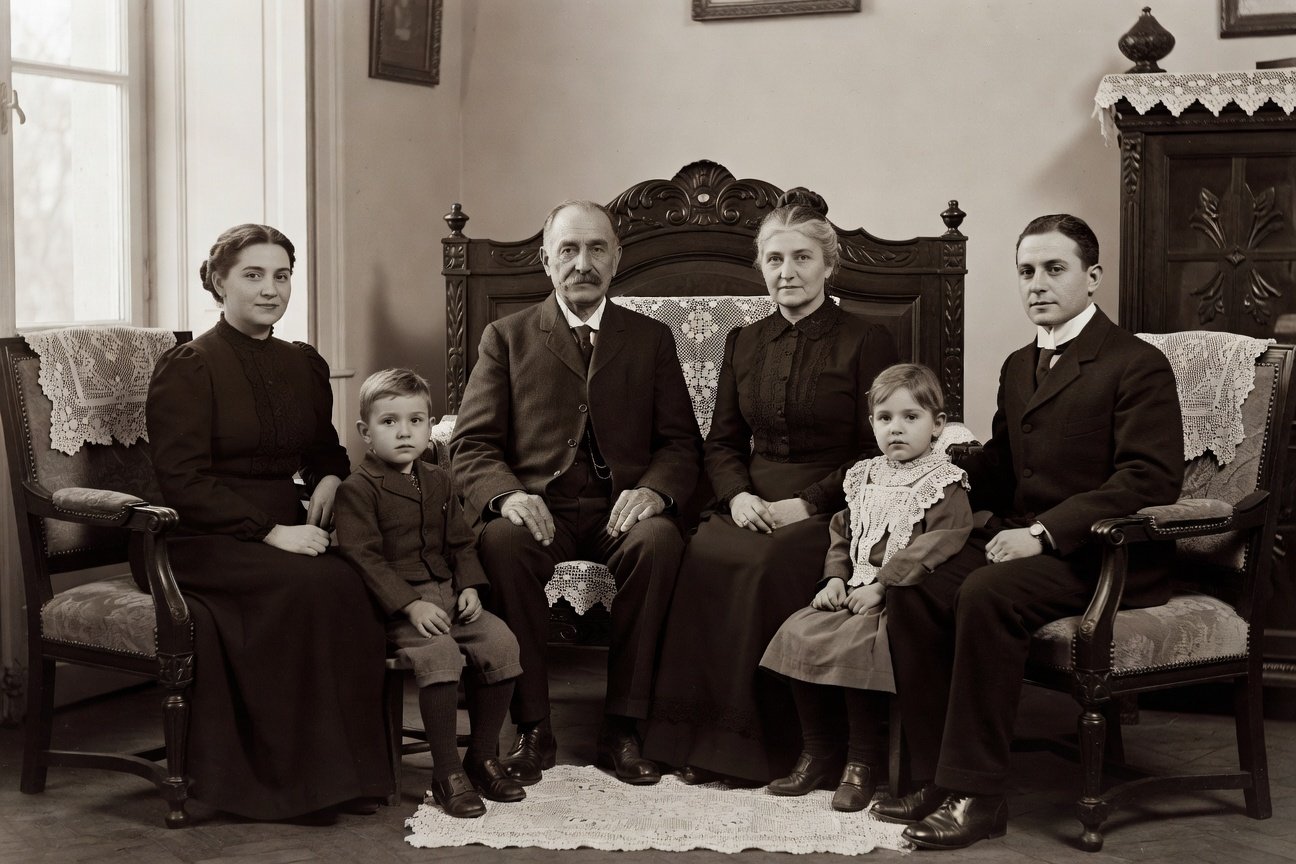
Understanding Italian Last Names Origin and Structure
Italian surnames carry centuries of history, geography, and cultural identity within their linguistic structures. Unlike many European naming traditions, Italian last names origin reflects a unique blend of Latin roots, regional dialects, and occupational heritage that developed across the Italian peninsula. The study of Italian surnames provides genealogists and family historians with invaluable clues about ancestral locations, social status, and occupational backgrounds. Most Italian surnames evolved during the Middle Ages when populations grew and communities needed systematic ways to distinguish individuals sharing the same given name. Understanding the patterns and conventions of Italian naming practices opens doors to deeper genealogical research and family connections. The structure of Italian surnames often reveals information about your ancestors’ lives, including where they lived, what they did for work, and their family relationships across generations.
The formation of Italian last names origin is intrinsically tied to the development of Italian city-states and regional kingdoms throughout medieval and Renaissance periods. Southern Italy, Northern Italy, and the central regions each developed distinct naming conventions that persist in modern surname distributions. Geographic isolation between regions meant that certain surnames became concentrated in specific areas, making location-based research particularly effective for Italian ancestry tracing. The influence of Norman, Spanish, French, and Germanic invasions also left linguistic marks on Italian surnames, creating fascinating etymological layers. Studying these regional patterns helps researchers narrow their ancestral searches and understand migration patterns within Italy and to other countries. The complexity of Italian surname evolution makes it essential to approach research with both linguistic knowledge and historical context about the specific regions where your ancestors lived.
Common Suffixes in Italian Last Names
Italian surnames follow predictable patterns through common suffixes that indicate occupational roles, geographic origins, or family relationships. The suffix ‘-i’ appears frequently in Italian surnames and often indicates plural forms or patronymic descent, as seen in names like Rossi (red) or Bianchi (white). The ‘-ello’ and ‘-illo’ diminutive suffixes suggest small size or endearment, commonly found in surnames like Antonello or Brunello. The ‘-azzo’ suffix typically carries a pejorative or augmentative meaning, appearing in names like Terrazzo. The ‘-ino’ suffix functions as a diminutive, creating surnames like Valentino or Bernardino. Understanding these suffixes provides immediate insight into the meaning and origin of Italian surnames, making research more efficient. Recognizing suffix patterns also helps identify variant spellings and regional adaptations of the same family name across different Italian territories.
Occupational and Descriptive Italian Surnames
Many Italian surnames directly reference occupations, physical characteristics, or personal qualities of ancestors, providing clear windows into medieval Italian society. Occupational surnames like Ferrari (blacksmith), Macellaio (butcher), Muller (miller), and Panettiere (baker) indicate the trades your ancestors practiced. Descriptive surnames such as Rossi (red-haired), Bianchi (white or pale), Neri (black), and Bassi (short) reference physical appearance or distinguishing features. Surnames derived from animals include Gallo (rooster), Lupo (wolf), and Orsini (bear), often indicating family crests or heraldic symbols. Geographic descriptors like Di Luca (from Luca) or Da Roma (from Rome) directly reference ancestral origins within Italy. These transparent surname meanings make Italian genealogy particularly accessible to researchers without extensive linguistic training. Occupational surnames especially help identify ancestral trades and social standing, revealing how your family contributed to their communities.
Regional Patterns in Italian Last Names Origin
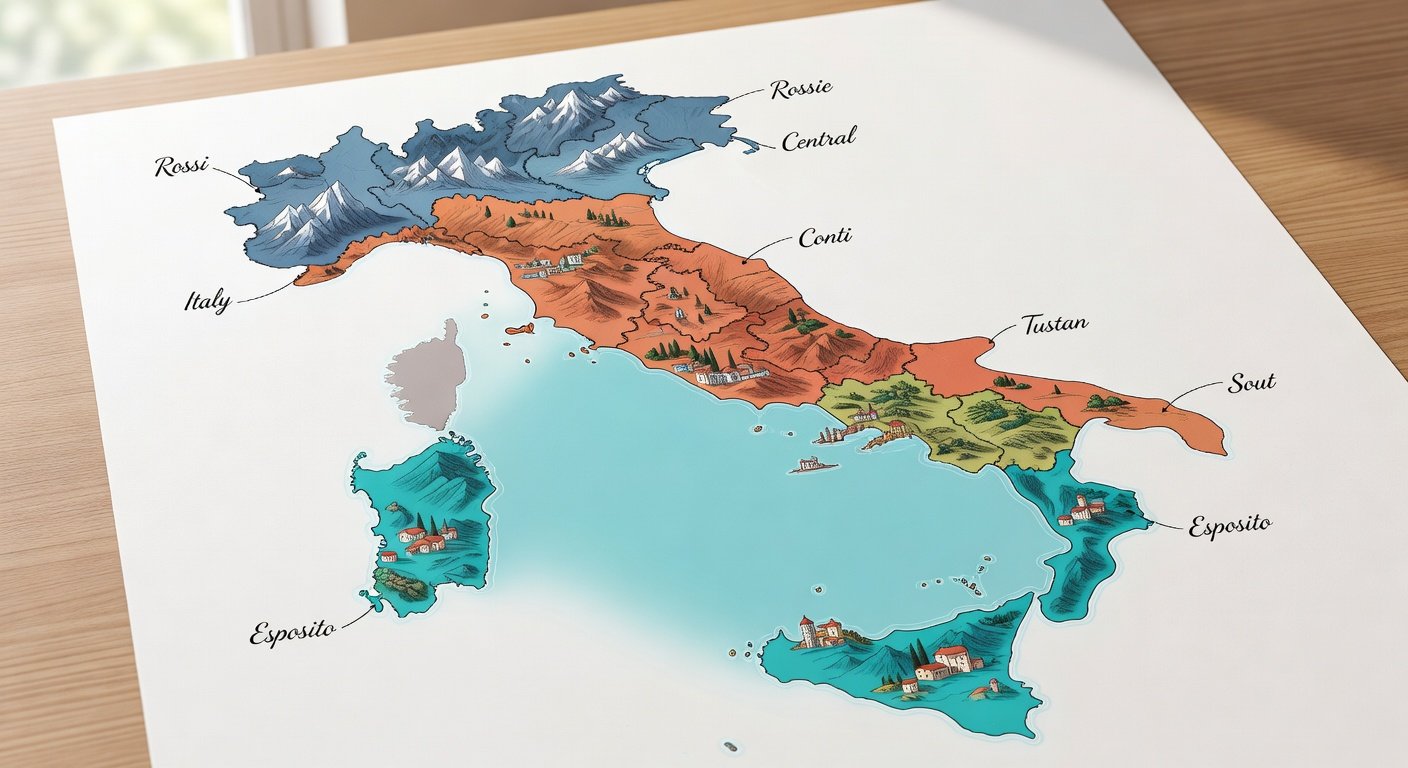
The geography of Italy profoundly shaped surname distribution, with distinct regional patterns reflecting centuries of political separation and cultural development. Northern Italian surnames often show Germanic and Alpine influences, particularly in regions like Lombardy, Piedmont, and the Veneto, where surnames frequently incorporate ‘-ini’ and ‘-etti’ suffixes. Central Italian surnames, particularly from Tuscany and Umbria, tend toward Latin-derived names with clearer occupational meanings. Southern Italian surnames reflect Norman, Spanish, and Greek influences due to historical invasions and cultural exchanges, often featuring ‘-zzo’ and ‘-aro’ suffixes more prominently than northern regions. Sicilian surnames show particularly strong Greek, Arabic, and Norman influences, creating a distinct linguistic character separate from mainland Italian naming patterns. Calabrian and Neapolitan surnames developed unique characteristics reflecting their geographic isolation and historical experiences. Researching your Italian last names origin becomes significantly more effective when you understand which region your ancestors inhabited, as regional surname patterns narrow research parameters considerably.
Northern Italian Surname Characteristics
Northern Italy, encompassing regions from Piedmont to Friuli-Venezia Giulia, developed surnames reflecting Alpine geography and proximity to Germanic and Slavic populations. Surnames from this region frequently incorporate diminutive suffixes like ‘-ini’, ‘-etti’, and ‘-ino’, creating names such as Martinelli, Rossetti, and Fontanini. The influence of Austro-Hungarian rule in northeastern regions created surnames with Germanic elements, distinguishing them from purely Latin-derived southern names. Venetian surnames often reflect maritime commerce and trade, with names like Gondolieri (gondolier) or references to spice trades and merchant activities. Lombard surnames frequently derive from occupations related to agriculture, textile production, and metalworking that dominated the region’s economy. Researching northern Italian ancestors benefits from understanding these regional characteristics, as surname patterns help identify specific provinces and communities where records are concentrated.
Southern Italian and Sicilian Surname Patterns
Southern Italy and Sicily developed distinctly different surname patterns reflecting centuries of rule by Norman, Spanish, French, and Arabic-speaking populations. Sicilian surnames frequently contain Arabic elements, such as ‘Ben-‘ (son of) or geographic references to North African origins, reflecting the island’s medieval Islamic period. Spanish influence appears in Sicilian and southern mainland surnames through surnames like Battaglia, Gallo, and Lombardi, reflecting centuries of Aragonese and Spanish rule. Greek elements persist in Calabrian and southern Sicilian surnames, particularly in names ending in ‘-poulos’ or ‘-idis’ adapted into Italian forms. The ‘-zzo’ and ‘-aro’ suffixes appear with greater frequency in southern surnames compared to northern regions, creating distinctive phonetic patterns. Neapolitan surnames often reflect the region’s position as a major Mediterranean port, with surnames referencing maritime activities and international commerce. Understanding these southern Italian characteristics helps genealogists identify ancestral origins more precisely and locate appropriate historical records for research.
How to Trace Your Italian Ancestry Through Surname Research
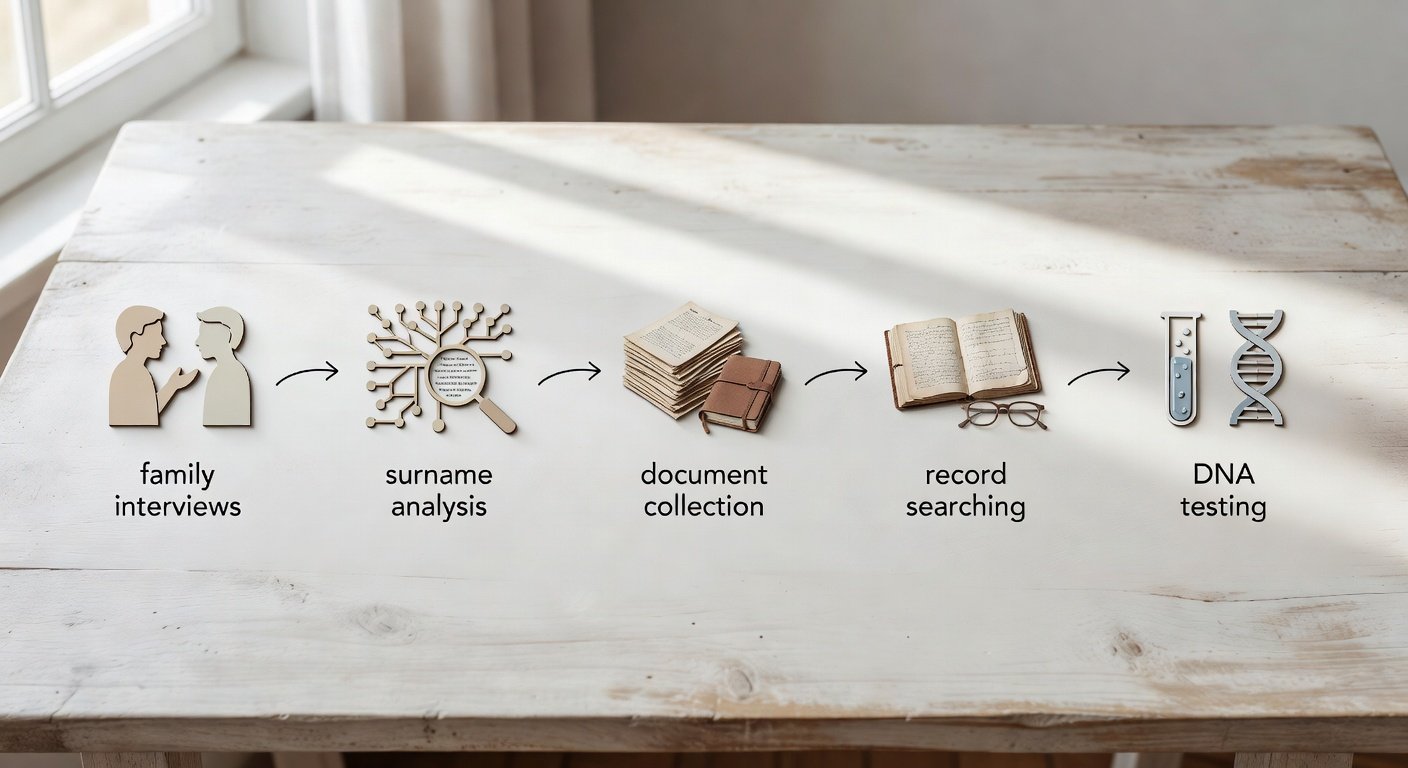
Tracing Italian ancestry through surname analysis requires combining linguistic knowledge with systematic genealogical research strategies and access to Italian historical records. Begin by documenting your surname’s exact spelling as it appears in immigration documents, birth certificates, and naturalization papers, as Italian surnames underwent significant changes during immigration to English-speaking countries. Research surname variants and spelling changes that occurred when ancestors arrived in America or other countries, as immigration officials often anglicized or simplified Italian names. Consult Italian genealogical databases and surname dictionaries that specialize in regional Italian naming patterns, providing context about your surname’s geographic concentration and historical meaning. Contact Italian genealogical societies focused on your ancestral region, as these organizations maintain specialized knowledge about local surname patterns and record locations. Utilize DNA testing services like AncestryDNA, MyHeritage, and FamilyTreeDNA to identify genetic relatives who may have additional family records or knowledge about your surname’s origins. Cross-reference surname research with Italian vital records, church registers, and property documents that confirm ancestral connections and provide genealogical progression.
Accessing Italian Genealogical Records
Italian genealogical research depends heavily on accessing vital records maintained by municipalities, churches, and regional archives throughout Italy. Civil registration records (anagrafe) maintained by Italian municipalities contain births, marriages, and deaths from 1865 forward, though many communities have older church records extending back centuries. Church records, particularly Catholic parish registers (registri parrocchiali), provide genealogical information predating civil registration and often contain detailed family information including godparents and witnesses. FamilySearch.org offers free access to millions of Italian records, including digitized church registers, civil records, and census data, making it an essential starting point for Italian ancestry research. Regional state archives (Archivi di Stato) in major Italian cities maintain historical documents including property records, tax documents, and notarial records that supplement vital registration information. Many Italian municipalities now offer online access to their vital records or employ professional genealogists who can conduct research for reasonable fees. Understanding which records are available for your specific ancestral region and time period significantly accelerates research progress and helps overcome common genealogical obstacles.
Using DNA Testing to Confirm Italian Ancestry
DNA testing provides scientific confirmation of Italian ancestry and helps identify genetic relatives who may possess family records or knowledge about your surname’s origins. Autosomal DNA tests from services like AncestryDNA and MyHeritage analyze your complete genetic makeup and compare it against databases of millions of users, identifying cousins with shared Italian heritage. Y-DNA testing, available through FamilyTreeDNA, traces the paternal line directly and helps confirm surname connections by identifying male relatives sharing both your surname and genetic markers. Mitochondrial DNA testing traces the maternal line independent of surnames, helping identify female ancestors and their migration patterns. DNA results provide percentage estimates of Italian regional ancestry, sometimes pinpointing specific regions like Sicily, Calabria, or Piedmont where your ancestors lived. Connecting with DNA matches who have Italian genealogical research already completed can dramatically accelerate your own research progress. Combining DNA evidence with traditional genealogical research creates a comprehensive understanding of your Italian family history and validates surname connections across generations.
Notable Italian Surnames and Their Meanings
Understanding the meanings and origins of common Italian surnames illuminates the historical context of Italian families and provides insight into ancestral occupations and characteristics. Rossi, one of Italy’s most common surnames, derives from the Latin ‘russus’ meaning red, likely indicating red-haired ancestors or those with ruddy complexions. Bianchi, another extremely common surname, means white or pale, similarly describing physical characteristics of early ancestors. Ferrari indicates ancestors who worked as blacksmiths, from the Latin ‘ferrarius’ meaning iron worker, reflecting the importance of metalworking in medieval Italian communities. Russo, particularly common in southern Italy, also means red and shares etymological roots with Rossi but developed distinct regional distributions. Gallo, meaning rooster, likely originated as a heraldic symbol or nickname for an ancestor with rooster-like characteristics. Colombo, meaning dove, similarly reflects heraldic or metaphorical origins, while also being associated with Christopher Columbus through historical fame. Conti indicates noble ancestry, deriving from the Italian word for count, suggesting ancestors held aristocratic titles or positions. Moretti, diminutive of Moro (dark or Moorish), may indicate ancestors from southern regions or those with dark complexions or hair.
Surname Variants and Spelling Changes
Italian surnames underwent significant transformations during immigration to America and other English-speaking countries, with spelling changes reflecting pronunciation differences and immigration official preferences. Rossi became Ross, Russo became Russ, and Bianchi transformed into Blanchard or Blanche in various immigration records. Occupational surnames like Ferraro sometimes became Farrow or Ferrari became Farrar in Anglicized versions. Regional variations meant that the same surname appeared with different spellings in different Italian provinces, creating research challenges when ancestors migrated within Italy before emigrating internationally. Diminutive suffixes were frequently dropped or modified during immigration, so Antonelli might become Antone or Antonetti transformed into Antone. Double consonants, characteristic of Italian pronunciation, were often simplified in English records, so Rossini became Rosini. Understanding these common transformation patterns helps genealogists locate ancestors in American records even when surname spellings differ dramatically from Italian originals. Documenting all known surname variants in your research prevents overlooking important genealogical connections and ensures comprehensive record searches across multiple spelling versions.
Research Strategies for Tracing Italian Family History
Effective Italian ancestry research requires systematic strategies that combine surname analysis with targeted record searches and geographic focus. Start by interviewing older family members about ancestral origins, specific town names, and family stories about why ancestors emigrated, as this information guides all subsequent research. Document your direct ancestors in reverse chronological order, working backward from yourself through parents, grandparents, and earlier generations, ensuring you establish each generational connection before advancing further. Identify your ancestor’s specific town of origin in Italy, as Italian records are organized municipally and provincial-level research proves inefficient without precise location information. Search Italian vital records systematically by municipality and year, utilizing FamilySearch and regional archive websites to access digitized records. Cross-reference multiple record types including church registers, civil records, property documents, and tax records to build comprehensive family narratives and confirm relationships. Join Italian genealogical societies and online forums focused on your ancestral region, as experienced researchers provide guidance on accessing specialized records and navigating regional research challenges. Consider hiring professional genealogists in Italy if language barriers or record access limitations impede your research progress.
Building a Comprehensive Family Tree
Creating a well-documented family tree requires systematic organization of genealogical information and careful verification of ancestral connections through multiple supporting documents. Begin with yourself and work backward, recording full names, birth dates, birth locations, marriage dates, marriage locations, death dates, and death locations for each ancestor. Include siblings and collateral relatives, as their records often contain information about parents and grandparents when direct-line records are unavailable or incomplete. Document source citations for every piece of information, recording which specific record provided each fact and maintaining copies of original documents. Utilize genealogical software like Ancestry.com, MyHeritage, or FamilyTreeDNA’s family tree features to organize information and identify research gaps. Distinguish between direct ancestors and collateral relatives clearly, as this organization prevents confusion when multiple family branches intersect. Share your research with DNA matches and distant cousins who may possess family records, photographs, or knowledge that enriches your family history. Regularly update your family tree as new information emerges from record searches, DNA matches, and family communications, ensuring your genealogical work remains current and accurate.
Frequently Asked Questions
What do Italian surname suffixes like -i, -ello, and -azzo mean?
Italian surname suffixes carry specific meanings: ‘-i’ often indicates plural or patronymic forms (Rossi, Bianchi); ‘-ello’ and ‘-illo’ are diminutives suggesting small size or endearment (Antonello); ‘-azzo’ carries pejorative or augmentative meaning (Terrazzo); ‘-ino’ functions as a diminutive (Valentino). These suffixes provide immediate insight into surname etymology and regional origins.
How can I find my Italian ancestor’s town of origin?
Start by reviewing immigration documents, naturalization papers, and census records that often list specific town names. Interview older family members about ancestral stories and place names. Contact Italian genealogical societies focused on your ancestral region. Search Italian vital records by municipality once you identify the specific town. Regional archives and FamilySearch.org provide digitized records organized by Italian municipalities, making location-based research highly effective.
What’s the difference between Italian surnames from northern and southern Italy?
Northern Italian surnames frequently incorporate Germanic and Alpine influences with diminutive suffixes like ‘-ini’ and ‘-etti’ (Martinelli, Rossetti). Southern Italian surnames reflect Norman, Spanish, and Arabic influences with ‘-zzo’ and ‘-aro’ suffixes more prominent. Sicilian surnames contain Arabic elements and Greek influences. Understanding regional patterns helps identify ancestral origins and locate appropriate historical records for research.
Can DNA testing help confirm my Italian ancestry?
Yes, DNA testing through services like AncestryDNA, MyHeritage, and FamilyTreeDNA identifies genetic relatives and provides Italian regional ancestry percentages. Y-DNA testing traces paternal lines and confirms surname connections. Connecting with DNA matches who have completed Italian genealogical research accelerates your own progress. Combining DNA evidence with traditional genealogical records creates comprehensive family history documentation.
Why did Italian surnames change when ancestors immigrated?
Immigration officials often anglicized or simplified Italian surnames due to pronunciation differences and spelling conventions. Rossi became Ross, Ferrari became Farrar, and diminutive suffixes were frequently dropped. Double consonants characteristic of Italian pronunciation were simplified in English records. Understanding these transformation patterns helps genealogists locate ancestors in American records despite dramatic surname spelling differences.
Ready to Discover Your Italian Heritage?
Tracing your Italian ancestry becomes significantly more effective when you understand the origins and patterns of Italian surnames. Whether you’re beginning genealogical research or deepening existing family history knowledge, the combination of surname analysis, DNA testing, and systematic record research reveals fascinating family stories. Start by documenting your direct ancestors in reverse chronological order, identifying your ancestor’s specific Italian town of origin, and accessing free resources like FamilySearch.org. Consider DNA testing through services like AncestryDNA or MyHeritage to identify genetic relatives and confirm Italian regional origins. For complex research challenges or language barriers, professional genealogists specializing in Italian records can provide expert guidance. Your Italian family history awaits discovery—begin your research today and connect with generations of ancestors who shaped your family’s unique story.