

Understanding the German Last Names Origin
The german last names origin traces back to medieval Europe, where surnames emerged as societies grew complex. In Germany, these names often derived from occupations, locations, personal traits, or patronymics, reflecting the diverse regions from Bavaria to Prussia. During the Holy Roman Empire, families adopted fixed surnames around the 12th to 15th centuries, influenced by feudal systems and church records. This evolution provides a window into ancestral lives, revealing whether forebears were farmers, smiths, or nobles. Today, with over 80 million German descendants worldwide, especially in the US where German ancestry ranks second, exploring these origins connects individuals to a rich cultural heritage. Resources like church baptismal records and census data help uncover these stories, emphasizing the importance of accurate etymology in genealogy research. Understanding german last names origin not only preserves history but also fosters a sense of identity amid global migration patterns.
Common Categories in German Last Names Origin
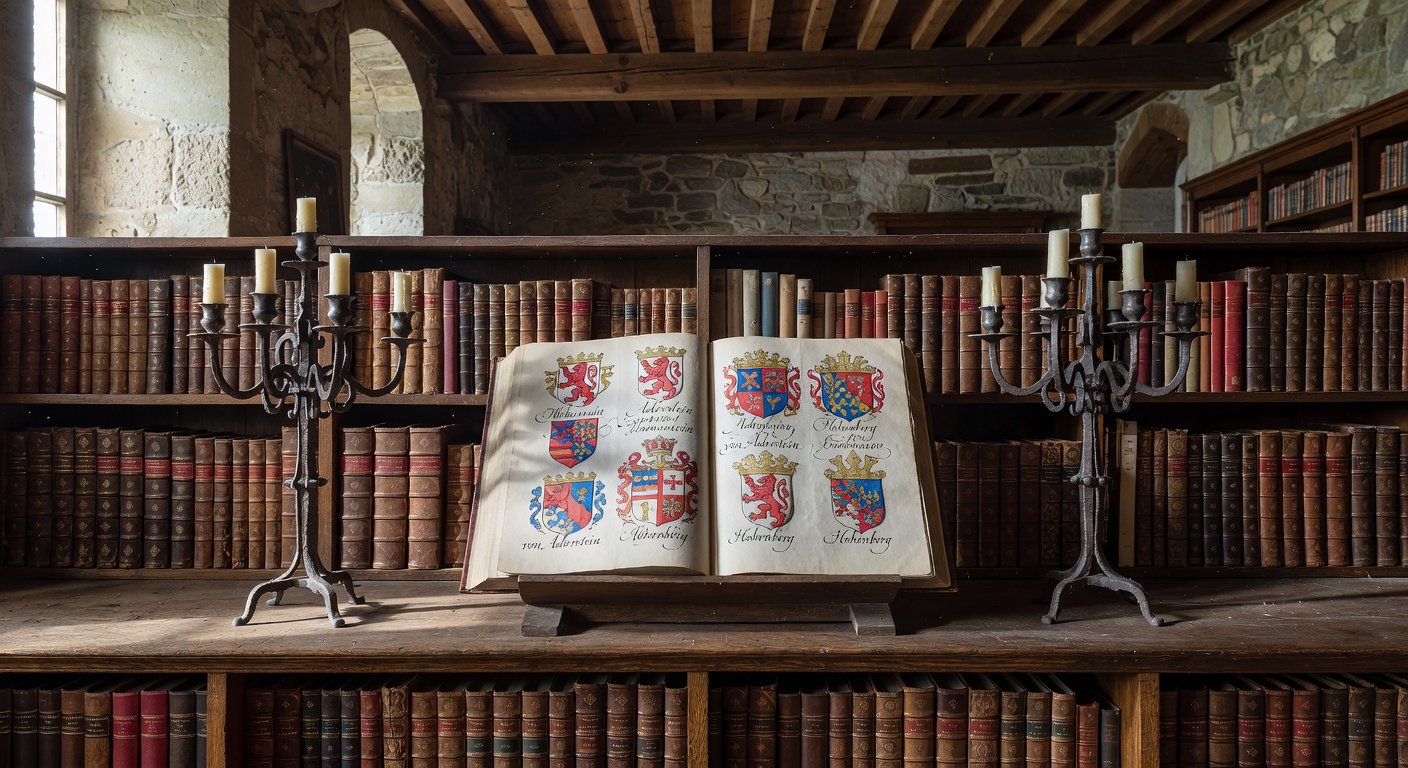
German last names origin can be grouped into several categories, each offering insights into historical lifestyles. Occupational surnames, such as Schneider meaning tailor, dominate, comprising about 40% of names and highlighting the guild-based economy of the Middle Ages. Patronymics like Petersen, son of Peter, were common in northern regions, evolving from Viking influences in Scandinavia-adjacent areas. Topographic names, including Berg for mountain, point to physical features that defined family lands. Descriptive surnames based on traits, like Klein for small, added personal flair. These categories emerged variably across German states, with southern dialects favoring melodic endings like -er, while northern ones preferred harsher consonants. Variant spellings, such as Mueller versus Müller, arose from regional dialects and immigration anglicizations. By categorizing your surname, you begin piecing together a narrative of resilience and adaptation through centuries of political upheaval, from the Thirty Years’ War to post-WWII displacements.
Occupational Surnames and Their Evolution
Occupational surnames form a cornerstone of german last names origin, directly tying families to medieval trades. Names like Becker, meaning baker, or Fischer, fisherman, illustrate how professions became hereditary identifiers as urbanization increased in the 14th century. In agrarian societies, these names signified economic roles, with blacksmiths adopting Schmidt and carpenters Lehrer. Over time, industrialization shifted meanings; a Weber, once a weaver, might now evoke textile history rather than current jobs. Geographic variations abound: in Austria, similar trades yield names like Zimmermann for carpenter, reflecting linguistic nuances. Historical records, such as guild charters from Nuremberg, document early adoptions, showing how these names spread via apprenticeships and marriages. For modern researchers, linking an occupational surname to regional industries—wine in Rhineland or mining in Saxony—enriches family narratives, revealing socioeconomic climbs or declines across generations.
Location-Based and Patronymic Influences
Location-based surnames in german last names origin often denote hometowns or landscapes, providing geographic anchors for ancestry. Examples include Berliner from Berlin or Frank from Frankfurt, emerging as people migrated for trade or war. These names proliferated during the 16th-century Reformation, when church registries standardized identities. Patronymics, prevalent in Protestant north Germany, follow patterns like Johannsen, son of Johann, contrasting with Catholic south’s saint-derived names. Immigration waves to America in the 19th century altered spellings, turning Vogel from bird (topographic) into Vogle. Habitation names like Hausmann, house man, suggest estate roles. Tracing these requires maps of historical German principalities, as borders shifted dramatically. Such origins not only map family movements but also highlight cultural exchanges, like Ashkenazi Jewish adaptations during the Enlightenment, blending Hebrew with Germanic roots for unique hybrids.
Notable German Last Names and Their Meanings
Exploring specific german last names origin reveals fascinating stories of prominent families. Müller, the most common, translates to miller and stems from the vital grain-milling trade, with over 700,000 bearers today indicating widespread rural roots. Schmidt, meaning smith, ranks second, evoking ironworking in industrial hubs like the Ruhr Valley. Weber, weaver, ties to textile regions, while Meyer, steward or tenant farmer, reflects feudal land management. Less common but evocative is Wagner, wagon maker, linked to transportation advancements. These names’ meanings often carry double layers; for instance, Klein denotes physical stature but also humble origins. Variant forms, such as Maier for Meyer in southern dialects, show phonetic evolutions. Notable bearers include composers like Richard Wagner and scientists like Otto Hahn, whose surnames underscore Germany’s intellectual legacy. For genealogists, matching your name’s meaning to historical events—like the Black Death’s impact on trades—adds depth to personal heritage quests.
Historical Context Shaping German Last Names Origin
The historical context of german last names origin is intertwined with Germany’s fragmented past. Before unification in 1871, over 300 states meant surnames varied by locale, with Prussian militarism favoring stern names like Krieger, warrior. The Napoleonic Wars prompted standardization, as conscription required clear identities. Jewish emancipation in the 19th century led to adopted surnames like Rosenthal, rose valley, often poetic to evade persecution. Emigration to the US, peaking in 1880s, anglicized names—Steiner became Stoner—due to Ellis Island clerks. World Wars further dispersed families, with post-1945 expulsions from Eastern Europe reshaping distributions. Church records from the 1500s, preserved in archives like those in Stuttgart, offer primary sources. Understanding this context explains surname concentrations: high in Midwest US from 1848 revolutionaries. It also highlights resilience, as names endured despite partitions, serving as cultural lifelines for diaspora communities.
Impact of Migration and Wars on Surname Distribution
Migration and wars profoundly influenced german last names origin and distribution. The 1848 revolutions drove intellectuals to America, concentrating names like Schneider in Pennsylvania Dutch country. Earlier, Palatine Germans fled 1709 famines, settling Hudson Valley with names like Klein. WWII redrew maps, expelling 12 million from Sudetenland, scattering names like Novak (Slavic-influenced) eastward. Post-war, guest worker programs brought Turkish-German hybrids, but core surnames remained. Distribution maps from sites like Forebears.io show clusters: Müller dense in Baden-Württemberg. For tracing, passenger lists on Ancestry.com reveal entry points, while DNA matches connect to lost branches. These events underscore surnames as migration markers, helping descendants reconstruct paths from Rhineland villages to Chicago enclaves, preserving stories of survival amid turmoil.
Steps to Trace Your German Family History
Tracing German family history starts with your surname’s german last names origin, building a roadmap from present to past. Begin at home: gather birth certificates, photos, and oral histories from relatives, noting any immigration tales. Online databases like FamilySearch.org offer free access to German church books, digitized from 1550s onward. For deeper dives, MyHeritage’s European collections include civil registries post-1874. Visit local archives if possible—Standesämter hold vital records—or use proxies via email. Overcome language barriers with Google Translate for Gothic script in old documents. Connect dots with census data from 1880 US records, where German immigrants clustered. Patience yields rewards: a single baptismal entry can unlock generations. This process not only verifies surname meanings but also uncovers unexpected ties, like noble lineages or artisan guilds, transforming abstract origins into vivid ancestral portraits.
Leveraging Online Resources and DNA Testing
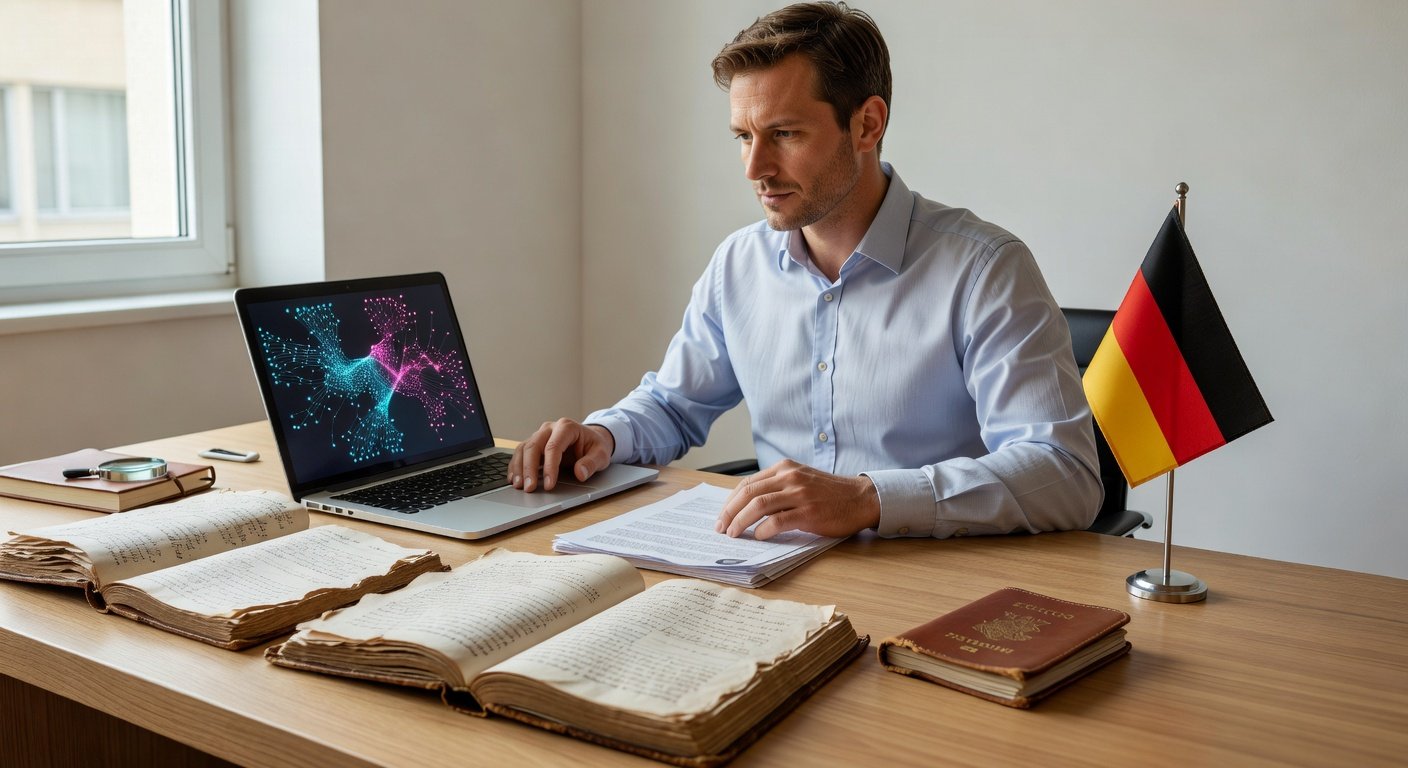
Online resources streamline tracing german last names origin, with platforms like Ancestry.com providing billions of German records, from Hamburg passenger lists to Berlin censuses. Free options include WikiTree for collaborative trees and Geni.com for global connections. For DNA, FamilyTreeDNA’s Germanic panel identifies haplogroups like R1b, common in western Germany, matching you to cousins. Kits from 23andMe reveal regional percentages—say, 40% Bavarian—corroborating surname geography. Upload results to GEDmatch for broader comparisons. Combine with surname forums on Ahnenforschung.net, where enthusiasts share variants. Avoid pitfalls: verify sources, as user trees may contain errors. Success stories abound, like reuniting siblings via a shared Müller line. These tools democratize research, turning novices into historians while respecting privacy in data sharing.
Overcoming Challenges in German Genealogy Research
Challenges in tracing german last names origin include privacy laws and record gaps from wars. Post-1945, many East German files remain sealed until 100 years after birth, requiring in-person visits or waivers. Gothic handwriting demands practice; apps like Transkribus aid transcription. Illegitimacy or adoptions obscure lines, but notarial records help. For Jewish ancestry, Yad Vashem databases fill Holocaust voids. Budget for paid sites, but start free: Ellis Island for arrivals, SSDI for deaths. Collaborate via DNA circles on Ancestry, where shared segments confirm relations. Persistence pays; one user traced a Fischer line through bombed Dresden records. These hurdles build research skills, ultimately revealing resilient stories behind your surname’s origin.
Frequently Asked Questions
What are the most common German last names and their origins?
Common German last names include Müller (miller, from grain milling trades), Schmidt (smith, ironworkers), and Schneider (tailor, textile workers). These occupational origins date to the Middle Ages, reflecting economic roles in feudal Germany. Understanding their german last names origin helps contextualize family histories within regional industries.
How do I find the meaning of my German surname?
To find your German surname’s meaning, consult etymology dictionaries like those on BehindTheName.com or books such as ‘German Surnames’ by Kaspar Linnartz. Cross-reference with historical contexts on Ancestry.com. Most derive from occupations, places, or traits, providing clues to ancestral lifestyles and german last names origin.
What resources are best for tracing German ancestry?
Key resources include FamilySearch.org for free church records, MyHeritage for European vital stats, and Ancestry.com for comprehensive databases. DNA tests from FamilyTreeDNA target Germanic markers. Start with known dates and locations to navigate german last names origin effectively, building a reliable family tree.
Why did German surnames change during immigration?
Immigration often anglicized German surnames for pronunciation, like Müller to Miller, due to clerks at ports like Ellis Island. Political reasons, such as avoiding discrimination, also prompted changes. Exploring german last names origin reveals these adaptations, aiding searches in US records versus original European spellings.
Ready to Uncover Your Roots?
If this guide has sparked your interest in german last names origin, take the next step by exploring dedicated genealogy platforms. Sign up for a free trial on Ancestry or MyHeritage to search your surname today and connect with your heritage.