Why Start Building Your Family Tree Today
Building a family tree connects you to your heritage, preserves family stories for future generations, and answers fundamental questions about where your family came from. Whether you’re curious about a specific surname’s origins or want to document your entire lineage, starting a family tree is more accessible than ever. Many people assume genealogy research requires expensive subscriptions or advanced research skills, but beginners can accomplish remarkable results with free tools and a systematic approach. The satisfaction of discovering ancestors you never knew existed, understanding their migration patterns, and learning their professions and accomplishments makes this journey deeply rewarding. Your family’s history is unique, and documenting it ensures that knowledge doesn’t disappear with each generation.
The best time to start building your family tree is now. Older relatives who hold valuable memories and documents won’t be available forever, and family records become harder to locate as time passes. You don’t need to be a professional genealogist to begin—just curiosity, patience, and a willingness to ask questions of family members. This guide walks you through every step, from gathering information at home to accessing public records and specialized genealogy websites. By the end, you’ll have a solid foundation for your family tree and understand which resources work best for your research goals.
Gather Information from Family Members First
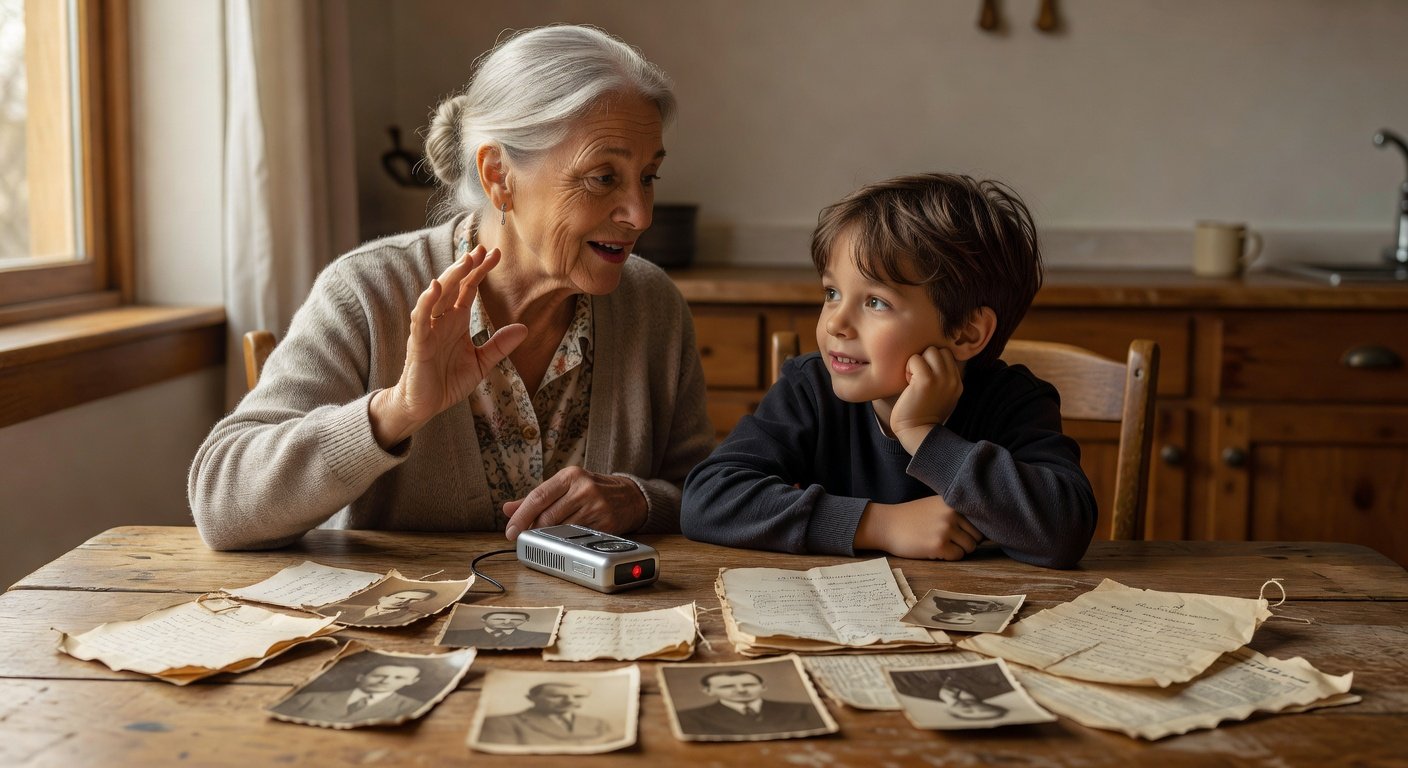
Your family is your first and most valuable research resource. Before searching public records or subscribing to genealogy websites, spend time interviewing relatives who can provide names, dates, places, and stories. Start with the oldest family members—grandparents, great-aunts, great-uncles—who lived through different eras and may remember details younger relatives don’t. Create a simple interview plan with questions about birth dates, marriage information, where they lived, their parents’ names, and any family stories about immigration or relocation. Record these conversations if possible, either by writing detailed notes or using your phone’s voice recorder. Even small details like “Grandpa always said the family came from Ireland” or “Aunt Mary mentioned they lived in Pennsylvania before moving west” provide valuable clues for later research.
Document everything your relatives tell you, even if it seems incomplete or uncertain. Family memories often contain kernels of truth mixed with understandable gaps or slight inaccuracies about dates and places. Write down names exactly as relatives pronounce or spell them, since surname variations are common in genealogy. Ask follow-up questions about siblings, children, and extended family members. Request any family documents they might have—old photographs with names written on the back, birth certificates, marriage announcements, obituaries, or family Bibles with handwritten genealogical information. These documents provide concrete evidence for your family tree and often contain dates and locations you won’t find anywhere else. Create a simple system to organize this information, whether it’s a notebook, spreadsheet, or digital folder.
Choose the Right Family Tree Template or Software
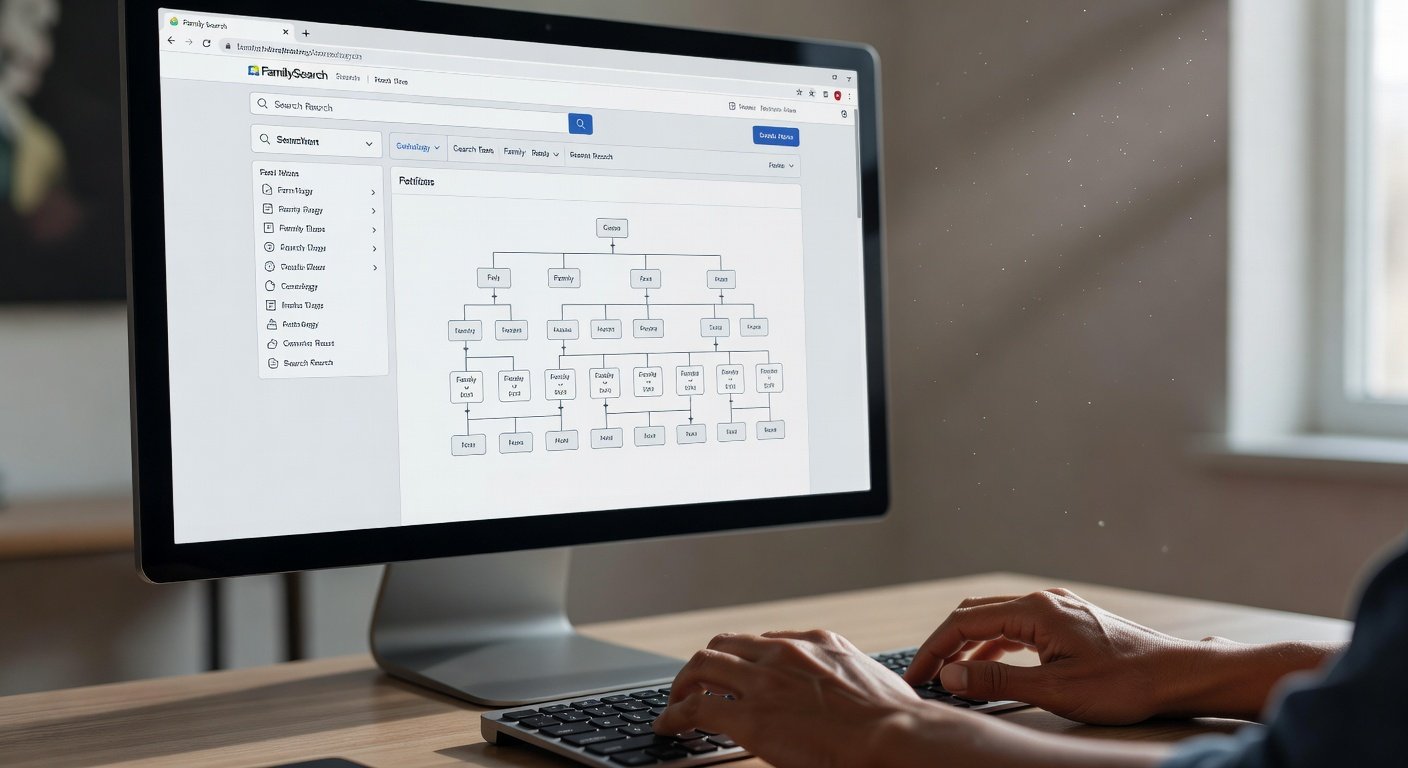
You have several options for organizing your family tree, ranging from simple spreadsheets to specialized genealogy software. For beginners, a basic template works perfectly—you can start with a free downloadable family tree template in Excel or Google Sheets that includes columns for names, birth dates, birth places, marriage dates, and notes. These templates are straightforward to use and help you see relationships clearly without overwhelming complexity. If you prefer visual organization, a pedigree chart template displays your direct ancestors in a traditional tree format, making it easy to spot gaps in your research. Many genealogy websites like FamilySearch and Ancestry offer free tree-building tools that automatically organize information and prevent duplicate entries. These platforms also connect you to other researchers working on the same family lines, which can accelerate your progress significantly.
As your research expands, you might want to transition to dedicated genealogy software like Legacy Family Tree, RootsMagic, or Gramps (free and open-source). These programs offer advanced features like source citations, research logs, and the ability to generate detailed reports. However, starting simple prevents overwhelm—you can always migrate your information later. The key is choosing a system you’ll actually use consistently. Some researchers prefer the tactile experience of a paper-based approach, creating handwritten charts and filing documents in folders. Others thrive with digital organization. Your choice matters less than your commitment to recording information systematically. Whatever method you select, ensure you can easily add new information, link family members together, and note your sources—these practices prevent confusion as your tree grows.
Access Free Genealogy Websites and Public Records
Numerous free genealogy websites provide access to millions of historical records without requiring a paid subscription. FamilySearch.org, operated by The Church of Jesus Christ of Latter-day Saints, offers one of the largest free genealogy databases with billions of indexed records including census data, birth and death records, marriage certificates, and immigration documents. You can search by name, location, and date range to find your ancestors. Ancestry.com offers a limited free search function and a subscription option; even without paying, you can often view hints and basic information. Other valuable free resources include FindAGrave.com for cemetery records and gravestone inscriptions, which often contain birth and death dates plus family relationships. USGenWeb provides state-by-state links to free genealogy resources specific to each region. These websites vary in their organization and search capabilities, so learning to navigate each one expands your research effectiveness.
Public records available through government websites and archives provide primary source documents that verify family information. Birth, death, and marriage certificates are foundational records that establish dates and places. Census records from 1790 onward show household composition, occupations, and birthplaces. Immigration records like ship passenger lists reveal when and where ancestors arrived. Property records and land deeds document where families lived and their economic status. Many state vital records offices allow online searches for a small fee, while others require in-person visits or mail requests. County courthouses maintain marriage licenses, divorce decrees, and probate records. The Social Security Death Index helps locate death dates for people who died after 1962. Start with records closest to your current generation and work backward, building a chronological picture of your family’s movements and life events. Each record you find typically leads to additional records—a marriage certificate might mention parents’ names, which then allows you to search for their records.
Understand Basic Genealogy Research Principles
Successful genealogy research follows established principles that help you avoid dead ends and false connections. The Genealogical Proof Standard (GPS) requires that you cite your sources, evaluate evidence, and resolve conflicts between sources before accepting information as proven fact. This means recording exactly where you found information—the website name, database title, record type, and date accessed. When you find conflicting information, such as different birth dates in different records, research further to determine which source is most reliable. Primary sources created at the time of an event (like a birth certificate issued when a child was born) are generally more reliable than secondary sources created later (like a biography written decades afterward). Understanding this hierarchy prevents you from building your family tree on shaky foundations. Many genealogy mistakes result from researchers connecting people with the same name without verifying they’re actually related.
Develop a research plan before diving into records. Write down what you already know, identify what you need to find, and list the records most likely to contain that information. For example, if you need to confirm your great-grandfather’s parents’ names, you might search his marriage certificate (which often lists parents), his birth certificate, census records showing him living with his parents, or his obituary. Research one person at a time, working backward generation by generation. Keep a research log documenting which records you’ve already searched, what you found, and what still needs investigation. This prevents wasting time searching the same records twice and helps you spot patterns in where your family lived. Accept that some ancestors may be difficult or impossible to locate—this is normal in genealogy. Instead of getting frustrated, move to a different branch of your family tree and return to the difficult ancestor later with fresh perspective and potentially new resources.
Organize Your Findings and Maintain Accurate Records
As your family tree grows, organization becomes critical. Create a filing system—either physical folders or digital directories—organized by surname and then by individual. Store copies of documents you find: birth certificates, marriage licenses, census pages, obituaries, and photographs. Include the source information with each document so you remember exactly where it came from. A simple spreadsheet tracking your sources prevents duplicating research efforts and helps you remember which databases you’ve already searched. Many genealogists maintain a “research log” listing each search they’ve conducted, the database searched, the search parameters used, and the results. This seemingly tedious practice saves enormous time when you return to your research after a break and can’t remember whether you’ve already searched a particular census year or county. Digital tools like Evernote or OneNote allow you to clip web pages and organize them by family line, making information easy to retrieve later.
Develop a citation system for recording where information came from. Even if you’re not writing a formal genealogy book, citing sources ensures you can relocate information later and verify facts if someone questions your research. At minimum, record the website name, database title, the specific record you viewed, and the date you accessed it. Many genealogy software programs include citation templates that guide you through recording source information properly. As your tree expands and you potentially share it with other family members, accurate citations demonstrate the reliability of your research. They also help other researchers who might be working on the same family lines—they can see your sources and potentially contribute additional information or corrections. Organization and citation practices distinguish serious genealogy research from casual guessing, and they make your family tree a valuable resource for future generations rather than a collection of unverified claims.
Consider DNA Testing to Verify Connections
DNA testing has revolutionized genealogy by providing scientific verification of family relationships and ethnic heritage. Companies like AncestryDNA, MyHeritage, and FamilyTreeDNA offer affordable DNA kits that test your autosomal DNA and match you with genetic relatives. These matches can confirm relationships you’ve already documented through traditional research or reveal previously unknown family connections. A DNA match to a distant cousin might lead you to their family tree, showing you branches of your family you hadn’t yet researched. DNA testing is particularly valuable when traditional records are incomplete or unavailable, such as for families affected by name changes, adoption, or immigration disruptions. The results come with ethnicity estimates showing your ancestral geographic origins, though these estimates are approximate and subject to refinement as companies improve their databases. Many genealogy websites now integrate DNA results with family trees, making it easy to see how DNA matches connect to your documented ancestors.
DNA testing complements rather than replaces traditional genealogy research. A DNA match confirms genetic relationship but doesn’t automatically tell you the exact ancestor you share or how you’re related. You’ll still need to research the matching person’s family tree and compare it with yours to identify the common ancestor. Some DNA matches are from distant cousins whose family trees haven’t been thoroughly researched, requiring you to work backward from the match to find the connection. Privacy considerations matter when using DNA testing—review each company’s privacy policies and understand how they use and store your genetic information. Some people are uncomfortable with DNA databases and prefer traditional research methods, which remain valid and valuable. If you choose DNA testing, multiple tests through different companies provide more matches and increase the likelihood of finding useful connections. The combination of traditional research and DNA testing creates a comprehensive understanding of your family history.
Expand Your Research to Specialized Records and Resources
Once you’ve exhausted basic records, specialized resources help you break through research plateaus and discover deeper family history. Cemetery records and gravestone inscriptions provide birth and death dates, family relationships, and sometimes occupations or military service information. Many cemeteries have digitized records available online, while others require in-person visits. Newspaper archives reveal births, marriages, deaths, business activities, and community involvement. Historic newspapers are increasingly digitized and searchable through sites like Chronicling America (Library of Congress) and Newspapers.com. Military records document service dates, locations, ranks, and sometimes family information. Church records including baptisms, marriages, and burials predate civil registration in many areas and often provide godparent or witness names that indicate extended family networks. Land records show where your ancestors lived, property values, and sometimes family conflicts or business partnerships. Probate records reveal family relationships, property ownership, and sometimes interesting details about daily life through inventories of household goods.
Immigration and naturalization records trace your family’s journey to America or other countries. Ship passenger lists show departure and arrival ports, ages, occupations, and sometimes relationships between passengers. Naturalization papers document when ancestors became citizens and often list their country of origin and family members. Passport applications include photographs and biographical information. Ethnic-specific resources can accelerate research for particular ancestral lines—Irish genealogy databases, Italian surname resources, German immigration records, and Jewish genealogy websites contain information not easily found in general genealogy sources. Surname distribution maps show where your family name is most common geographically, suggesting where your ancestors likely originated. Understanding your surname’s etymology and origin provides context for your family’s history. Many genealogy websites include surname guides explaining the meaning and geographic distribution of specific family names, helping you understand the cultural and linguistic roots of your family identity.
Connect with Other Researchers and Join Genealogy Communities
Genealogy research doesn’t have to be solitary. Connecting with other researchers working on the same family lines accelerates progress and provides valuable insights. Many genealogy websites include messaging features allowing you to contact other users who’ve built trees with your ancestors. These connections often lead to sharing research findings, combining resources, and breaking through difficult research problems together. Facebook groups dedicated to specific surnames or geographic regions connect researchers with shared interests. Professional genealogy organizations like the National Genealogical Society offer educational resources, conferences, and networking opportunities. Local genealogy societies focus on specific counties or regions and often maintain archives of local records, host research events, and offer mentoring to beginners. These communities provide encouragement during frustrating research periods and celebrate discoveries together. Many experienced genealogists remember their own beginner struggles and generously share knowledge with newcomers. Asking questions respectfully in these communities often yields helpful suggestions from people who’ve already solved similar research problems.
Collaboration with distant cousins who share your family lines multiplies research effectiveness. When you discover a DNA match or connect with someone researching the same family, sharing your research notes, documents, and sources accelerates progress for both researchers. Some families maintain shared family tree projects where multiple researchers contribute findings. This collaborative approach prevents duplicate research efforts and creates comprehensive family histories larger than any individual could accomplish alone. However, maintain healthy boundaries—not everyone will respond to research inquiries, and some may have different research standards or family relationship interpretations. Respect these differences while maintaining your own research integrity. The genealogy community at its best is supportive, collaborative, and focused on accurately documenting family history. Engaging with this community transforms genealogy from a solitary hobby into a meaningful connection with others who share your heritage and curiosity about family origins.
Frequently Asked Questions
What is the best free genealogy website to start with?
FamilySearch.org is the best starting point for beginners because it offers billions of indexed records completely free, including census data, vital records, and immigration documents. It also provides free family tree building tools. Ancestry.com and MyHeritage offer limited free searches and paid subscriptions with more extensive records. Starting with FamilySearch lets you build a solid foundation before deciding whether paid subscriptions are worth the investment.
How far back can I trace my family tree?
How far you can trace your family tree depends on available records and your ancestors’ geographic location. European research often extends centuries back due to church records. American research typically goes back reliably to the 1800s for most families, with some lines traceable to colonial times. Immigration disruptions, name changes, and missing records create natural stopping points. DNA testing can help you identify ancestral origins when records end.
Do I need to pay for genealogy websites to build a family tree?
No. You can build a comprehensive family tree using entirely free resources like FamilySearch, FindAGrave, USGenWeb, and public records databases. Many paid subscriptions like Ancestry.com accelerate research by providing more indexed records, but they’re not essential for beginners. Start free and consider paid subscriptions only if you hit research walls that free resources can’t overcome.
What documents do I need to start building a family tree?
Begin with documents you already have: birth certificates, marriage licenses, death certificates, photographs, family Bibles, and old letters. Interview relatives to gather names, dates, and places. These form your foundation. As you research, you’ll locate census records, obituaries, and other public documents. You don’t need extensive documents to start—just names and approximate dates.
Should I take a DNA test for genealogy research?
DNA testing complements traditional genealogy research by confirming relationships and connecting you with genetic relatives. It’s particularly helpful if records are incomplete or unavailable. However, it’s not essential—traditional research alone can build a complete family tree. DNA testing is most valuable when combined with documented research to identify how DNA matches connect to your family.
Ready to Begin Your Family History Journey?
Building your family tree is one of the most rewarding research projects you can undertake. You now have a clear roadmap: start with family members, choose your organizational system, explore free genealogy websites, and gradually expand into specialized records. Every ancestor you discover adds depth to your understanding of your heritage and creates a valuable legacy for future generations. Begin this week by interviewing an older relative and documenting what they share. Your family’s story is waiting to be uncovered.