

Understanding Death Records and Why They Matter for Genealogy
Death records are among the most valuable resources for genealogical research, providing essential information about your ancestors’ lives and families. These official documents typically include the deceased’s full name, date of death, age, cause of death, place of burial, and surviving family members. Unlike other genealogical sources that may require paid subscriptions or extensive travel to archives, many death records are now accessible through free online databases. Understanding what death records contain and where to find them can dramatically accelerate your family history research without spending money on premium genealogy services. Whether you’re tracing a recent ancestor or investigating family lines from centuries past, death records offer concrete evidence that connects generations and fills gaps in your family tree.
The importance of death records extends beyond simple dates and names. These documents often reveal migration patterns, occupations, religious affiliations, and social status of your ancestors. Death certificates, in particular, have evolved over time—early certificates may contain minimal information, while modern ones include detailed medical history and family relationships. Cemetery records, obituaries, and burial permits complement death certificates by providing additional context about funeral arrangements, mourning customs, and family dynamics. By learning to search death records effectively, you gain access to a treasure of genealogical information that connects you to your heritage and helps you construct an accurate family narrative.
The Social Security Death Index (SSDI): Your First Free Resource
The Social Security Death Index (SSDI) is one of the most comprehensive and freely accessible death records databases available online. This index contains information on individuals who held Social Security numbers and whose deaths were reported to the Social Security Administration. The SSDI includes millions of records dating back to 1936, making it an invaluable starting point for death records research. You can search the SSDI through multiple free platforms, including FamilySearch.org, Ancestry.com’s free trial, and the official Social Security Administration website. Each entry typically includes the deceased’s name, birth date, death date, last residence, and the state where the Social Security number was issued. This information helps you verify identities and locate additional records in state vital records databases.
Searching the SSDI requires understanding its limitations and strengths. The index does not include everyone who died—only those with Social Security numbers and whose deaths were reported to the SSA. Deaths before 1936 are absent, as are many deaths from the 1930s and 1940s when Social Security was relatively new. Additionally, the SSDI may contain errors or duplicate entries. When you find a potential match, record all details carefully, including the last residence and the state where the Social Security number was issued. This information becomes crucial for locating official death certificates and cross-referencing with other genealogical sources. The SSDI serves as a verification tool and a gateway to deeper research rather than a complete genealogical solution.
How to Search the SSDI Effectively
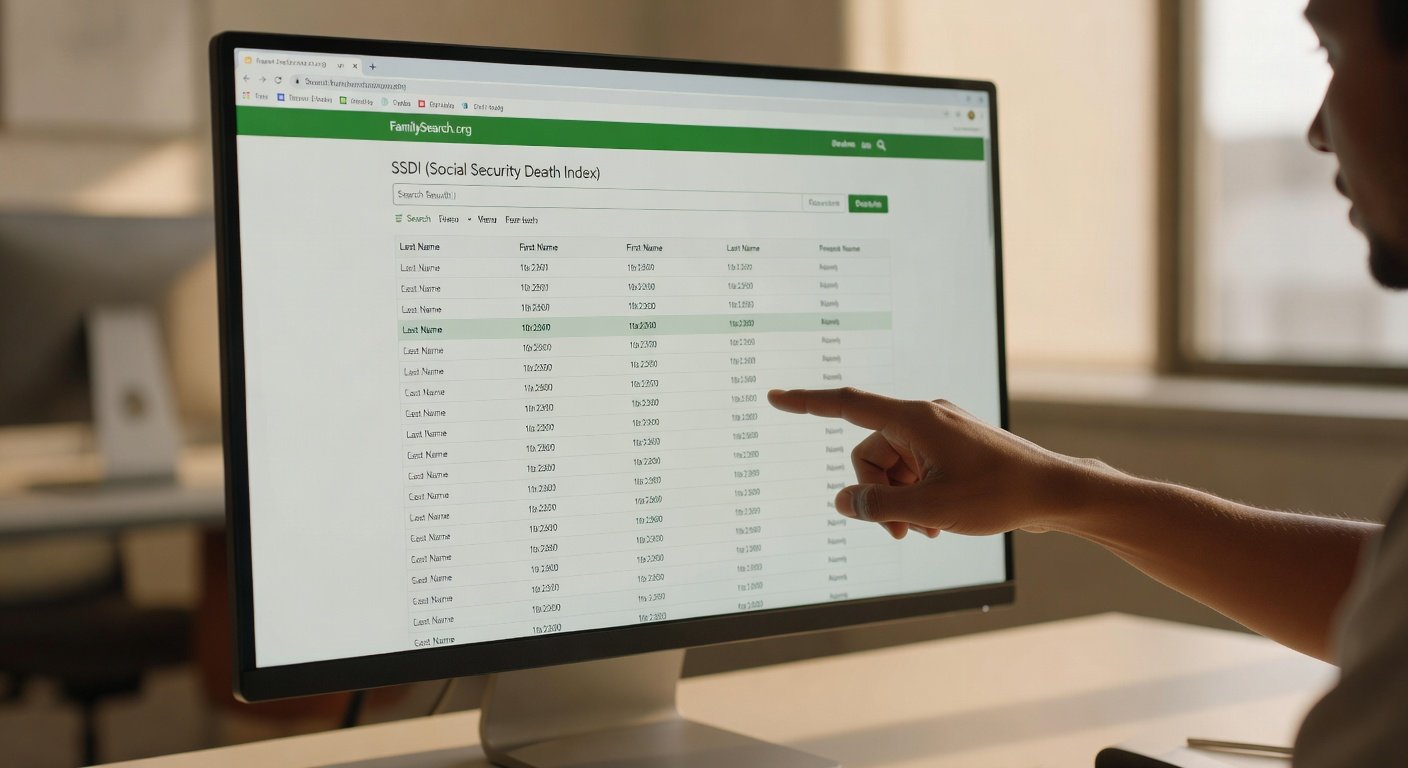
Begin your SSDI search by visiting FamilySearch.org, which offers free access to the complete Social Security Death Index. Click on the search function and enter the deceased person’s name, being prepared to try variations if your initial search yields no results. Include birth and death year ranges if you know them, as this narrows results significantly. The search engine will return multiple matches; examine each carefully, comparing birth dates, death dates, and last residence locations. Once you identify a likely match, note the Social Security number, state of issuance, and last residence. This information directly supports your next research steps. If you find multiple potential matches, record all of them for further verification through official death certificates and other genealogical records.
Accessing State Vital Records Databases for Free
Each state maintains vital records including death certificates, and many states now offer free online access to at least portions of their vital records collections. State vital records databases vary significantly in scope, search functionality, and the time periods they cover. Some states provide complete digital collections of death certificates dating back to the 1800s, while others limit free access to records older than 50 or 100 years. FamilySearch.org has partnered with many state vital records offices to digitize and make available historical death records at no cost. The FamilySearch catalog is searchable by state and record type, allowing you to identify which death records are available for your target location and time period. This partnership has created an unprecedented opportunity for genealogists to access primary source documents without fees.
To locate free state vital records, begin by identifying the state where your ancestor died. Visit FamilySearch.org and navigate to the state’s collection page, which lists available records with descriptions of date ranges and search capabilities. Many states also maintain their own vital records websites with searchable databases. For example, some states offer free access to death records older than a specific number of years, with more recent records requiring payment or in-person requests. Document the exact name of the database, the date range it covers, and any search limitations. Some state databases allow keyword searching across multiple fields, while others require you to know specific information like the county of death. Understanding each database’s search parameters before beginning ensures you conduct thorough and efficient research.
Navigating FamilySearch for State Death Records
FamilySearch.org’s catalog contains millions of digitized death records organized by state and county. To access these records, create a free FamilySearch account and log in. Navigate to the catalog search and filter by location (state), record type (death records or vital records), and date range. Browse the results to identify collections relevant to your research. Once you select a collection, you can typically search by name, date, or location within that specific database. The platform displays images of original documents alongside indexed information, allowing you to verify details and examine handwriting. If a record appears promising, you can save it to your research notes or download it for offline reference. This systematic approach ensures you access all available free death records for your target location before pursuing paid options.
Finding Death Records Through FindAGrave and Cemetery Databases
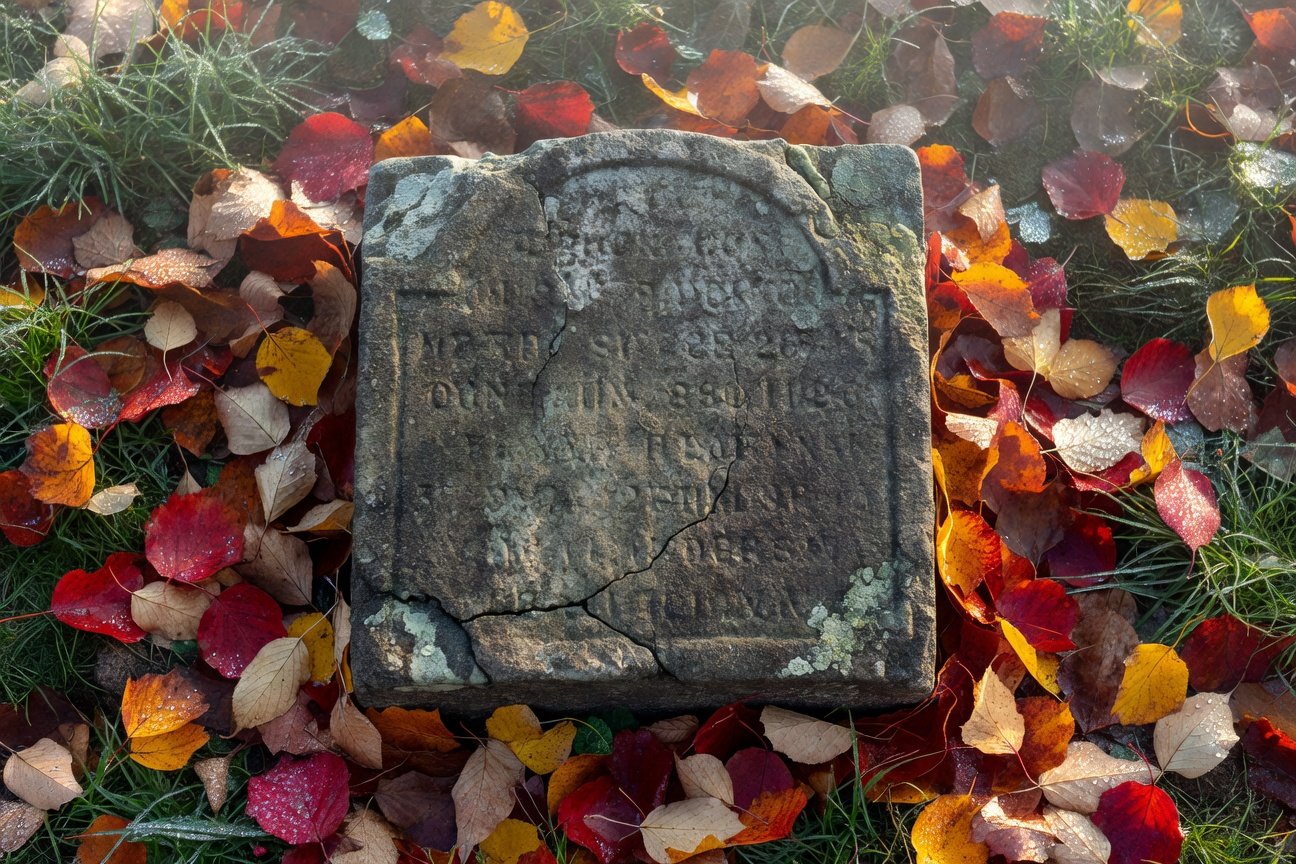
FindAGrave.com is a volunteer-maintained database of cemetery records and burial information that contains millions of entries accessible completely free. This resource combines death dates, burial locations, cemetery information, and often photographs of gravestones. FindAGrave is particularly valuable because volunteers continuously add new records, and the site includes burial information that may not appear in official vital records databases. Searching FindAGrave requires entering the deceased’s name and optionally their birth year, death year, or cemetery location. The search results display matching records with burial information, cemetery details, and sometimes photographs of the grave marker. These photographs can reveal additional information carved into the stone, such as family relationships or religious affiliations. FindAGrave also allows you to contact record contributors who may have additional information about your ancestor.
Cemetery records extend beyond FindAGrave to include local cemetery association websites, historical society collections, and digitized burial registers. Many cemeteries maintain their own websites with searchable databases of interred individuals. Historical societies in your ancestor’s county often preserve cemetery records, burial permits, and sexton records that provide details about grave locations, burial dates, and sometimes family information. These records frequently include details about plot ownership, grave markers, and maintenance records that reveal family relationships and migration patterns. By combining FindAGrave with local cemetery resources, you construct a comprehensive picture of your ancestor’s final resting place and the family members buried nearby. This information often leads to additional genealogical discoveries and helps you locate other family members for further research.
Using Cemetery Records to Expand Your Family Tree
Cemetery records serve as genealogical goldmines because family members are frequently buried in close proximity, often in family plots. When you locate an ancestor’s grave through FindAGrave or local cemetery records, examine the surrounding graves for family surnames and dates. This reveals siblings, spouses, parents, and children who may not appear in other genealogical sources. Many cemeteries maintain plot maps showing grave locations and family relationships. Request these maps from the cemetery office or historical society—they often provide free copies or digital images. Additionally, cemetery records frequently document grave transfers, reburials, and monument inscriptions that tell stories about family relationships and historical events. By thoroughly examining cemetery records, you identify additional family members to research and verify relationships documented in other sources.
Searching Obituaries and Newspaper Death Notices Online
Obituaries and newspaper death notices provide narrative information about your ancestors’ lives, families, and communities that vital records alone cannot convey. Newspapers published obituaries for prominent community members and death notices for ordinary residents, creating a comprehensive record of local deaths. Many newspapers have been digitized and made freely available through Chronicling America, a Library of Congress project that provides access to millions of newspaper pages from 1789 to 1963. Searching Chronicling America requires entering the deceased’s name, selecting a state and date range, and browsing results. The platform displays full newspaper pages, allowing you to read original articles and advertisements alongside death notices. This contextual information reveals details about your ancestor’s occupation, community involvement, and family relationships. Beyond Chronicling America, local library websites and state historical society collections often provide free access to digitized newspapers specific to their regions.
Obituaries contain information rarely found in official death records, including the deceased’s personality, accomplishments, education, military service, and religious affiliations. They frequently list surviving family members with their locations, revealing migration patterns and family connections. Obituaries also mention the cause of death, funeral arrangements, and burial location, which helps you locate additional records. When searching for obituaries, use multiple variations of your ancestor’s name and search several years before and after the known death date, as obituaries sometimes appeared weeks after death. Save copies of obituaries you find, noting the newspaper name, publication date, and page number. These details establish the source of your information and allow others to verify your findings. Obituaries complement vital records by providing human context to genealogical data and revealing family stories that enrich your understanding of your heritage.
Step-by-Step Process for Conducting a Comprehensive Death Records Search
Begin your death records search by gathering all known information about the deceased: full name, approximate birth date, death date or year, last known residence, occupation, and any family relationships. This information becomes your search foundation and helps you distinguish between multiple individuals with identical names. Create a research log documenting each search you conduct, the databases you access, results found, and results not found. This systematic approach prevents duplicate searches and identifies gaps in your research. Start with the Social Security Death Index to verify the death date and last residence, then proceed to state vital records databases and FamilySearch collections. Search multiple times using different name variations, as historical records often contain spelling variations or nicknames. Record exact search parameters used, including date ranges and location filters, to ensure comprehensive coverage.
After searching major databases, expand your search to specialized resources including FindAGrave, cemetery websites, and newspaper archives. For each record you discover, document the source completely: database name, search date, website URL, and any reference numbers or identifiers. This documentation proves essential when sharing research with family members or verifying findings through additional sources. Cross-reference information across multiple sources to verify accuracy—if three different databases confirm the same death date and location, your finding gains credibility. When you encounter conflicting information, note all versions and continue researching to determine which is most reliable. This methodical approach transforms a simple search into comprehensive genealogical research that establishes your ancestor’s place in your family tree.
Overcoming Common Challenges in Death Records Research
Death records research frequently encounters obstacles including missing records, name variations, and conflicting information across sources. Records may be lost due to fires, floods, or administrative errors, particularly for deaths occurring before 1900. When official death records are unavailable, substitute sources including obituaries, cemetery records, and church burial registers provide evidence of death. Name variations present another significant challenge—your ancestor may have been recorded under different spellings, nicknames, or middle names in various documents. When searching databases, try multiple name variations and use wildcard searches if available. Conflicting information across sources requires careful analysis to determine which record is most reliable. Primary sources created near the time of death, such as death certificates, generally carry more weight than secondary sources created later. Document all conflicting information in your research notes, explaining your reasoning for accepting one version over another.
Geographic challenges also complicate death records research, as county and state boundaries changed throughout history. Your ancestor may have died in a location that no longer exists or has been renamed. Historical maps and gazetteer resources help you identify the correct historical location and corresponding county. Some ancestors died in different states than where they lived, requiring you to search multiple state databases. When you cannot locate records in the expected location, expand your search geographically to surrounding counties and states. Additionally, some ancestors’ records may be restricted due to privacy laws—recent death records may not be publicly available, requiring you to request them directly from the vital records office. Understanding these challenges and developing strategies to overcome them transforms frustrating dead ends into opportunities for creative research solutions.
Frequently Asked Questions
Is the Social Security Death Index completely free to search?
Yes, the Social Security Death Index is completely free to search through multiple platforms including FamilySearch.org and the Social Security Administration website. However, it does not include everyone who died—only those with Social Security numbers whose deaths were reported to the SSA. The index covers deaths primarily from 1936 onward.
How can I access death records if they’re not available online for free?
If free online death records are unavailable, contact the vital records office in the county or state where your ancestor died. Most offices provide death certificates for a fee, typically $10-30 per copy. You can usually request records by mail, phone, or in person. Some historical societies and genealogy libraries maintain copies of vital records that you can access for free.
What should I do if I find conflicting information in different death records?
When death records conflict, prioritize primary sources created near the time of death, such as official death certificates. Document all versions of conflicting information in your research notes and explain your reasoning for accepting one version. Continue researching to find additional sources that may clarify which information is accurate. Cross-referencing multiple databases often resolves discrepancies.
Can I find information about ancestors who died before 1900?
Yes, death records for ancestors who died before 1900 are often available through FamilySearch collections, state archives, and cemetery records. However, early records may be less detailed than modern death certificates. Obituaries, church burial registers, and cemetery records frequently provide information about pre-1900 deaths when official vital records are unavailable.
What information do death certificates typically contain?
Death certificates usually include the deceased’s full name, date of death, age, place of death, cause of death, occupation, birthplace, parents’ names, and surviving family members. The level of detail varies depending on when and where the death occurred. Early certificates may contain minimal information, while modern certificates are more comprehensive.
Ready to Start Your Death Records Search?
Begin your genealogical journey today by accessing the free resources outlined in this guide. Start with the Social Security Death Index on FamilySearch.org, then explore state vital records databases and FindAGrave to build a comprehensive picture of your family history. Keep detailed research notes as you search, documenting every source and finding. As you uncover death records and connect with your ancestors’ stories, you may discover the need for additional genealogical tools. Consider exploring DNA testing options through services like AncestryDNA or MyHeritage to verify family relationships and expand your research beyond death records. Visit our complete guide to free genealogy websites to discover additional resources that complement your death records research and help you construct a complete family tree.