
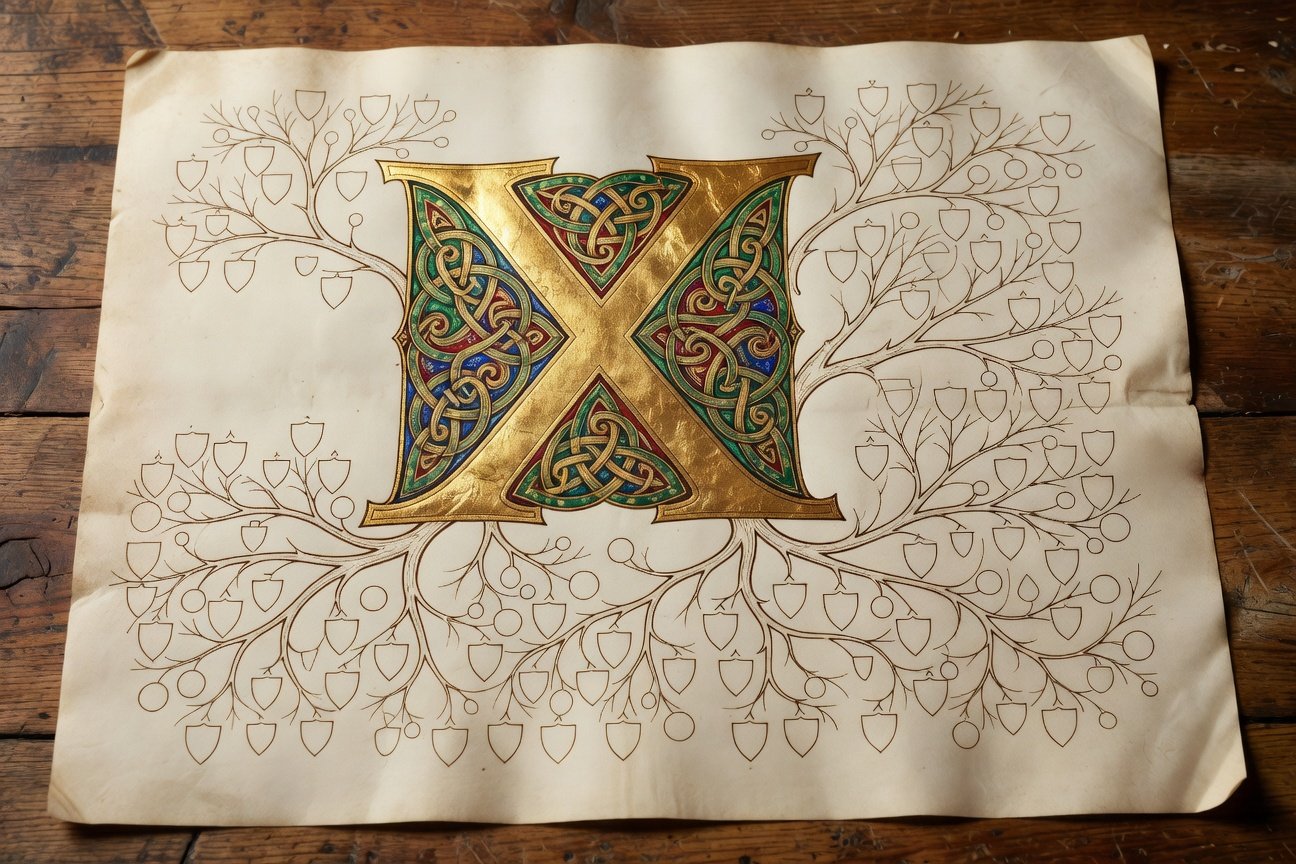
Why Surnames Starting With X Are So Rare
Surnames starting with X represent some of the most uncommon family names in the world, accounting for less than 0.1% of all documented surnames globally. This rarity stems from the limited use of the letter X as an initial consonant in most languages, particularly in European naming traditions that form the backbone of Western surname systems. The letter X typically appears in the middle or end of words rather than at the beginning, making it an unusual choice for family name formation.
The scarcity of surnames beginning with X becomes even more pronounced when examining historical naming patterns. Most European cultures developed their hereditary surname systems between the 11th and 16th centuries, drawing from occupational terms, geographical locations, patronymic traditions, and descriptive characteristics. Since few words in these languages naturally began with X, the opportunities for X-surnames to emerge organically were severely limited. Additionally, the phonetic complexity of X-initial sounds made them less likely to persist through generations of oral transmission, as families often simplified difficult pronunciations over time.
Greek Origins: The Xenakis and Xanthos Families
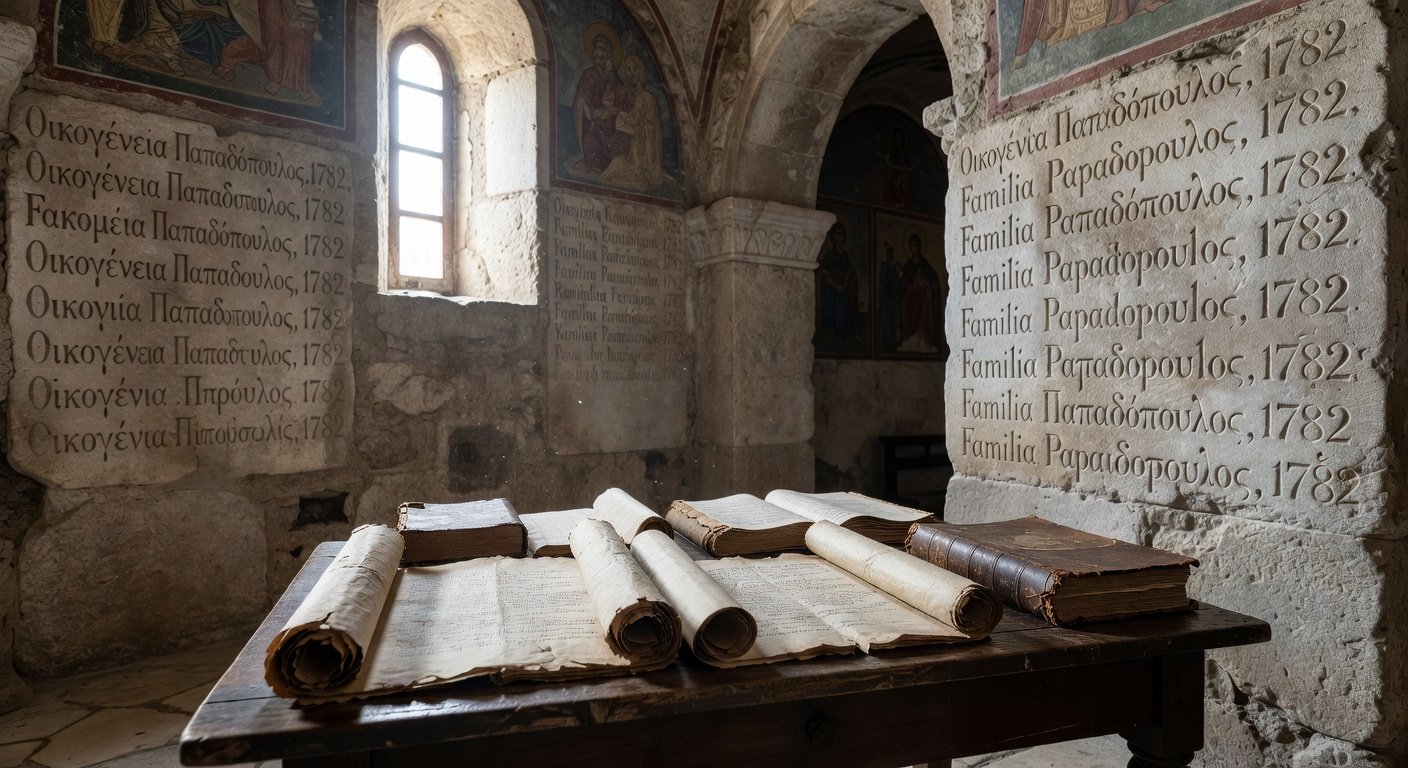
Greek surnames beginning with X form the largest category of last names starting with X, primarily because the Greek alphabet includes the letter Xi (Ξ), which transliterates to X in Latin script. The surname Xenakis, perhaps the most recognizable X-surname globally, derives from the Greek word ‘xenos’ meaning stranger or foreigner. This name gained international recognition through composer Iannis Xenakis, whose avant-garde musical works brought attention to this rare family name. The Xenakis family traditionally hailed from regions of Greece where interaction with foreign traders and travelers was common, leading to the adoption of this descriptive surname.
Another prominent Greek surname starting with X is Xanthos, derived from the ancient Greek word ‘xanthos’ meaning yellow or golden. This surname often indicated families with blonde or light-colored hair, which was relatively uncommon in Mediterranean populations. The name also connects to Xanthos, an ancient Lycian city in modern-day Turkey, suggesting some bearers of this surname may have ancestral ties to this historically significant region. Greek immigration patterns in the 19th and 20th centuries spread these surnames to countries like the United States, Australia, and Canada, where they remain concentrated within Greek-American communities.
Xerxes: A Name Rooted in Persian Royalty
The surname Xerxes carries extraordinary historical weight, tracing back to the ancient Persian king Xerxes I, who ruled the Achaemenid Empire from 486 to 465 BCE. This name, meaning ‘ruler over heroes’ in Old Persian, transformed from a royal title into a hereditary surname through various cultural adaptations. Families bearing the Xerxes surname often claim Persian, Armenian, or Greek heritage, as these cultures maintained historical connections to the ancient Persian Empire. The name survived through centuries of political upheaval in the Middle East, preserved by families who valued their connection to this legendary monarch.
Chinese Surnames Beginning With X in Western Transliteration
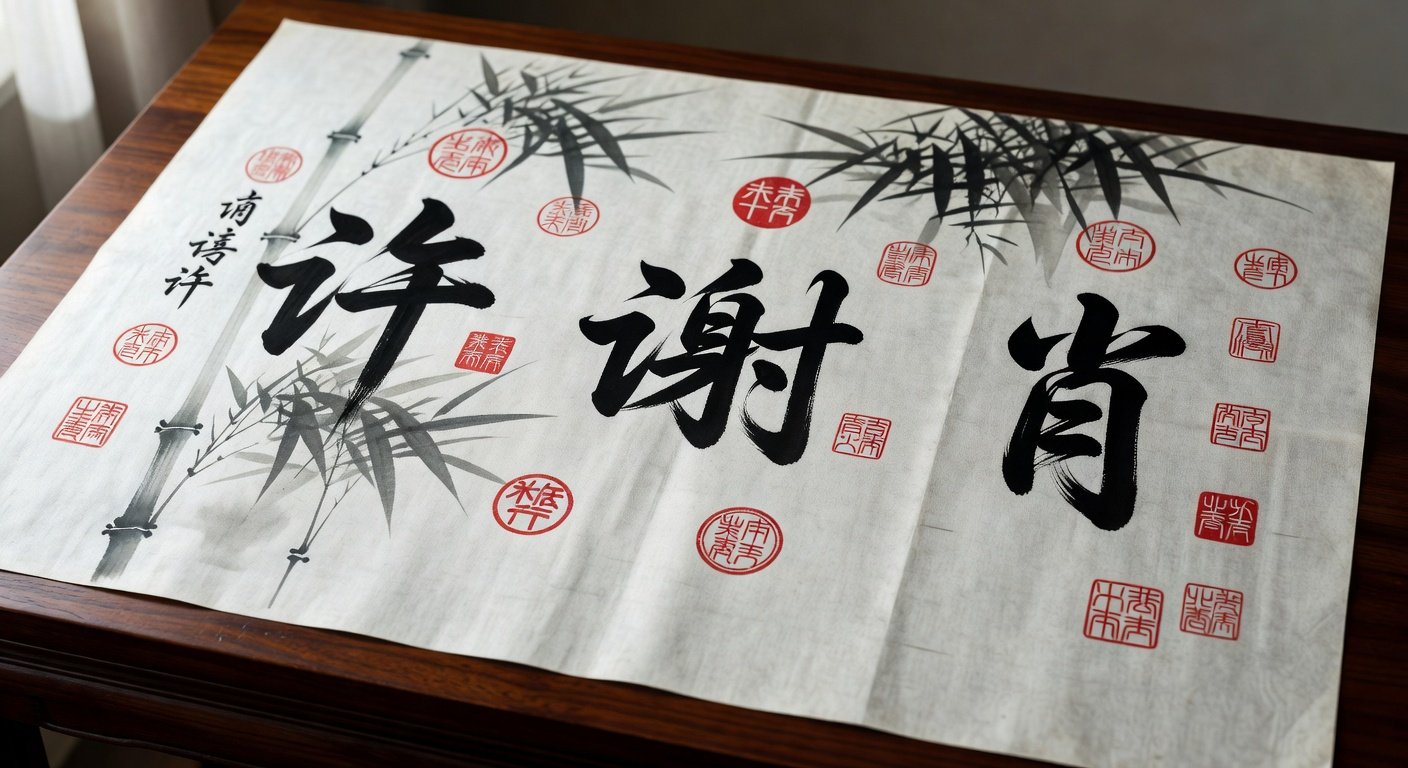
Chinese surnames starting with X in romanized form represent a fascinating intersection of linguistic transliteration and cultural preservation. The surname Xu (徐), one of the most common Chinese family names, appears as an X-surname when transliterated using Pinyin romanization. This surname, meaning ‘slowly’ or ‘gently,’ traces back over 4,000 years to the ancient Xu Kingdom during the Shang Dynasty. Millions of people worldwide carry this surname, making it statistically one of the most populous surnames beginning with X, despite its rarity in Western contexts.
Other significant Chinese surnames beginning with X include Xie (谢), meaning ‘to thank,’ and Xiao (肖), meaning ‘similar’ or ‘resembling.’ These names reflect the Chinese tradition of surnames carrying meaningful concepts rather than simply identifying ancestral origins. The global diaspora of Chinese communities has spread these X-surnames to every continent, creating interesting genealogical challenges for researchers who must navigate between traditional Chinese characters, various romanization systems, and local adaptations. Immigration records often show multiple spelling variations of the same Chinese surname, as officials attempted to phonetically capture unfamiliar sounds using Western alphabets.
Xiang and Xing: Regional Chinese Family Names
The Chinese surname Xiang (向) holds particular significance as it represents both a direction (meaning ‘toward’ or ‘facing’) and a geographical designation. Historically, families with the Xiang surname often originated from regions along the Xiang River in Hunan Province, one of China’s major waterways. This geographical connection demonstrates how Chinese surname formation often reflected the intimate relationship between families and their ancestral landscapes. The Xing surname (邢), meaning ‘punishment’ or ‘law,’ traditionally indicated families with connections to legal administration or judicial roles in imperial China, showcasing how occupational elements influenced Chinese naming conventions.
European X-Surnames: Xavier and Its Variations
The surname Xavier stands as one of the most internationally recognized last names starting with X, originating from the Basque region spanning modern-day Spain and France. The name derives from the Basque ‘etxeberria,’ meaning ‘new house’ or ‘new home,’ which evolved through various linguistic transformations into its current form. Saint Francis Xavier, the 16th-century Jesuit missionary, popularized this name throughout the Catholic world, leading to its adoption as both a given name and surname across multiple cultures. The Xavier family name spread throughout the Iberian Peninsula during the medieval period, carried by noble families who traced their lineage to the original Basque homeland.
Portuguese and Spanish colonial expansion carried the Xavier surname to Brazil, Mexico, the Philippines, and other territories, where it took root in local populations through intermarriage and cultural assimilation. Today, Xavier appears in various forms across different languages: Javier in Spanish, Saverio in Italian, and Xabier in modern Basque. Each variation reflects the phonetic adaptations necessary for the name to function within different linguistic systems while maintaining its essential identity. Genealogical research involving the Xavier surname often requires understanding these multiple variations and their geographical distributions to trace family connections accurately.
Ximenes: A Sephardic Jewish Heritage
The surname Ximenes represents a fascinating example of Sephardic Jewish naming traditions, originating from the Hebrew name Shimon (Simon) through Arabic and Spanish linguistic filters. This surname emerged during the medieval period in the Iberian Peninsula, where Jewish communities adapted their Hebrew names to fit local pronunciation patterns and social expectations. The X in Ximenes reflects the medieval Spanish practice of using X to represent the ‘sh’ sound, a convention that disappeared from modern Spanish but survived in certain surnames. Families bearing the Ximenes name often faced forced conversion during the Spanish Inquisition, leading some to maintain their surname while others adopted entirely new identities to escape persecution.
Modern Distribution and Genealogical Challenges
Contemporary distribution patterns of surnames beginning with X reveal fascinating insights into migration, cultural preservation, and linguistic adaptation. United States census data shows concentrations of X-surnames in specific metropolitan areas, particularly cities with large immigrant populations such as New York, Los Angeles, and San Francisco. Greek X-surnames cluster in areas with established Greek-American communities, while Chinese X-surnames appear wherever significant Chinese diaspora populations have settled. This geographical clustering creates unique opportunities for genealogical research, as families with rare surnames often maintain stronger community connections and oral history traditions.
Genealogical research involving surnames starting with X presents both advantages and challenges for family historians. The rarity of these names can make individual families easier to track through historical records, as there are fewer potential matches to sort through when searching databases. However, this same rarity can create gaps in documentation, particularly for families who changed their names due to discrimination, simplification, or clerical errors. Immigration records frequently show spelling variations of X-surnames, as officials unfamiliar with foreign languages attempted to phonetically capture names using familiar letter combinations. Modern DNA testing has become particularly valuable for X-surname research, as it can confirm family connections despite documentary gaps or name changes.
Preserving X-Surname Heritage in the Digital Age
Digital genealogy platforms have revolutionized research possibilities for families with surnames starting with X, creating global databases that can connect relatives across continents and generations. Specialized forums and social media groups dedicated to specific X-surnames have emerged, allowing family members to share photographs, documents, and oral histories that might otherwise be lost. These digital communities often serve as repositories for cultural knowledge, preserving not just genealogical connections but also traditions, recipes, and stories that define family identity. The collaborative nature of online genealogy has proven particularly beneficial for X-surname families, whose small numbers make traditional research methods more challenging but also create stronger incentives for cooperation and information sharing.
Frequently Asked Questions
What is the most common surname starting with X?
The Chinese surname Xu (徐) is statistically the most common surname beginning with X worldwide, carried by millions of people primarily in China and Chinese diaspora communities. In Western contexts, Xavier is likely the most recognizable X-surname.
Why are surnames beginning with X so rare?
X-surnames are rare because few languages naturally begin words with the letter X. Most European surname systems developed when X was primarily used in the middle or end of words, limiting opportunities for X-initial family names to emerge organically.
Are Greek surnames starting with X actually pronounced with an X sound?
Many Greek surnames starting with X are pronounced with a ‘ks’ sound, as the Greek letter Xi (Ξ) transliterates to X in Latin script. However, pronunciation can vary depending on regional dialects and family traditions.
How do I research my X-surname family history?
Start with DNA testing and online genealogy databases, as X-surnames are rare enough to create fewer false matches. Connect with surname-specific groups on social media and genealogy forums, where other families often share valuable research and documentation.
Did families with X-surnames face discrimination?
Some families with X-surnames, particularly those of foreign origin, faced discrimination that led to name changes or simplification. Immigration officials often altered spellings, and some families voluntarily changed their names to avoid prejudice or improve social acceptance.
Ready to Explore Your X-Surname Heritage?
Whether your family carries a rare X-surname or you’re researching these fascinating family names, professional genealogical guidance can help uncover hidden connections and preserve your family’s unique story. Our experienced genealogists specialize in rare surname research and can navigate the complex linguistic and cultural factors that make X-surname genealogy both challenging and rewarding. Contact us today to begin your journey into your family’s remarkable heritage.