
The Rarity of Surnames Starting With U
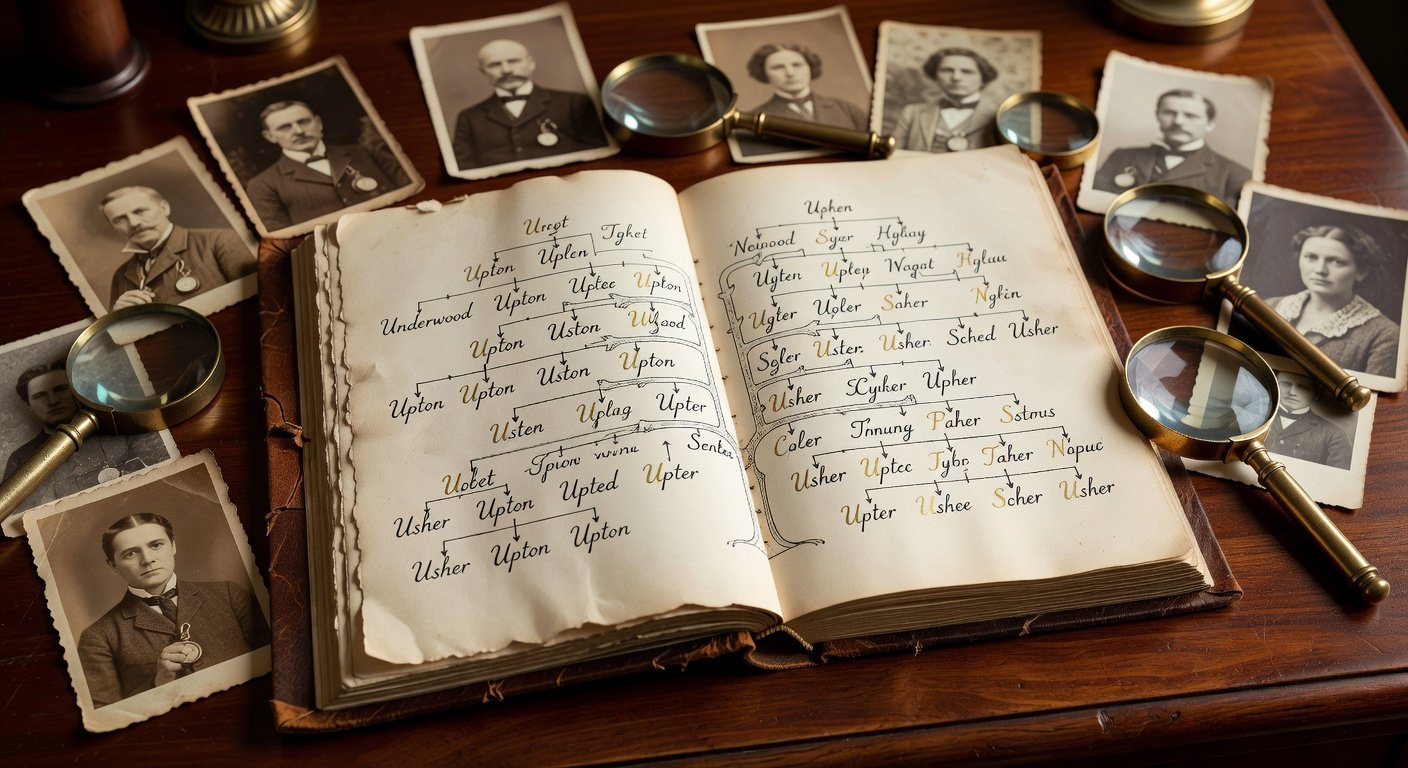
Surnames starting with U represent some of the most intriguing and uncommon family names found across various cultures and regions. These last names starting with u often carry fascinating stories of migration, occupation, geography, and cultural identity. Unlike more common surname initials such as S or M, surnames beginning with u comprise less than 2% of all documented family names worldwide. This rarity makes them particularly valuable for genealogical research, as they often provide clearer pathways for tracing family lineages and ancestral connections.
The scarcity of surnames starting with u stems from linguistic patterns in many European languages, where the letter U rarely begins words in traditional naming conventions. However, this uncommon nature has preserved unique cultural identities and regional histories within these family names. Many surnames beginning with u originated from specific geographical locations, occupational roles, or descriptive characteristics that were significant to particular communities. Understanding these origins helps genealogists and family historians piece together ancestral stories that might otherwise remain hidden in historical records.
English Surnames Starting With U
English surnames starting with u often derive from geographical features, place names, or descriptive characteristics. Underwood stands as one of the most recognizable English last names starting with u, originating from families who lived near or within wooded areas beneath larger forests. This topographical surname appeared in medieval England when communities identified residents by their proximity to natural landmarks. The name Underhill follows similar patterns, describing families dwelling at the base of hills or elevated terrain. These geographical surnames became hereditary as communities grew and formal record-keeping systems developed during the Norman period.
Upshaw represents another prominent English surname beginning with u, derived from the Old English words meaning ‘upper wood’ or ‘higher grove.’ Historical records show Upshaw families concentrated in Yorkshire and Lancashire regions during the 13th and 14th centuries. The surname Upton, meaning ‘upper town’ or ‘higher settlement,’ appears frequently in English parish records and indicates families from elevated village locations. These place-based surnames starting with u provide valuable clues for genealogical research, as they often correspond to specific geographical regions where ancestral families established roots centuries ago.
Notable English U Surnames and Their Meanings
Urquhart stands out among English surnames starting with u, though its origins trace to Scottish Gaelic meaning ‘by the wood.’ This surname demonstrates how cultural migration influenced English naming patterns over centuries. Usher represents an occupational surname beginning with u, describing individuals who served as doorkeepers or court officials in medieval households. The surname Utterback, while less common, derives from Germanic roots meaning ‘outer stream’ and reflects early settlement patterns along waterways. These diverse origins within English surnames starting with u illustrate the complex cultural influences that shaped British family naming traditions throughout history.
European Surnames Beginning With U
European surnames starting with u showcase remarkable diversity across different linguistic and cultural traditions. Ukrainian surnames beginning with u include Udovenko, meaning ‘son of the widow,’ and Ulyanenko, derived from the given name Ulyana. These patronymic surnames reflect Slavic naming conventions where family names indicated paternal lineage or maternal circumstances. German surnames starting with u such as Ulrich, meaning ‘noble ruler,’ and Unger, referring to Hungarian origins, demonstrate how personal characteristics and geographical associations influenced surname development. Polish surnames beginning with u like Urbaniak, derived from urban dwellers, show how occupational and residential factors shaped family naming patterns.
Scandinavian countries contributed unique surnames starting with u through their distinctive naming traditions. Norwegian surnames beginning with u include Ulvestad, meaning ‘wolf place,’ and Underdal, referring to valley locations. Swedish surnames starting with u such as Ullman, meaning ‘wool man,’ reflect occupational origins in textile trades. These Nordic surnames beginning with u often incorporate natural elements like animals, geographical features, or seasonal references that held cultural significance in Scandinavian societies. The preservation of these surnames starting with u provides insight into historical settlement patterns, trade relationships, and cultural values across European regions.
Italian and Spanish U Surnames
Italian surnames starting with u include Umberto, derived from the Germanic name meaning ‘bright warrior,’ and Uberti, indicating noble lineage from medieval Italian families. Spanish surnames beginning with u such as Uribe, meaning ‘below the town,’ and Urrutia, referring to distant places, reflect geographical and topographical origins common in Iberian naming traditions. These Romance language surnames starting with u often incorporate Latin roots that evolved through regional dialects over centuries. The distribution of these surnames beginning with u across Italy and Spain correlates with historical migration patterns, trade routes, and political boundaries that influenced family settlement and cultural exchange throughout the Mediterranean region.
Asian and Global Surnames Starting With U
Asian cultures have contributed distinctive surnames starting with u that reflect diverse linguistic traditions and cultural values. Japanese surnames beginning with u include Ueda, meaning ‘upper rice field,’ and Uchida, referring to ‘inner rice field,’ which demonstrate the agricultural significance in Japanese society. Chinese surnames starting with u are less common due to Mandarin phonetic patterns, but they exist in regional dialects and transliterations. Korean surnames beginning with u appear in romanized forms of names like Um and Un, representing different Chinese characters with varied meanings related to sound, clouds, or grace.
Indian surnames starting with u span multiple linguistic traditions, including Upadhyay from Sanskrit meaning ‘teacher’ or ‘priest,’ and Uppal, which has Punjabi origins. These surnames beginning with u often indicate caste, occupation, or regional identity within complex Indian social structures. African surnames starting with u appear in various tribal and colonial contexts, such as Ugandan names like Uwimana meaning ‘God gives’ in Kinyarwanda. The global distribution of surnames starting with u reflects historical migration patterns, colonial influences, and cultural adaptation as families moved across continents while maintaining connections to their ancestral naming traditions.

Researching Your U Surname Heritage
Genealogical research for surnames starting with u requires specialized approaches due to their relative rarity and diverse cultural origins. Begin by documenting all known variations and spellings of your surname beginning with u, as historical records often contain multiple versions due to transcription errors, phonetic spellings, or immigration processing changes. Utilize surname distribution databases to identify geographical concentrations of your last name starting with u, which can provide clues about ancestral origins and migration patterns. DNA testing combined with surname research offers powerful tools for connecting with distant relatives who share surnames beginning with u.
Historical records for surnames starting with u may appear in unexpected sources due to their uncommon nature. Church registers, immigration documents, military records, and census data often provide the most reliable information for tracing surnames beginning with u through different time periods. Consider consulting specialized ethnic genealogy resources when researching surnames starting with u from specific cultural backgrounds, as these repositories often contain detailed information about naming conventions, historical contexts, and family traditions. Professional genealogists experienced with surnames beginning with u can provide valuable assistance when standard research methods encounter obstacles or require specialized knowledge about particular cultural naming patterns.
Frequently Asked Questions
What are the most common surnames starting with U?
The most common surnames starting with U include Underwood, Upton, Upshaw, and Ulrich. These names appear frequently in English-speaking countries and have strong historical documentation in genealogical records.
Why are surnames beginning with U so uncommon?
Surnames beginning with U are uncommon because the letter U rarely starts words in many European languages that influenced surname development. This linguistic pattern resulted in fewer surnames starting with U compared to other letters.
How can I research the meaning of my surname starting with U?
Research your U surname by examining its linguistic origins, geographical distribution, and historical records. Use surname databases, etymology resources, and genealogical websites to trace its meaning and cultural background.
Are there differences between surnames starting with U across cultures?
Yes, surnames starting with U vary significantly across cultures. English names often derive from geography, while Slavic names may be patronymic, and Asian names frequently relate to nature or occupations.
What challenges exist when researching rare surnames starting with U?
Challenges include limited historical documentation, spelling variations in records, and potential confusion with similar surnames. The rarity can make it difficult to find sufficient records for comprehensive family tree research.
Ready to Explore Your Family History?
Whether your surname starts with U or any other letter, professional genealogical research can help uncover your family’s unique story. Our experienced genealogists specialize in tracing uncommon surnames and connecting families with their ancestral heritage. Contact us today to begin your personalized family history journey and discover the fascinating origins behind your family name.