
The Rich Heritage of Surnames That Start With N
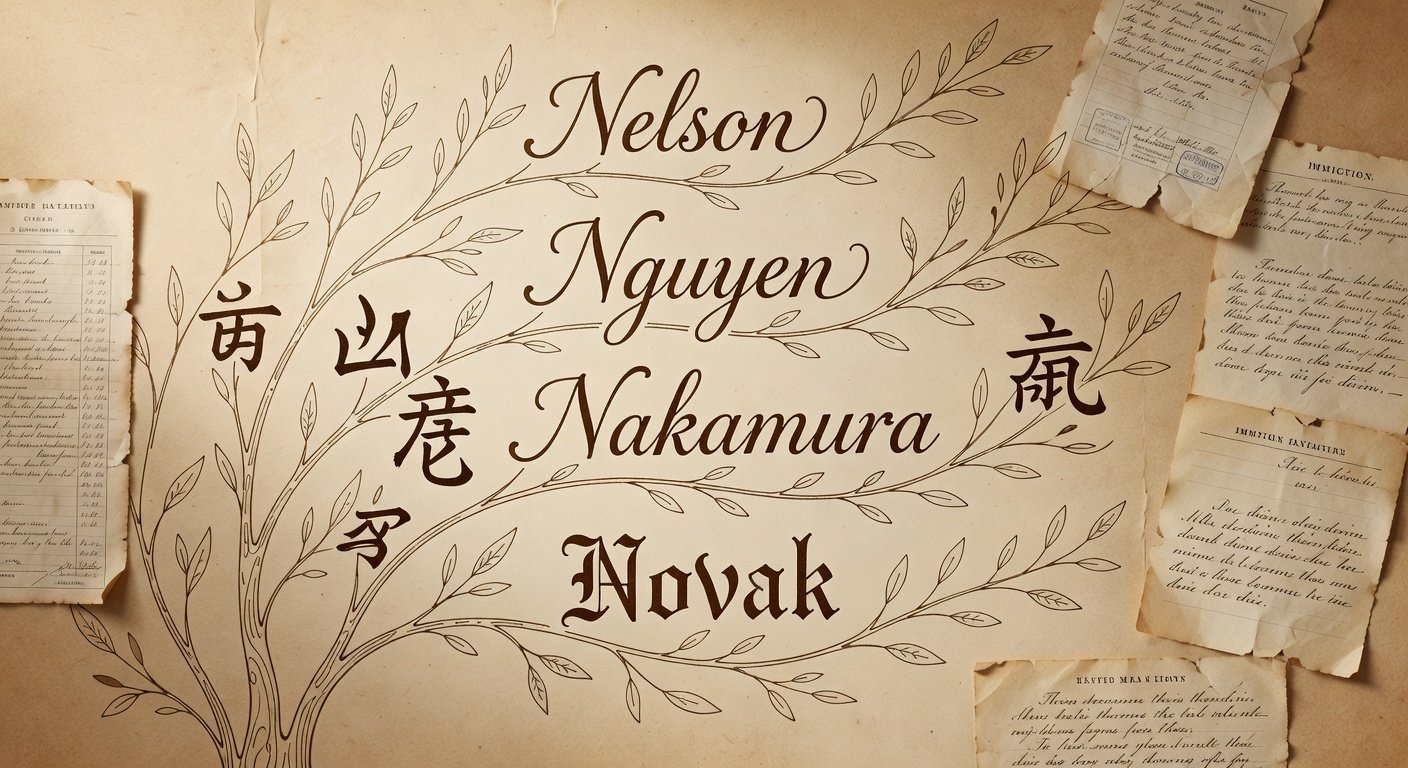
Surnames that start with N represent a fascinating cross-section of global naming traditions, spanning from ancient Norse patronymics to modern Vietnamese family names. These surnames beginning with n carry stories of geographic origins, occupational heritage, and cultural migration patterns that have shaped families for centuries. From the English Nelson meaning ‘son of Neil’ to the widespread Vietnamese Nguyen, each name holds clues about ancestral homelands and historical circumstances that influenced naming conventions.
The letter N appears prominently in surname systems worldwide, often indicating patronymic origins where names were formed by adding prefixes or suffixes to given names. Many last names starting with n evolved from medieval practices where individuals were identified by their father’s name, occupation, or place of residence. Understanding these naming patterns helps genealogists trace family lineages and provides insight into the social structures of past civilizations. Whether derived from Germanic, Celtic, Slavic, or Asian linguistic roots, these surnames continue to connect modern families to their ancestral heritage.
Common English and Germanic Surnames Beginning With N
English surnames that start with N often trace their origins to Anglo-Saxon and Norman influences following the 1066 conquest. Nelson, one of the most recognizable surnames beginning with n, derives from the medieval given name Neil combined with the patronymic suffix ‘-son.’ This naming pattern became standardized during the 13th and 14th centuries when hereditary surnames became mandatory for tax and legal purposes. Other prominent English N surnames include Newton (meaning ‘new town’), Newman (referring to a newcomer to a community), and Nash (from the Middle English ‘atten ash,’ meaning ‘at the ash tree’).
Germanic surnames starting with N frequently reflect occupational or descriptive origins. Names like Neumann (meaning ‘new man’ in German) and Niedermeyer (referring to a farm manager or steward) demonstrate how medieval German society organized itself around trades and social roles. The surname Nolte, common in northern Germany, derives from a nickname meaning ‘famous’ or ‘renowned.’ These Germanic naming traditions spread throughout Central Europe and later traveled to America through immigration waves of the 18th and 19th centuries, where many families anglicized their original spellings while maintaining their cultural significance.

Patronymic Traditions in Northern European N Surnames
Scandinavian countries developed distinctive patronymic systems that produced numerous surnames that start with N. Norwegian and Danish families often used the prefix ‘Ni-‘ or ‘Nis-‘ derived from Nicholas, creating surnames like Nielsen (son of Nils) and Nilsen (son of Nil). These patronymic traditions remained fluid for centuries, with surnames changing each generation based on the father’s given name. Iceland still maintains this system today, though most Scandinavian countries transitioned to fixed family names during the 19th and early 20th centuries. Swedish surnames beginning with n include Nordström (meaning ‘north stream’) and Nyberg (meaning ‘new mountain’), reflecting the geographic landscape that influenced naming conventions.
Asian Surnames Starting With N and Their Cultural Significance
Vietnamese surnames that start with N dominate this category globally, with Nguyen being the most common surname in Vietnam and among Vietnamese diaspora communities worldwide. Nguyen originally referred to a musical instrument and later became associated with the ruling Nguyen dynasty that governed Vietnam from 1802 to 1945. The prevalence of this surname results from historical practices where commoners adopted royal family names during periods of political change. Other Vietnamese surnames beginning with n include Ngo, which has Chinese origins meaning ‘five,’ and Nhan, meaning ‘benevolent’ or ‘kind.’
Chinese surnames starting with N include Ni (倪), which ranks among the more common Chinese family names and originates from an ancient state during the Spring and Autumn period. The surname Nie (聂) traces back to a feudal territory and carries meanings related to whispering or speaking softly. Japanese surnames beginning with n, such as Nakamura (meaning ‘middle village’) and Nishimura (meaning ‘west village’), typically describe geographic locations or landscape features. Korean surnames starting with N are less common but include Nam (남), meaning ‘south,’ and No (노), which has various meanings depending on the Chinese characters used.
Indian Subcontinent Surnames Beginning With N
Indian surnames that start with N reflect the subcontinent’s diverse linguistic and cultural traditions. Names like Nair originate from Kerala and traditionally indicated membership in a warrior caste, while Nayak (meaning ‘leader’ or ‘chief’) appears across multiple Indian states with slight regional variations. Bengali surnames beginning with n include Nag (meaning ‘serpent’ and often associated with certain Hindu deities) and Nandi (referring to the sacred bull of Lord Shiva). Punjabi Sikh families often use surnames like Nagra and Nahal, which may reference ancestral villages or clan affiliations. These naming traditions often encode information about caste, region, occupation, or religious affiliation within Indian social structures.
Slavic and Eastern European Last Names Starting With N
Slavic surnames beginning with n demonstrate the complex linguistic evolution of Eastern European naming systems. Russian surnames like Novikov (meaning ‘son of the new one’) and Nikolaev (patronymic from Nicholas) showcase typical Slavic patronymic formations using the suffixes ‘-ov,’ ‘-ev,’ or ‘-in.’ Polish surnames starting with N include Nowak (meaning ‘newcomer’), one of the most common Polish family names, and Nowakowski (meaning ‘from Nowakowo’). Czech surnames such as Novák (also meaning ‘newcomer’) and Neumann demonstrate both Slavic and Germanic influences in Central European naming traditions.
Ukrainian surnames that start with N often reflect geographic origins or occupational backgrounds. Names like Nesterenko (patronymic from Nestor) and Nazarenko (from Nazariy) follow typical Ukrainian patronymic patterns with the distinctive ‘-enko’ suffix. Croatian and Serbian surnames beginning with n include Nikolic (son of Nikola) and Nedeljkovic (from Nedeljko, meaning ‘Sunday’). These Slavic naming conventions spread throughout the Balkans and were later carried to North America, Australia, and other destinations during major migration periods of the late 19th and early 20th centuries.
Geographic and Topographic Surnames That Start With N
Many surnames beginning with n derive from geographic features or place names, reflecting humanity’s deep connection to landscape and location. English surnames like Northcott (meaning ‘north cottage’) and Norwood (meaning ‘north wood’) indicate ancestral homes relative to geographic landmarks. Scottish surnames such as Napier (originally meaning ‘keeper of table linen’ but also associated with place names) and Nairn (from the Scottish town) demonstrate how location-based naming evolved. French surnames starting with N include Normandin (from Normandy) and Noel (originally meaning ‘Christmas’ but also associated with various French localities).
Spanish and Portuguese surnames that start with N often reference geographic features or settlements. Names like Navarro (meaning ‘from Navarre’) and Núñez (patronymic from Nuño) reflect Iberian naming traditions that combined patronymic and geographic elements. Italian surnames beginning with n include Napolitano (meaning ‘from Naples’) and Neri (meaning ‘black’ or ‘dark,’ possibly referring to hair color or complexion). These geographic surnames help genealogists identify potential regions of origin and track migration patterns as families moved between countries and continents over generations.
Frequently Asked Questions
What is the most common surname that starts with N?
Nguyen is the most common surname starting with N globally, primarily due to its prevalence in Vietnam where it’s used by approximately 40% of the population. In English-speaking countries, Nelson and Nelson-derived names are among the most frequent N surnames.
Do surnames beginning with N have specific meanings?
Yes, most surnames that start with N have specific meanings rooted in their linguistic origins. These can indicate patronymic relationships (Nelson = son of Neil), occupations (Naylor = nail maker), geographic features (Newton = new town), or descriptive characteristics from their original languages.
How can I research the origin of my N surname?
Research your N surname by examining its linguistic roots, checking historical records from your family’s country of origin, using genealogy databases, and consulting surname dictionaries. Consider the spelling variations and geographic distribution patterns to trace your family’s migration history.
Are there regional variations in surnames starting with N?
Yes, surnames beginning with N show distinct regional patterns. Scandinavian countries favor patronymic forms like Nielsen, Germanic regions use occupational names like Neumann, Asian countries have names like Nguyen and Nakamura, while Slavic regions feature surnames like Novak and Nikolaev.
Ready to Explore Your N Surname Heritage?
Tracing the origins of your surname can reveal fascinating insights about your family’s history, migration patterns, and cultural heritage. Our comprehensive genealogy research services help you uncover the stories behind surnames that start with N and connect you with your ancestral roots. Contact our experienced genealogists today to begin your personalized family history journey and discover the rich heritage encoded in your family name.