
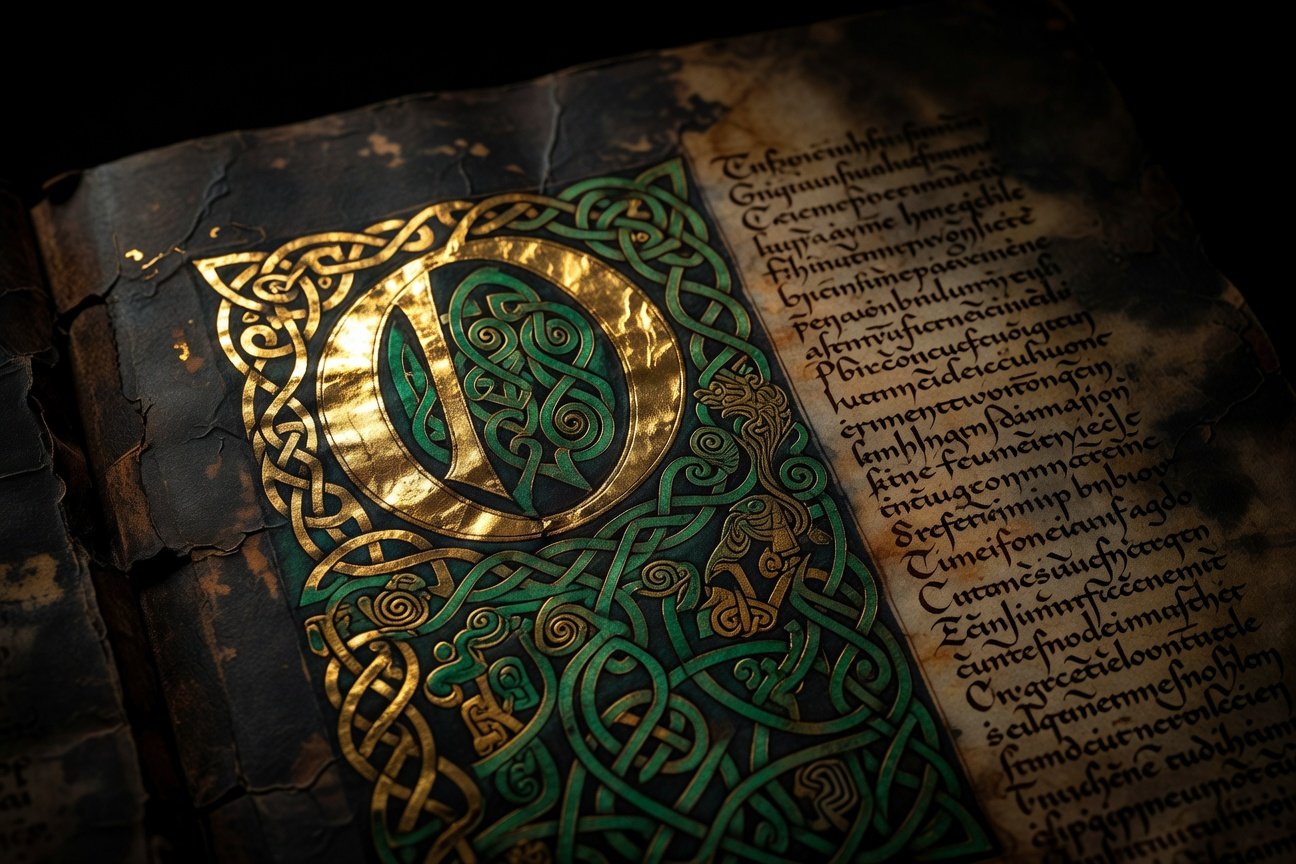
The Rich Heritage of Surnames Beginning With O
Surnames starting with O represent one of the most culturally diverse collections of family names found across the globe. From the distinctly Irish O’ prefixes that dominated medieval Gaelic society to the elegant Italian surnames that emerged from Renaissance city-states, these family names carry centuries of history within their syllables. The letter O serves as a gateway to understanding migration patterns, cultural exchanges, and the evolution of naming conventions across different civilizations. Whether your family name begins with O’Brien, Olivetti, or Olsen, each surname tells a unique story of ancestry, geography, and social structure.
The prevalence of surnames beginning with O varies significantly across different regions and cultures. In Ireland, the O’ prefix traditionally means ‘descendant of’ or ‘grandson of,’ creating patronymic surnames that have survived for over a thousand years. Italian surnames starting with O often derive from occupational terms, geographical locations, or personal characteristics. Germanic and Scandinavian cultures contributed surnames like Olsen and Otto, while Eastern European traditions brought names such as Orlowski and Ostrowski. Understanding these diverse origins helps genealogists trace family histories and connect with ancestral homelands through linguistic and cultural analysis.
Irish O’ Surnames: Ancient Gaelic Traditions
The Irish O’ prefix represents one of the oldest continuous surname traditions in Europe, dating back to the 10th century when Gaelic clans began adopting hereditary family names. These surnames beginning with O’ literally translate to ‘descendant of’ followed by an ancestor’s name or characteristic. O’Brien derives from Brian Boru, the legendary High King of Ireland, while O’Connor stems from Conchobhar, meaning ‘lover of hounds.’ O’Sullivan originates from Súilleabhán, referring to ‘dark-eyed one,’ and O’Kelly comes from Ceallach, meaning ‘bright-headed.’ These names weren’t merely identifiers but proclaimed clan allegiance, territorial claims, and social status within medieval Irish society.
The historical significance of O’ surnames extends beyond simple genealogy into the realm of Irish cultural identity and resistance. During English colonization, many Irish families were forced to anglicize or abandon their O’ prefixes as part of systematic cultural suppression. The Penal Laws of the 17th and 18th centuries specifically targeted Gaelic naming conventions, leading many families to drop the O’ entirely or adopt English equivalents. However, the Irish cultural revival of the 19th and 20th centuries saw many families reclaiming their ancestral O’ surnames as acts of cultural pride and historical connection. Today, surnames like O’Malley, O’Donnell, and O’Reilly serve as living links to Ireland’s pre-colonial Gaelic heritage.
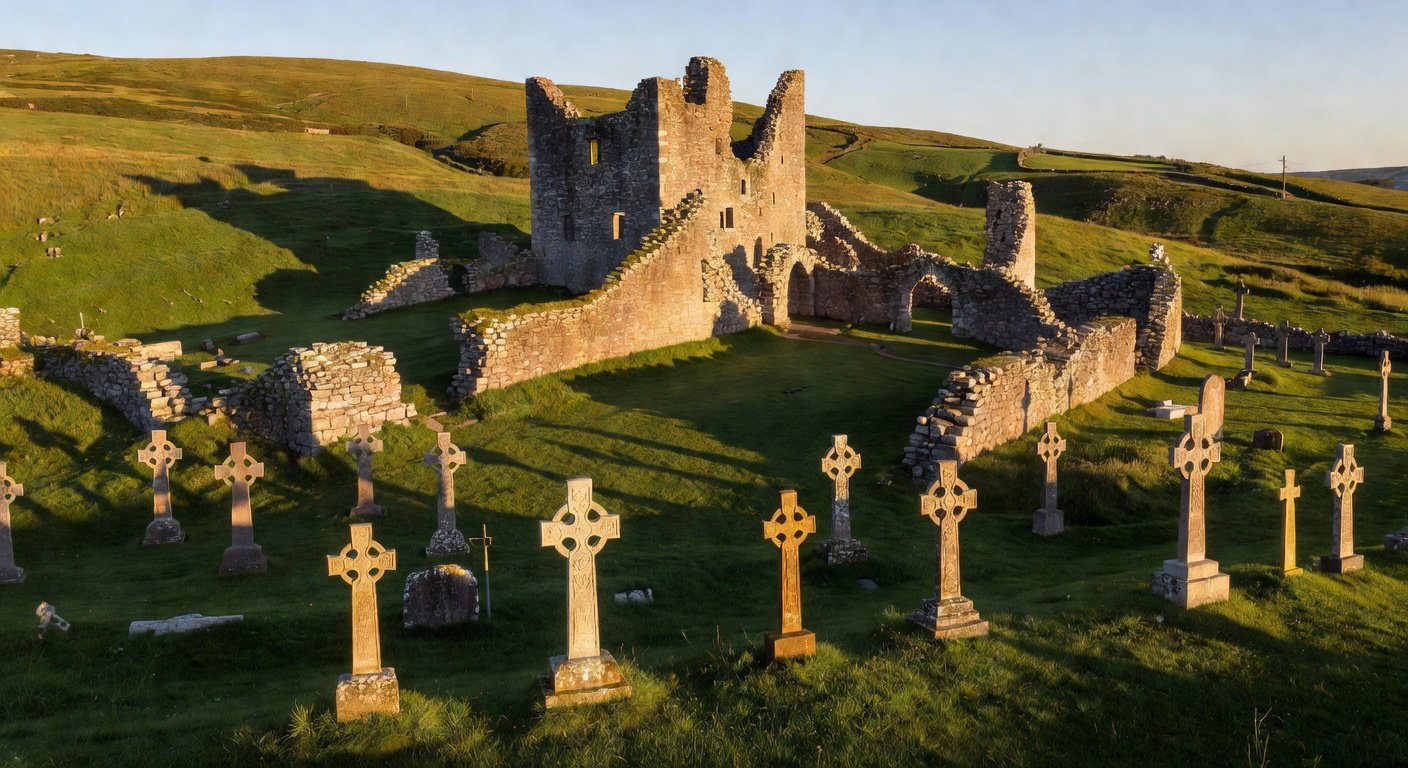
Most Common Irish O’ Surnames and Their Meanings
Among the most widespread Irish surnames starting with O, several stand out for their historical importance and current global distribution. O’Brien, carried by over 200,000 people worldwide, traces back to the powerful Dalcassian dynasty of Munster. O’Connor, with approximately 150,000 bearers, represents multiple distinct clans from Connacht and other provinces. O’Sullivan ranks among the most common Irish surnames globally, with concentrations in Cork and Kerry counties. O’Neill, meaning ‘descendant of Niall,’ connects to the legendary Niall of the Nine Hostages, while O’Murphy derives from Murchadh, meaning ‘sea warrior.’ These surnames beginning with O continue to serve as cultural ambassadors for Irish heritage across diaspora communities in America, Australia, and beyond.
Italian Surnames Starting With O: Renaissance Legacy
Italian last names starting with O reflect the complex history of the Italian peninsula, from ancient Roman influences to medieval city-states and regional dialects. Surnames like Olivetti derive from ‘oliveto,’ meaning olive grove, indicating ancestral connections to agricultural regions famous for olive cultivation. Orsini, one of Italy’s most powerful noble families, takes its name from ‘orso,’ meaning bear, symbolizing strength and ferocity. Orlando stems from the Germanic ‘Hruodland,’ meaning famous land, brought to Italy during Lombard invasions. Ottaviani indicates ‘eighth son’ or connection to Emperor Octavian, while Orlandi suggests descent from Roland, the legendary Frankish knight celebrated in medieval literature.
The geographical distribution of Italian surnames beginning with O reveals fascinating patterns of internal migration and regional identity. Northern Italian surnames like Olivieri and Orlandini often show Germanic or French influences, reflecting centuries of cultural exchange across Alpine passes. Central Italian names such as Ottaviani and Orsini frequently connect to papal territories and Roman aristocracy. Southern Italian surnames starting with O, including Oliva and Orlando, often blend Latin roots with Greek, Arabic, or Norman elements, creating unique linguistic combinations that tell stories of conquest, trade, and cultural synthesis. These naming patterns help genealogists identify specific regional origins within Italy’s diverse cultural landscape.
Regional Variations in Italian O Surnames
The evolution of Italian surnames starting with O demonstrates remarkable regional diversity, with each area of Italy contributing distinct naming conventions and linguistic influences. In Lombardy and Piedmont, surnames like Olivetti and Orlandi show clear Germanic substrates, while Tuscan names such as Ottaviani reflect classical Latin heritage. Sicilian surnames beginning with O often incorporate Arabic elements, as seen in names like Oliva, which may derive from both Latin olive references and Arabic naming patterns. Venetian surnames starting with O frequently show Byzantine or Slavic influences due to extensive maritime trade connections. This regional variation makes Italian O surnames particularly valuable for genealogical research, as they can pinpoint ancestral origins to specific provinces or even individual towns.
Global Surnames Beginning With O: International Diversity
Beyond Irish and Italian traditions, surnames starting with O appear across virtually every culture and continent, each carrying unique linguistic and historical significance. Scandinavian surnames like Olsen and Olsson follow patronymic traditions, meaning ‘son of Ole’ or ‘son of Olaf,’ connecting to ancient Norse naming conventions. German surnames such as Otto and Oppenheimer reflect medieval Germanic society, with Otto deriving from wealth or fortune, while Oppenheimer indicates geographical origin from Oppenheim. Eastern European surnames beginning with O, including Orlowski from Poland and Ostrowski from various Slavic regions, typically reference geographical features like eagles (orzeł) or islands (ostrów), demonstrating the close relationship between surnames and landscape in Slavic cultures.
Asian and African cultures contribute their own rich traditions of surnames starting with O, often with completely different structural and meaning systems than European names. Japanese surnames like Ono (small field) and Ogawa (small river) reflect geographical features and agricultural connections. Chinese surnames beginning with O, though less common due to romanization systems, include names like Ou, which can mean lotus or gull depending on the characters used. African surnames starting with O vary tremendously across the continent, from Yoruba names like Okonkwo meaning ‘born on market day’ to Swahili surnames reflecting Islamic influences. These global variations demonstrate how the letter O serves as a universal starting point for family names while maintaining distinct cultural meanings and historical contexts.
Germanic and Scandinavian O Surnames
The Germanic and Scandinavian traditions of surnames beginning with O reveal fascinating insights into medieval Northern European society and naming conventions. Olsen, one of the most common Scandinavian surnames globally, literally means ‘son of Ole,’ with Ole itself deriving from the Old Norse name Óláfr, meaning ‘ancestor’s relic’ or ‘heirloom.’ Olsson follows similar patronymic patterns but uses the Swedish suffix rather than the Danish-Norwegian form. German surnames like Otto connect to the Old High German ‘odo,’ meaning wealth or fortune, and became popular due to several Holy Roman Emperors bearing this name. Oppenheimer, meaning ‘from Oppenheim,’ represents the German tradition of surnames derived from place of origin, specifically referencing the town of Oppenheim in Rhineland-Palatinate. These surnames beginning with O often indicate specific regional origins and can help genealogists trace family migrations across Northern Europe.
Frequently Asked Questions
What does the O’ prefix mean in Irish surnames?
The O’ prefix in Irish surnames means ‘descendant of’ or ‘grandson of’ in Gaelic tradition. It’s followed by an ancestor’s name or characteristic, creating patronymic surnames that have been used for over 1,000 years in Irish culture.
Are Italian surnames starting with O common?
Italian surnames beginning with O are moderately common and often derive from geographical locations, occupations, or personal characteristics. Examples include Olivetti (olive grove), Orsini (bear), and Orlando (famous land).
How can I research the origin of my O surname?
Research O surname origins by examining spelling variations, geographical distribution, and cultural context. Irish O’ surnames often connect to specific clans, while Italian O surnames may indicate regional origins or occupations.
Why did some Irish families drop the O’ prefix?
Many Irish families dropped the O’ prefix during English colonization due to the Penal Laws and cultural suppression. Some families later reclaimed their O’ surnames during the Irish cultural revival of the 19th and 20th centuries.
What are the most common surnames starting with O globally?
Common global surnames beginning with O include O’Brien, O’Connor, and O’Sullivan from Ireland; Olsen and Olsson from Scandinavia; and Oliveira from Portuguese-speaking regions. Distribution varies significantly by country and cultural background.
Ready to Explore Your O Surname Heritage?
Whether your family name starts with an Irish O’, Italian O, or comes from another cultural tradition, professional genealogical research can help you trace your ancestral origins and connect with your family’s unique history. Our experienced genealogists specialize in surname research and can help you build your family tree, locate historical records, and understand the cultural significance of your family name. Contact us today to begin your personalized surname research journey.