
The Connection Between Genealogy and Mormons: A Religious Foundation
The relationship between genealogy and Mormons stems from fundamental religious beliefs that distinguish the Church of Jesus Christ of Latter-day Saints from other Christian denominations. LDS doctrine teaches that families can be united for eternity through sacred temple ordinances, creating an eternal bond that extends beyond death. This belief system requires extensive family history research to identify ancestors who can receive these ordinances, either in person during their lifetime or by proxy after death. The concept of eternal families drives millions of LDS members worldwide to spend countless hours researching their lineage, creating the most comprehensive genealogical effort in human history.
Mormon family history work extends far beyond casual interest in ancestry. Church members view genealogy research as a sacred responsibility, believing they are literally helping to redeem their deceased ancestors. This religious imperative has transformed what might otherwise be a hobby into a systematic, organized effort spanning generations. The LDS church has institutionalized this practice, creating elaborate support systems, training programs, and technological resources to help members trace their family lines. Understanding this religious foundation explains why genealogy and Mormons are so closely connected and why the church has invested billions of dollars in preserving historical records from around the world.
FamilySearch: The Mormon Church’s Gift to Global Genealogy
FamilySearch.org represents the crown jewel of the LDS church’s genealogical efforts, offering free access to over 8 billion historical records and family trees to anyone worldwide, regardless of religious affiliation. Launched in 1999 as the successor to earlier Mormon genealogy initiatives, FamilySearch has become the world’s largest genealogy organization, digitizing records from over 100 countries and making them freely available online. The platform includes birth certificates, marriage records, death certificates, census data, military records, immigration documents, and church registers spanning centuries. This massive undertaking reflects the church’s commitment to making family history accessible to all humanity, not just LDS members seeking to perform temple ordinances.
The scope of FamilySearch’s operations extends far beyond simple record digitization. The organization operates the world’s largest genealogical library in Salt Lake City, Utah, housing over 2.4 million rolls of microfilm, 742,000 microfiche, and hundreds of thousands of books and periodicals. Additionally, FamilySearch maintains a network of family history centers in 70 countries, staffed largely by volunteer church members who provide free research assistance. The platform’s collaborative family tree feature allows users to work together on shared ancestry, creating connections between previously isolated family lines. This cooperative approach has resulted in the world’s largest connected family tree, with over 1.2 billion profiles representing humanity’s shared heritage.

How to Access and Use FamilySearch Resources
Getting started with FamilySearch requires only a free account creation process that takes minutes to complete. Users can begin by entering basic information about themselves and their immediate family members, then use the platform’s search tools to find historical records and potential relatives. The website’s intuitive interface guides beginners through the research process, offering hints and suggestions based on information already entered. Advanced users can access specialized collections, including probate records, land deeds, and court documents that provide deeper insights into ancestral lives. The platform’s mobile app extends research capabilities to smartphones and tablets, allowing users to photograph documents, record family stories, and update family trees while visiting relatives or conducting field research.
LDS Temples and Genealogy: The Sacred Purpose Behind the Research
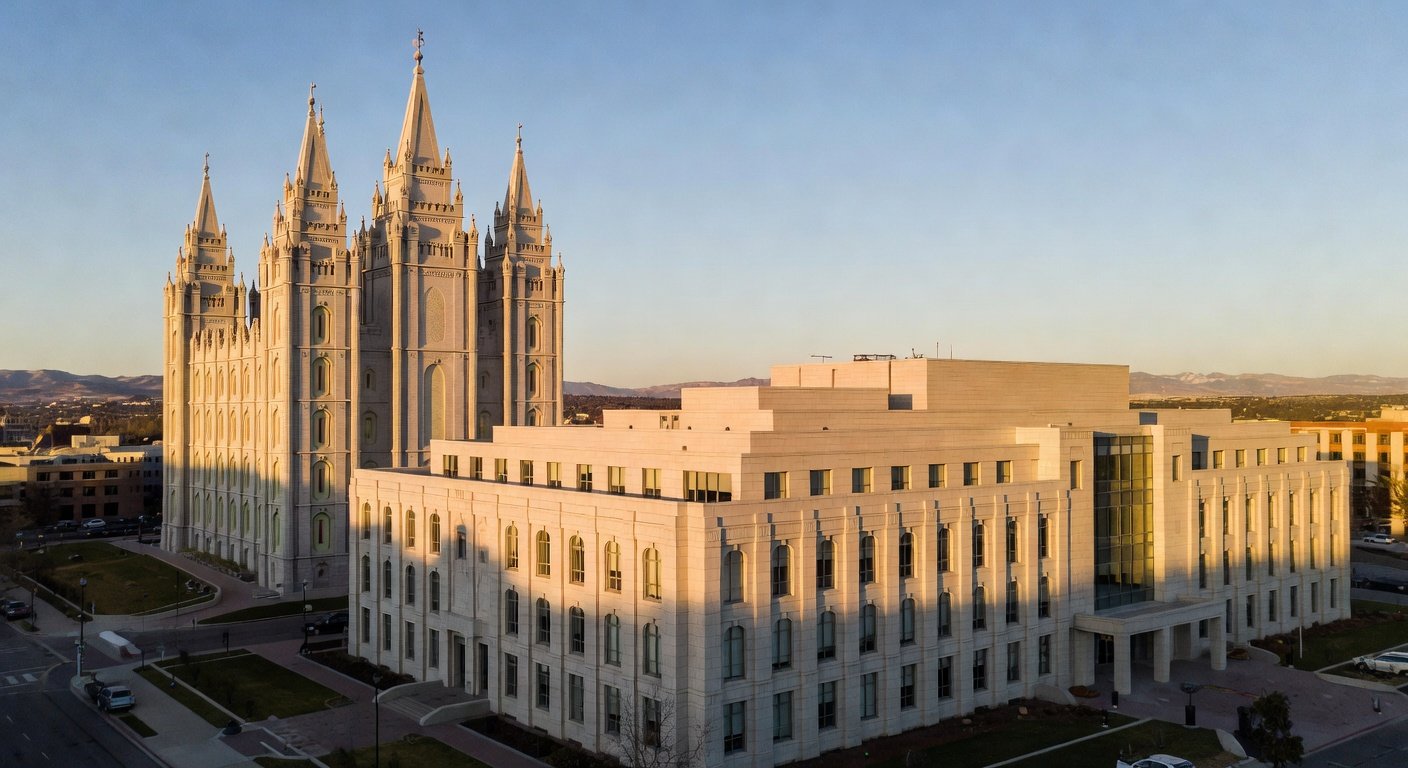
LDS genealogy research serves a specific religious purpose centered on temple ordinances performed for deceased ancestors. Mormon doctrine teaches that certain ordinances, including baptism, confirmation, and eternal marriage sealings, are necessary for salvation and must be performed either during life or by proxy after death. This belief creates an urgent need to identify as many ancestors as possible so these sacred ordinances can be completed on their behalf. Temple work represents the culmination of genealogical research for LDS members, transforming names and dates on family trees into spiritual connections that span generations. The church operates over 170 temples worldwide where these ordinances are performed daily by volunteer members acting as proxies for their deceased relatives.
The process of temple genealogy work follows strict protocols designed to prevent duplication and maintain accuracy. Before performing ordinances for deceased individuals, church members must verify that the person has been deceased for at least one year and that the ordinances haven’t already been completed. This requirement has led to sophisticated record-keeping systems and quality control measures that benefit the entire genealogical community. The church’s emphasis on accurate documentation has resulted in some of the most reliable genealogical databases available, as temple work depends on precise identification of individuals and their family relationships. This religious motivation has inadvertently created invaluable resources for secular genealogy research.

Understanding Mormon Temple Records and Genealogy
Mormon temple records provide unique insights into family relationships and genealogical connections that aren’t available through traditional sources. These records document ordinances performed for specific individuals, creating a paper trail that can help researchers verify family relationships and identify previously unknown ancestors. While temple records themselves aren’t publicly accessible due to their sacred nature, the genealogical research that supports temple work often uncovers valuable information that benefits the broader family history community. LDS members frequently share their research findings through FamilySearch and other platforms, contributing to collective knowledge about family lines and historical connections. Understanding how temple work motivates Mormon genealogy research helps explain the depth and accuracy of LDS-generated family history resources.
The Global Impact of LDS Genealogy Efforts
The Mormon church’s commitment to family history mormon church initiatives has revolutionized genealogical research worldwide, creating resources that benefit researchers regardless of their religious affiliation. LDS genealogy efforts have preserved millions of historical records that might otherwise have been lost to time, natural disasters, or political upheaval. The church’s microfilming projects, which began in the 1930s, have captured records from countries across six continents, often providing the only surviving copies of crucial historical documents. These preservation efforts have proven invaluable during conflicts and natural disasters, as backup copies stored in the church’s Granite Mountain Records Vault have replaced destroyed originals in numerous instances.
The technological innovations developed for LDS genealogy research have advanced the entire field of family history research. FamilySearch’s indexing projects, which involve thousands of volunteers worldwide transcribing historical records, have made previously inaccessible documents searchable online. The church’s investment in artificial intelligence and machine learning technologies for record recognition and indexing has accelerated the pace of digitization efforts. These innovations benefit genealogists worldwide, regardless of their connection to the Mormon church. The collaborative approach pioneered by FamilySearch has influenced other genealogy platforms, encouraging data sharing and cooperative research methods that strengthen the entire genealogical community.
Non-Mormon Access to LDS Genealogy Resources
Despite the religious motivation behind LDS genealogy efforts, the church has made its resources freely available to researchers of all backgrounds and beliefs. Non-Mormons can access FamilySearch records, use family history centers, and benefit from church-sponsored indexing projects without any religious requirements or expectations. This open access policy reflects the church’s belief that family history research benefits all humanity and shouldn’t be restricted to church members. Many professional genealogists and family history researchers rely heavily on LDS resources, recognizing their exceptional quality and comprehensive coverage. The church’s commitment to universal access has made genealogy research more democratic and accessible, breaking down barriers that previously limited family history research to wealthy individuals or institutions.
Frequently Asked Questions
Why are Mormons obsessed with genealogy?
Mormons prioritize genealogy because of their religious belief that families can be united for eternity through temple ordinances. They research ancestors to perform sacred ordinances like baptism and marriage sealings on their behalf, viewing this as a sacred responsibility to help redeem deceased family members.
Is FamilySearch run by the Mormon church?
Yes, FamilySearch is operated by The Church of Jesus Christ of Latter-day Saints. However, the platform provides free access to genealogical records for anyone worldwide, regardless of religious affiliation, and doesn’t require users to be Mormon church members.
Can non-Mormons use FamilySearch?
Absolutely. FamilySearch is completely free and open to everyone, regardless of religious background. Non-Mormons can create accounts, search records, build family trees, and access all the same resources available to LDS church members without any restrictions.
Why does the LDS church keep genealogy records?
The LDS church maintains genealogy records to support temple ordinance work for deceased ancestors, which is a central doctrine of their faith. Additionally, they preserve these records as a service to humanity, recognizing that family history research benefits people of all backgrounds and beliefs.
Ready to Explore Your Family History?
Whether you’re interested in Mormon genealogy resources or general family history research, our team can help you navigate the vast world of genealogical records. Contact us today to learn how professional research services can accelerate your family history discoveries and connect you with your ancestral heritage.