
Understanding French Surname Meaning and Structure
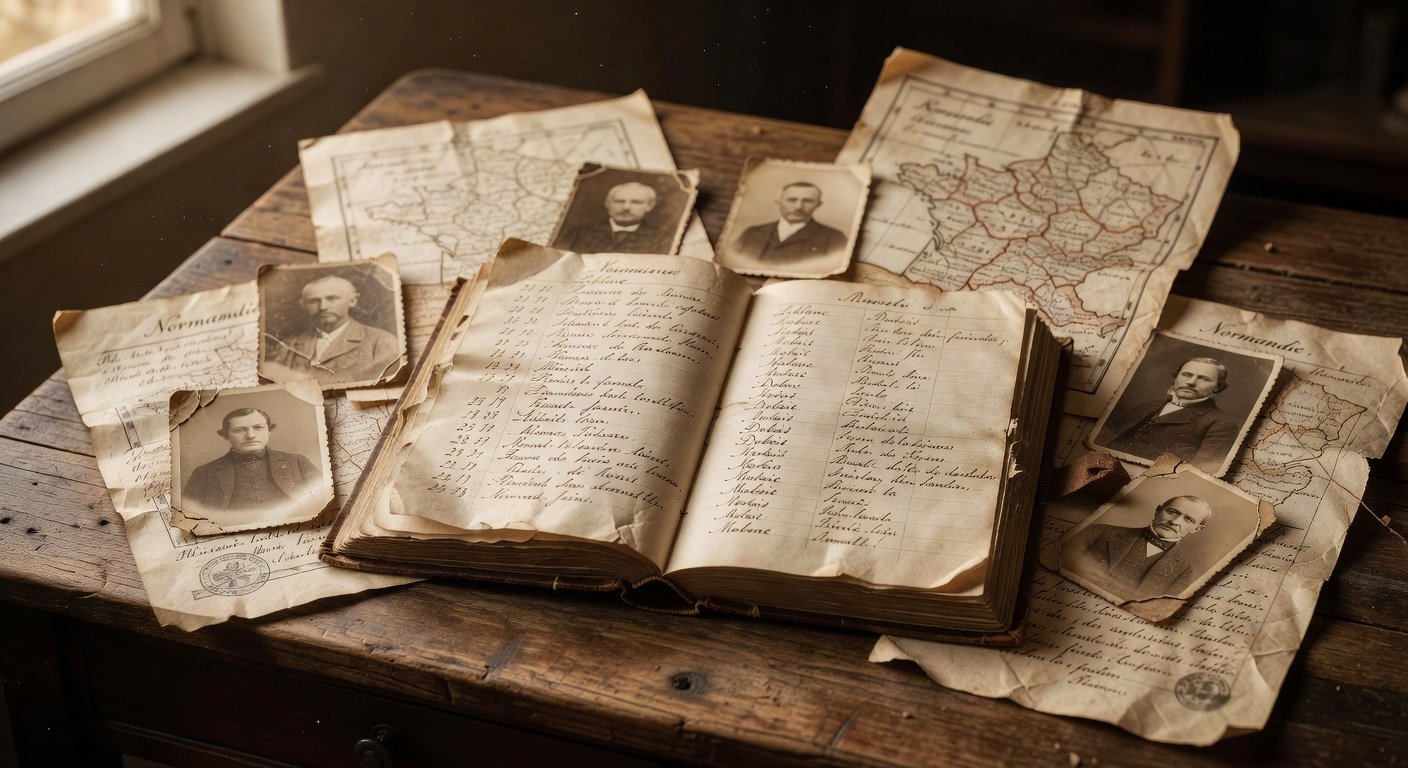
French surnames carry centuries of cultural heritage within their syllables, revealing stories of occupations, geographical locations, and family characteristics that shaped medieval France. When exploring surname meaning french origins, researchers often encounter patterns that reflect the country’s feudal system, religious influences, and regional dialects. These family names evolved from necessity during the 11th and 12th centuries when growing populations required more specific identification methods beyond simple given names. The French naming system developed distinct characteristics that differentiate it from other European traditions, incorporating elements like patronymic suffixes, locative markers, and occupational descriptors that paint vivid pictures of ancestral lives.
The structure of French surnames follows specific linguistic rules that provide clues about their origins and meanings. Many french last name meanings stem from four primary categories: patronymic names derived from father’s names, toponymic names indicating geographical origins, occupational surnames reflecting ancestral trades, and descriptive names highlighting physical or character traits. Prefixes like ‘de,’ ‘du,’ ‘le,’ and ‘la’ serve as grammatical markers that often indicate nobility, geographical connections, or article usage in medieval French. Understanding these structural elements helps genealogists and family history enthusiasts decode the rich narratives embedded within their french family name origins, providing insights into social status, regional heritage, and historical context that shaped their ancestors’ identities.
Common Prefixes in French Family Names
French surname prefixes serve as linguistic time capsules that reveal social hierarchies and geographical connections from medieval times. The prefix ‘de’ traditionally indicated nobility or land ownership, suggesting that the bearer came ‘from’ a particular place or estate, while ‘du’ (contraction of ‘de le’) and ‘des’ (contraction of ‘de les’) perform similar functions with different grammatical applications. Names like ‘Dubois’ (from the woods) or ‘Delacroix’ (from the cross) demonstrate how these prefixes combined with common nouns to create distinctive family identifiers. The articles ‘le’ and ‘la’ often preceded occupational or descriptive surnames, such as ‘Leblanc’ (the white one) or ‘Lemaire’ (the mayor), indicating that the original bearer was known by that particular characteristic or role within their community.
Occupational French Surnames and Their Historical Context
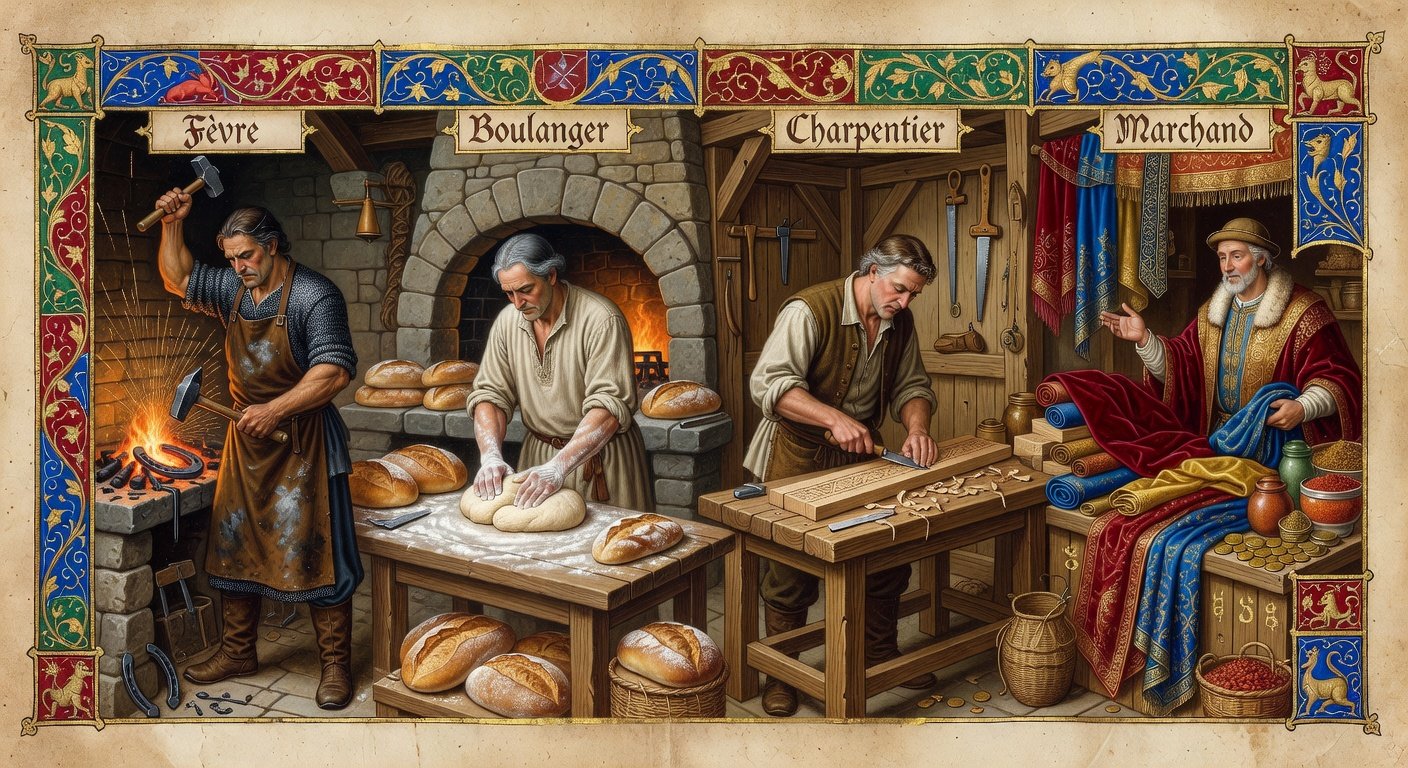
Medieval French society’s guild system created a rich collection of occupational surnames that persist today, offering windows into the economic and social structures of historical France. Surnames like ‘Boucher’ (butcher), ‘Boulanger’ (baker), ‘Charpentier’ (carpenter), and ‘Mercier’ (merchant) directly reference the trades that sustained medieval communities. These french last name meanings often extended beyond simple job descriptions to indicate social status, guild membership, and economic importance within local hierarchies. Specialized crafts produced equally specific surnames: ‘Orfèvre’ indicated a goldsmith, ‘Tisserand’ identified a weaver, and ‘Maréchal’ designated a farrier or military officer, demonstrating the precision with which medieval society categorized professional roles.
The evolution of occupational surnames reflects changing economic conditions and technological advances throughout French history. Some surnames maintained their original meanings while others adapted to new circumstances or became purely hereditary markers divorced from actual occupations. ‘Meunier’ (miller) surnames clustered around river valleys where water-powered mills operated, while ‘Vigneron’ (wine grower) names concentrated in wine-producing regions, showing how surname meaning french patterns correlate with geographical and economic factors. Understanding these occupational origins helps genealogists locate ancestral regions and comprehend the social mobility patterns that influenced family movements across generations, providing valuable context for tracing french family name origins through historical records.
Regional Variations in Occupational Names
French occupational surnames display fascinating regional variations that reflect local dialects, economic specializations, and cultural influences from neighboring countries. Northern French regions show Germanic influences in surnames like ‘Schmidt’ (smith) variations, while southern areas near Spain exhibit Occitan linguistic patterns in names like ‘Fabre’ (blacksmith) instead of the northern ‘Lefebvre.’ Coastal regions developed maritime occupational surnames such as ‘Marinier’ (sailor) or ‘Pêcheur’ (fisherman), while mountainous areas produced names like ‘Berger’ (shepherd) reflecting pastoral economies. These regional differences in french last name meanings provide crucial clues for genealogical research, as they can help narrow down ancestral origins to specific provinces or even individual villages where particular occupational terms were commonly used.
Geographic and Locative French Surname Origins
Locative surnames form a substantial portion of French family names, encoding geographical information that connects families to specific landscapes, settlements, and natural features. These surnames typically begin with prepositions like ‘de,’ ‘du,’ or ‘des,’ followed by place names, topographical features, or directional indicators. Names such as ‘Dupont’ (from the bridge), ‘Dubois’ (from the woods), ‘Deschamps’ (from the fields), and ‘Montagne’ (mountain) paint pictures of ancestral homelands and the physical environments that shaped daily life. The specificity of these locative markers often allows modern descendants to trace their origins to particular regions, villages, or even individual properties that existed centuries ago, making geographic surnames invaluable resources for genealogical research.
The relationship between surname meaning french geography and family history extends beyond simple location identification to encompass social status, land ownership, and migration patterns. Surnames incorporating specific place names like ‘de Normandie’ or ‘de Bretagne’ might indicate noble origins or significant family connections to those regions, while more general topographical surnames suggest common geographic features that required identification in medieval communities. French colonization and emigration spread these locative surnames globally, creating international networks of families sharing common geographical origins. Modern genealogists can use these geographic clues to reconstruct migration routes, identify potential family connections across continents, and understand the historical forces that dispersed french family name origins throughout the world.
Natural Features in French Surnames
French surnames incorporating natural landscape features reflect the intimate relationship between medieval communities and their physical environments. Water-related surnames like ‘Rivière’ (river), ‘Fontaine’ (fountain), ‘Ruisseau’ (stream), and ‘Lac’ (lake) indicate ancestral homes near important water sources that provided drinking water, power for mills, or transportation routes. Forest-related names such as ‘Forêt’ (forest), ‘Bois’ (woods), and ‘Chêne’ (oak) suggest families who lived near or worked in wooded areas, possibly as woodcutters, charcoal makers, or hunters. Hill and mountain surnames like ‘Colline’ (hill), ‘Vallée’ (valley), and ‘Sommet’ (summit) reveal the topographical diversity of ancestral French landscapes and help modern researchers understand the geographical contexts that shaped family histories and settlement patterns.
Patronymic and Descriptive French Family Names
Patronymic surnames, derived from fathers’ given names, represent another significant category of french last name meanings that preserve genealogical connections across generations. These names typically formed by adding suffixes like ‘-son,’ ‘-ez,’ or ‘-ot’ to popular medieval first names, creating surnames such as ‘Martineau’ (little Martin), ‘Rousseau’ (little red-haired one), or ‘Girard’ (from the Germanic name Gerard). French patronymic traditions differed from other European systems by often incorporating diminutive suffixes that suggested affection or indicated younger family members, creating subtle distinctions that reflected family relationships and social dynamics. Understanding these patronymic patterns helps genealogists trace family lines through historical records and identify potential relationships between families sharing similar surname roots.
Descriptive surnames based on physical characteristics, personality traits, or notable behaviors provide colorful insights into how medieval communities perceived and remembered individuals. Names like ‘Leblanc’ (the white/fair one), ‘Leroux’ (the red-haired one), ‘Legrand’ (the tall one), and ‘Petit’ (the small one) captured distinctive features that distinguished people within small communities. Behavioral or character-based surnames such as ‘Gentil’ (gentle), ‘Sage’ (wise), ‘Joly’ (cheerful), and ‘Hardy’ (bold) reflected personality traits that became family identifiers. These descriptive french family name origins often evolved from nicknames that stuck so firmly they passed to subsequent generations, creating permanent family markers based on temporary individual characteristics. Modern bearers of these surnames carry forward these ancient observations, connecting them to ancestral personalities and community relationships that shaped their family histories.
Religious and Cultural Influences on French Surnames
Medieval French society’s deep religious foundations influenced surname development through names referencing Christian holidays, saints, religious roles, and spiritual concepts. Surnames like ‘Noel’ (Christmas), ‘Pascal’ (Easter), ‘Saint-Martin,’ and ‘Leclerc’ (the clerk/cleric) demonstrate how religious observance and church hierarchy shaped family identification systems. Monastic influences created surnames referencing religious orders, church positions, and spiritual practices, while pilgrimage routes and religious festivals contributed names that commemorated significant spiritual events or locations. These religious surname meaning french patterns often clustered around major ecclesiastical centers, monasteries, and pilgrimage destinations, providing genealogists with valuable clues about ancestral religious practices and community affiliations that influenced family settlement patterns and social connections throughout medieval and early modern France.
Frequently Asked Questions
What are the most common French surnames?
The most common French surnames include Martin, Bernard, Dubois, Thomas, Robert, Richard, Petit, Durand, Leroy, and Moreau. These names reflect patronymic origins (Martin, Thomas), occupational backgrounds (Dubois meaning ‘from the woods’), and descriptive characteristics (Petit meaning ‘small’), representing the diverse naming traditions that shaped French family identification systems.
Why do French surnames start with ‘de’ or ‘le’?
French surnames beginning with ‘de’ typically indicate noble origins or geographical connections, meaning ‘from’ a particular place or estate. The prefix ‘le’ serves as a definite article meaning ‘the,’ often preceding occupational or descriptive surnames like ‘Leblanc’ (the white one) or ‘Lemaire’ (the mayor), indicating the bearer was known by that specific characteristic or role.
What do French surnames mean?
French surnames derive meanings from four main categories: occupational names reflecting ancestral trades (Boucher for butcher), geographical names indicating locations (Dupont meaning ‘from the bridge’), patronymic names based on fathers’ names (Martineau from Martin), and descriptive names highlighting physical traits (Leroux meaning ‘the red-haired one’). These meanings preserve medieval French social structures and cultural practices.
How can I trace my French surname origins?
Trace French surname origins by researching the name’s linguistic structure, identifying prefixes and suffixes that indicate category (occupational, geographical, patronymic, or descriptive), consulting French genealogical records and regional archives, and examining surname distribution maps to locate ancestral regions. Understanding the historical context and regional variations helps narrow down specific geographical origins and family migration patterns.
Ready to Research Your French Family History?
Understanding your French surname’s meaning is just the beginning of your genealogical journey. Our comprehensive surname research tools and expert guidance can help you trace your french family name origins back through centuries of records, connecting you with ancestral stories and geographical roots that shaped your family’s unique history. Start exploring your heritage today and uncover the rich cultural legacy embedded within your French surname.