
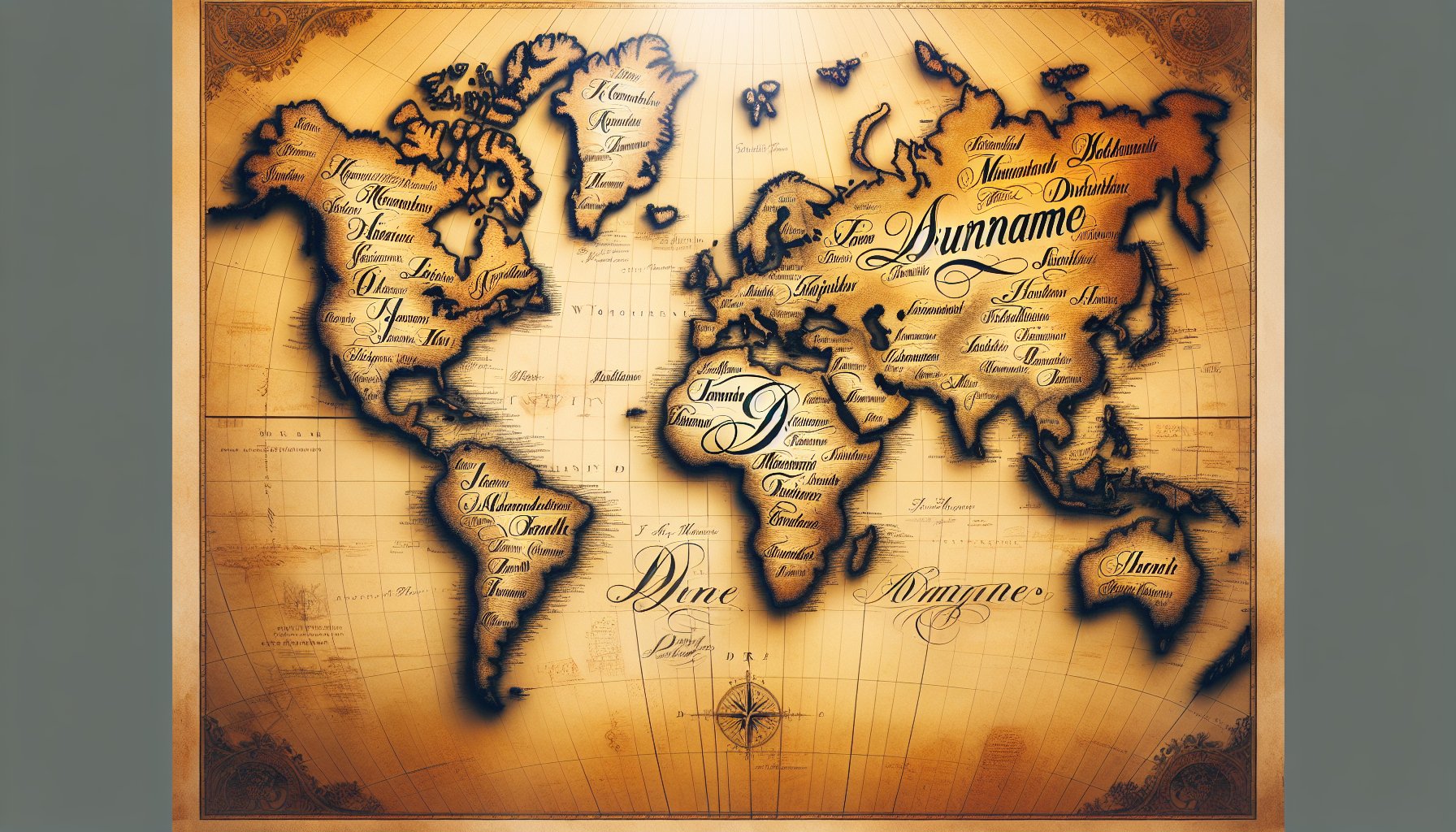
Exploring Surnames Starting With D: A Global Journey
Surnames starting with D hold a fascinating place in the world of genealogy, reflecting diverse cultural, linguistic, and historical influences. Whether you’re tracing your family tree or simply curious about last names beginning with D, understanding their origins can reveal stories of migration, occupation, and heritage. From European roots to African and Asian influences, a surname start with D often carries significant meaning tied to geography or ancestry. For instance, many D surnames evolved from patronymic traditions, where a father’s name became a family identifier. Others emerged from descriptive terms about a person’s trade or location. This article embarks on a journey to uncover the roots of these names, offering insights into their global significance and how they connect us to the past through shared human history.
The diversity of surnames starting with D spans continents and centuries, shaped by language shifts and societal changes. In Europe, names like ‘Davis’ trace back to Welsh origins meaning ‘son of David,’ while ‘Dupont’ in France translates to ‘of the bridge,’ indicating a geographic feature. In other regions, such as India, last names beginning with D like ‘Desai’ denote a title for landowners or village heads. These variations highlight how surnames are more than identifiers—they are windows into cultural identities. As we explore specific examples, you’ll see how historical events like colonization or trade influenced the spread of these names, creating a rich tapestry of stories. Let’s dive into some prominent D surnames and their unique origins across different cultures.
European Roots of Surnames Start With D
Europe is a treasure chest of history when it comes to surnames starting with D, reflecting the continent’s complex past of kingdoms, migrations, and linguistic evolution. In the British Isles, ‘Davis’ and ‘Davies’ are among the most common, both derived from the Hebrew name David, meaning ‘beloved,’ and indicating a patronymic origin as ‘son of David.’ These names spread widely during the medieval period, especially in Wales and England. In France, ‘Dubois’—meaning ‘of the woods’—points to families who lived near forests, showcasing how geography shaped naming conventions. Similarly, ‘Dupont,’ translating to ‘of the bridge,’ often referred to a family’s proximity to a notable landmark. These names not only identified individuals but also tied them to their environment, a common practice in medieval Europe.
Moving to other parts of Europe, surnames starting with D reveal further diversity. In Germany, ‘Dietrich’ stems from Old High German elements meaning ‘ruler of the people,’ often linked to nobility or leadership roles in early communities. In Italy, ‘De Luca’ combines the prefix ‘De,’ meaning ‘of,’ with a personal name, indicating regional or familial ties. These names spread through migration and intermarriage, especially during periods like the Renaissance when trade routes connected distant regions. The evolution of last names beginning with D in Europe often mirrors historical events, such as the Norman Conquest or the Holy Roman Empire’s influence, which reshaped naming patterns. Understanding these roots can help genealogists pinpoint ancestral origins with greater accuracy.

Notable British and Irish D Surnames
In the British Isles, last names beginning with D often carry deep historical weight, tied to both Celtic and Anglo-Saxon traditions. ‘Doyle,’ an Irish surname, originates from the Gaelic ‘Ó Dubhghaill,’ meaning ‘descendant of the dark foreigner,’ likely referring to Viking settlers during the early medieval period. It remains prevalent in Ireland today, especially in Leinster. Similarly, ‘Dalton,’ of English origin, derives from Old English terms for ‘valley town,’ indicating a family’s settlement in such an area. These names often spread through migration to colonies like Australia and North America, where they adapted to new cultural contexts. Tracing these surnames can uncover connections to specific historical migrations or even clan affiliations, offering a personal link to centuries-old stories of survival and adaptation.
Surnames Start With D in Asia and Africa
Beyond Europe, surnames starting with D also appear prominently in Asia and Africa, reflecting unique cultural naming practices. In India, ‘Desai’ is a common surname among Gujarati communities, historically tied to a title for village leaders or landowners, derived from the Sanskrit ‘desh,’ meaning ‘country.’ Similarly, ‘Das’—meaning ‘servant’—often indicates devotion to a deity when paired with a god’s name, like ‘Ramdas.’ These names highlight social roles or spiritual affiliations rather than geography. As Indian diaspora communities grew worldwide, especially in the 19th and 20th centuries, these last names beginning with D became more globally recognized, often retaining their original spellings and pronunciations despite linguistic barriers, serving as a cultural anchor for families far from their ancestral homeland.
In Africa, surnames starting with D often connect to ethnic identities or colonial histories. In South Africa, ‘Dlamini’ is a prominent Zulu surname, linked to one of the largest clans and even the Swazi royal family, carrying significant cultural weight. Its origins are tied to oral histories of migration and tribal leadership. Meanwhile, in regions influenced by European colonization, names like ‘Duarte’—a Portuguese surname meaning ‘guardian’—emerged through intermarriage or administrative records. These names illustrate how global interactions, from trade to imperialism, shaped surname distribution. For genealogists, understanding these African D surnames requires exploring both indigenous traditions and colonial archives to piece together family histories disrupted by historical upheavals like the transatlantic slave trade.
Tracing Your Surname Start With D: Tips for Genealogists
If your family name is among the many surnames starting with D, tracing its origins can be a rewarding endeavor. Start by gathering oral histories from relatives to identify potential regions or countries of origin. Online databases like Ancestry.com or FamilySearch.org offer access to historical records, including census data, immigration logs, and parish registers, which can reveal when and where a surname first appeared in your lineage. Pay attention to spelling variations—names like ‘Davies’ and ‘Davis’ might be interchangeable in older documents due to inconsistent record-keeping. Additionally, consider the cultural context of the name; a surname like ‘Desai’ might point to Indian roots, while ‘Dubois’ suggests French ancestry. These clues narrow down your search significantly.
Another valuable approach is exploring surname distribution maps, which show where last names beginning with D are most common today. Tools like Forebears.io or MyHeritage can visualize this data, helping you pinpoint ancestral hotspots. DNA testing is also a powerful resource, connecting you with distant relatives who share your surname and potentially revealing ethnic origins you hadn’t considered. Remember to cross-reference findings with historical events—wars, migrations, or colonial expansions often influenced how surnames spread or changed. Local archives or genealogical societies in suspected regions of origin can provide primary sources like birth certificates or land deeds. With patience, tracing a surname start with D can uncover a vivid story of your family’s past.
Frequently Asked Questions
What are some common surnames starting with D?
Common surnames starting with D include ‘Davis’ and ‘Davies,’ both of Welsh origin meaning ‘son of David,’ prevalent in the UK and US. ‘Dubois,’ a French name meaning ‘of the woods,’ is widespread in France and Canada. In India, ‘Desai’ and ‘Das’ are frequent, tied to historical roles or devotion. ‘Dlamini’ is notable in South Africa among Zulu communities. These names reflect diverse cultural origins.
What does the surname Davis mean?
The surname Davis is of Welsh origin, meaning ‘son of David.’ It derives from a patronymic tradition where family names were based on a father’s given name. David itself comes from Hebrew, meaning ‘beloved.’ This surname is common in the UK, US, and Australia, often linked to medieval Welsh and English ancestry.
Where do Indian surnames starting with D come from?
Indian surnames starting with D, like ‘Desai’ and ‘Das,’ often originate from Sanskrit or regional languages. ‘Desai’ historically denotes a village leader or landowner, common in Gujarat. ‘Das,’ meaning ‘servant,’ often pairs with a deity’s name to signify devotion. These names reflect social roles or spiritual ties within communities.
How can I trace the origin of my D surname?
To trace a surname starting with D, start with family stories to identify potential origins. Use genealogy platforms like Ancestry.com for historical records such as census data or immigration logs. Explore surname distribution maps on sites like Forebears.io to see where your name is common. DNA testing can also connect you to relatives and ethnic roots.
Ready to Uncover Your Family’s Story?
Curious about the origins of your surname start with D or other family names? Our team can help you trace your ancestry with expert guidance and access to extensive genealogical resources. Contact us today for a personalized consultation and start piecing together your unique heritage. Your family’s history is waiting to be explored!