
The Rich Heritage of Surnames Beginning With T
Surnames beginning with T represent one of the most diverse and historically significant groups of family names across multiple cultures. From the occupational Taylor to the patronymic Thompson, these surnames starting with t carry centuries of human history within their syllables. The letter T introduces us to names that span continents, reflecting everything from medieval trades to ancient tribal affiliations. Understanding the origins of last names that start with t provides fascinating insights into how our ancestors lived, worked, and identified themselves within their communities.
The prevalence of T surnames varies dramatically across different regions and cultures. In English-speaking countries, names like Taylor, Thomas, and Turner rank among the most common surnames, while in other cultures, surnames starting with t might reflect entirely different linguistic patterns and cultural traditions. These family names often reveal migration patterns, occupational histories, and social structures that shaped entire civilizations. The study of T surnames offers genealogists and family historians a unique window into understanding how naming conventions evolved and spread across the globe.
Occupational Surnames Starting With T
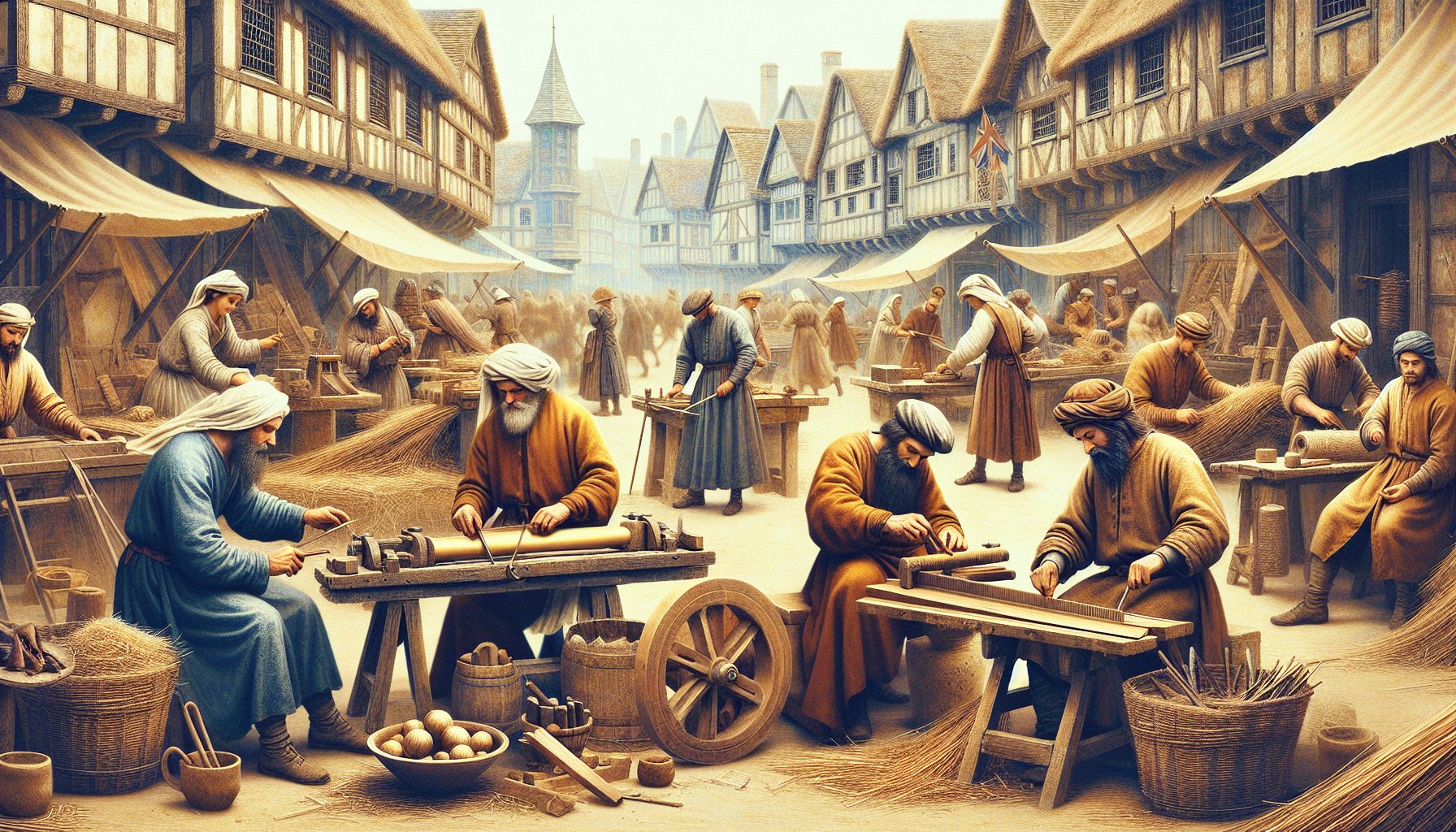
Many surnames beginning with t originated from medieval occupations, reflecting the vital trades and crafts that sustained communities for centuries. Taylor, perhaps the most recognizable occupational T surname, derives from the Old French ‘tailleur,’ meaning one who cuts cloth. This surname spread throughout Europe as tailoring became an essential craft in growing towns and cities. Turner, another prominent occupational surname, identified individuals who operated lathes to shape wood, metal, or other materials. These craftsmen were highly valued in medieval society, and their surnames became hereditary markers of their family’s professional legacy.
Thatcher represents another significant occupational category among surnames starting with t, identifying those who specialized in roofing homes with straw, reed, or similar materials. This crucial building trade ensured communities had weatherproof shelter, making thatchers indispensable members of society. Tucker, derived from the cloth-finishing process of fulling, represents the textile industry’s complexity during medieval times. These occupational surnames starting with t demonstrate how professional identities became permanently embedded in family names, creating lasting connections between modern descendants and their ancestral trades.
Regional Variations of T Occupational Surnames
The evolution of occupational surnames beginning with t shows remarkable regional diversity, with similar trades producing different surname forms across various cultures. In Germanic regions, occupational surnames starting with t often incorporated local linguistic elements, creating variations like Tischler (carpenter) or Töpfer (potter). Scottish and Irish variations of occupational T surnames frequently included clan prefixes or Gaelic linguistic influences, resulting in unique family names that reflected both profession and cultural heritage. These regional adaptations of occupational surnames starting with t illustrate how naming conventions adapted to local languages while maintaining their fundamental connection to ancestral trades.
Patronymic and Matronymic T Surnames
Patronymic surnames starting with t form another major category, typically derived from given names beginning with this letter. Thompson, meaning ‘son of Thomas,’ represents one of the most widespread patronymic surnames in English-speaking countries. The popularity of the given name Thomas, derived from the Aramaic word for ‘twin,’ contributed to Thompson’s prevalence across multiple generations. Similarly, surnames like Thomsen in Scandinavian countries or Tomaszewski in Poland demonstrate how patronymic naming patterns adapted to different linguistic traditions while maintaining their essential meaning.
The development of patronymic surnames beginning with t often reflects historical naming practices where children adopted their father’s given name as their hereditary surname. This practice created lasting family identities tied to ancestral given names. Names like Tillman, derived from the Germanic given name Tillmann, or Tomlinson, meaning ‘son of Thomas,’ show how patronymic surnames starting with t evolved across different cultures. These naming patterns provide genealogists with valuable clues about family relationships and cultural origins, making patronymic T surnames particularly significant for family history research.
Cultural Significance of T Patronymic Names
The cultural significance of patronymic surnames beginning with t extends beyond simple identification, often reflecting religious, social, or cultural values important to ancestral communities. The prevalence of Thomas-derived surnames across Christian cultures reflects the apostle Thomas’s significance in Christian tradition. Similarly, surnames starting with t that derive from other religious or culturally significant given names often indicate the values and beliefs that shaped ancestral naming decisions. Understanding these cultural contexts helps modern descendants appreciate the deeper meanings embedded within their patronymic T surnames.
Geographic and Topographic Surnames Starting With T
Geographic surnames beginning with t often identify ancestral connections to specific locations, natural features, or settlement patterns. Names like Thornton, derived from settlements near thorn bushes, or Townsend, indicating residence at a town’s end, reflect how geographic features influenced surname development. These last names that start with t provide valuable information about ancestral living situations and the landscapes that shaped their daily lives. Topographic surnames starting with t frequently describe natural features like hills, valleys, rivers, or distinctive vegetation that characterized ancestral homelands.
The evolution of geographic surnames starting with t demonstrates how communities used landscape features for identification and navigation. Names like Thorne, indicating residence near thorny vegetation, or Temple, suggesting proximity to religious buildings, show how physical landmarks became permanent family identifiers. These geographic surnames beginning with t often provide genealogists with specific clues about ancestral locations, enabling more targeted research into family origins. The persistence of these geographic identifiers across generations illustrates how deeply connected our ancestors were to their physical environments and local communities.
Ethnic and Cultural Variations of T Surnames
Surnames starting with t display remarkable diversity across different ethnic and cultural traditions, reflecting unique linguistic patterns and naming conventions. In Celtic traditions, surnames beginning with t often incorporate clan prefixes or Gaelic elements, creating distinctive family names like O’Toole or MacTavish. These Celtic T surnames frequently carry meanings related to ancient tribal affiliations, geographic features, or ancestral characteristics. Similarly, Germanic surnames starting with t often reflect compound word formations that describe occupations, personal characteristics, or geographic features using Germanic linguistic structures.
Asian cultures contribute their own unique categories of surnames beginning with t, often reflecting different philosophical, geographic, or social concepts than Western naming traditions. Chinese surnames starting with t, such as Tang or Tan, frequently carry meanings related to ancient dynasties, geographic regions, or philosophical concepts. Japanese surnames beginning with t often incorporate elements describing natural features, seasonal references, or family characteristics. These cultural variations of surnames starting with t demonstrate how different societies developed distinct approaches to family identification while creating rich tapestries of meaning within their naming systems.
Modern Distribution Patterns of T Surnames
Contemporary distribution patterns of surnames beginning with t reflect historical migration patterns, colonial influences, and modern globalization trends. The prevalence of English occupational surnames starting with t in former British colonies demonstrates how naming conventions spread through imperial expansion. Similarly, the concentration of specific T surnames in particular regions often indicates historical settlement patterns or ethnic community clustering. Modern genealogical research benefits from understanding these distribution patterns, as they provide valuable context for tracing family migrations and cultural connections across generations.
Frequently Asked Questions
What are the most common surnames beginning with T?
The most common surnames starting with T include Taylor, Thompson, Thomas, Turner, and Tucker. These names primarily originate from occupational or patronymic sources and are prevalent throughout English-speaking countries, with Taylor being particularly widespread due to the essential nature of tailoring in medieval communities.
How can I research the origin of my T surname?
Research your T surname by examining its linguistic roots, checking historical records, and analyzing geographic distribution patterns. Start with genealogy databases, surname dictionaries, and family documents. Consider whether your surname appears occupational, patronymic, or geographic in nature, as this helps narrow research focus.
Do surnames starting with T have different meanings in different cultures?
Yes, surnames beginning with T can have completely different meanings across cultures. While English T surnames often derive from occupations or patronymic sources, Asian T surnames might reflect dynastic names, philosophical concepts, or natural features. Celtic T surnames frequently incorporate clan affiliations or Gaelic linguistic elements.
Why are some T surnames more common than others?
The frequency of T surnames depends on historical factors like the popularity of associated given names, the prevalence of specific occupations, and migration patterns. Names like Taylor became common because tailoring was essential in medieval society, while patronymic surnames like Thompson reflect the popularity of the given name Thomas.
Ready to Explore Your T Surname Heritage?
Understanding your surname’s origins opens doors to fascinating family history discoveries. Whether your surname starting with T connects to medieval craftsmen, ancient clans, or geographic landmarks, professional genealogical research can uncover the stories behind your family name. Contact our experienced genealogy specialists to begin tracing your T surname’s journey through history and discover the rich cultural heritage embedded in your family identity.