
Understanding Roman Numeral Date Systems on Historic Monuments
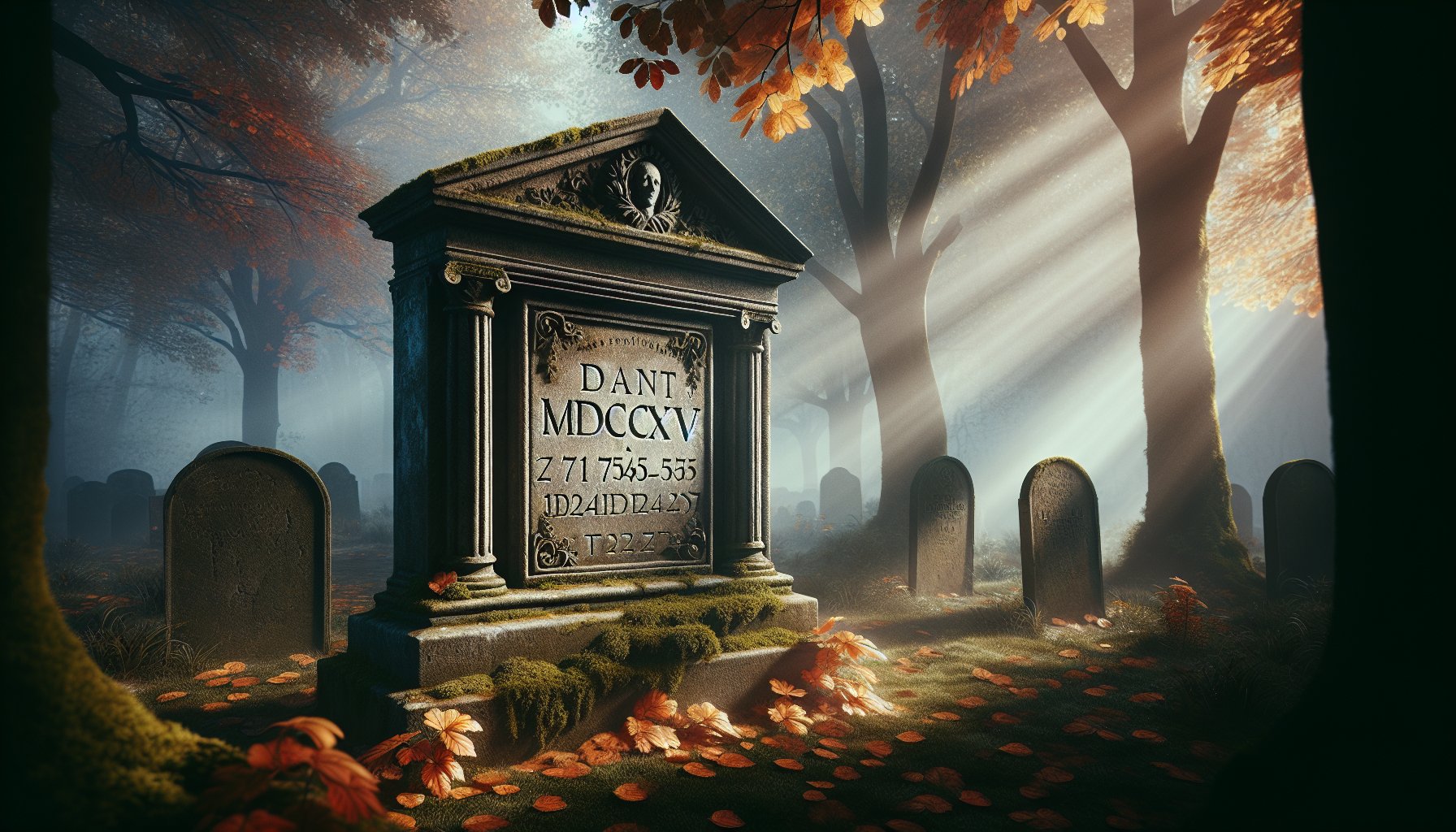
Walking through historic cemeteries and examining ancient monuments reveals a fascinating world of Roman numeral dates that tell stories spanning centuries. These numerical systems, carved in stone and weathered by time, serve as permanent records of birth years, death dates, and significant life events. For genealogy researchers and history enthusiasts, learning to decode these roman numeral converter dates becomes essential for accurate family tree construction and historical documentation. The practice of using Roman numerals on tombstones peaked during the 18th and 19th centuries, when classical education emphasized Latin literacy and Roman cultural references. Understanding these date systems opens doors to previously inaccessible genealogical information, allowing researchers to trace family lineages with greater precision and confidence.
The conversion process from Roman numerals to modern Arabic numerals follows specific mathematical principles that remain consistent across all historical periods. Each Roman numeral symbol represents a fixed value: I equals one, V equals five, X equals ten, L equals fifty, C equals one hundred, D equals five hundred, and M equals one thousand. When these symbols combine in various arrangements, they create complex date representations that require systematic interpretation. Modern genealogists benefit tremendously from mastering these conversion techniques, as cemetery records often contain the only surviving documentation of ancestor birth and death dates. Professional genealogy researchers emphasize that accurate date converter into roman numerals skills can reveal previously unknown family connections and resolve longstanding genealogical mysteries.
Basic Roman Numeral Symbols and Their Values
The foundation of Roman numeral date conversion rests on seven primary symbols that form the building blocks of all date representations. The symbol I represents the value one and appears most frequently in date constructions, often repeated to indicate quantities up to three. V symbolizes five and typically appears in combination with I symbols to create values between six and nine. X represents ten and serves as the cornerstone for double-digit date components, while L indicates fifty and appears less frequently in typical date ranges. C symbolizes one hundred and becomes crucial for converting centuries and full year dates, particularly those from the second millennium. D represents five hundred and appears primarily in dates from 1500 onward, while M indicates one thousand and forms the basis for all modern era date conversions. These symbols combine through addition and subtraction principles to create comprehensive date representations that accurately reflect historical chronology.

Addition and Subtraction Rules in Roman Date Systems
Roman numeral mathematics operates on straightforward addition and subtraction principles that govern how symbols combine to form complete dates. When smaller value symbols appear after larger value symbols, addition occurs automatically, creating cumulative totals that build toward final date values. For example, the sequence XVI represents 10 + 5 + 1, totaling sixteen, while LXII indicates 50 + 10 + 1 + 1, equaling sixty-two. Subtraction rules apply when smaller symbols precede larger symbols, creating efficient representations for specific numerical ranges. The combination IV represents 5 – 1, equaling four, while IX indicates 10 – 1, totaling nine. These subtraction principles extend to larger values, with XL representing 50 – 10 (forty), XC indicating 100 – 10 (ninety), CD representing 500 – 100 (four hundred), and CM indicating 1000 – 100 (nine hundred). Understanding these mathematical relationships enables accurate conversion of complex roman numerals converter for dates found on historic monuments.
Converting Common Tombstone Date Formats
Historic tombstones display dates in various Roman numeral formats that reflect different cultural traditions and carving practices from specific time periods. Complete birth and death years typically appear as four-symbol combinations, such as MDCCXLV for 1745 or MCMLXII for 1962, requiring systematic breakdown into thousands, hundreds, tens, and units for accurate conversion. Many tombstones feature abbreviated date formats that omit century markers, displaying only the final two digits of years in Roman numeral form. These shortened representations assume viewers understand the appropriate century context, making accurate interpretation dependent on additional contextual clues like surrounding burial dates or cemetery establishment periods. Professional genealogists recommend cross-referencing abbreviated Roman numeral dates with historical records and family documentation to ensure conversion accuracy.
Month and day representations on tombstones follow similar Roman numeral conventions but often appear in conjunction with Latin month abbreviations or seasonal references. January through December convert to Roman numerals I through XII respectively, while specific days within months require individual numeral conversion using standard mathematical principles. Some memorial stones display complete date sequences in Roman numeral format, presenting birth and death information as continuous numerical strings that demand careful parsing for accurate interpretation. Advanced tombstone date formats occasionally incorporate additional elements like feast days, religious calendar references, or regnal years that complicate standard conversion processes. Modern convert dates in roman numerals tools and reference guides help genealogists navigate these complex date representations while maintaining historical accuracy and research integrity.
Decoding Years from 1000 to 1999
The second millennium presents the most commonly encountered Roman numeral dates on historic tombstones, requiring mastery of M-based conversion techniques for accurate genealogical research. Years beginning with 1000 start with the symbol M, followed by additional symbols representing hundreds, tens, and units in descending order of value. The year 1492 converts to MCDXCII, breaking down as M (1000) + CD (400) + XC (90) + II (2), while 1776 becomes MDCCLXXVI, representing M (1000) + DCC (700) + LXX (70) + VI (6). Complex subtraction combinations frequently appear in this date range, with years like 1444 (MCDXLIV) and 1999 (MCMXCIX) requiring careful attention to subtraction principles. Professional genealogists emphasize practicing these conversion patterns repeatedly, as second millennium dates comprise the majority of genealogically relevant tombstone inscriptions found in American and European cemeteries.
Understanding Years from 1800 to 1900
The nineteenth century represents a peak period for Roman numeral tombstone usage, making this date range particularly important for genealogical research and family history documentation. Years in the 1800s consistently begin with the combination MDCCC, representing 1000 + 800, followed by additional symbols for the remaining numerical values. The year 1823 converts to MDCCCXXIII, while 1856 becomes MDCCCLVI, and 1899 translates to MDCCCXCIX using standard addition and subtraction principles. This century’s dates often feature extended symbol sequences that can appear overwhelming to beginning researchers, but systematic breakdown into component parts simplifies the conversion process significantly. Cemetery preservation societies note that nineteenth-century tombstones frequently display the clearest and most elaborate Roman numeral date carvings, making them excellent practice subjects for developing conversion skills.
Practical Tools and Techniques for Date Conversion
Modern genealogy research benefits from combining traditional Roman numeral knowledge with contemporary digital tools that streamline the conversion process and reduce interpretation errors. Online roman numeral converter dates calculators provide instant conversion capabilities, allowing researchers to verify their manual calculations and explore alternative interpretation possibilities for ambiguous inscriptions. Mobile applications designed specifically for cemetery research often include built-in Roman numeral converters alongside GPS mapping, photograph organization, and transcription tools that enhance field research efficiency. Professional genealogists recommend maintaining both digital and analog conversion resources, as cemetery environments may lack reliable internet connectivity required for online tools.
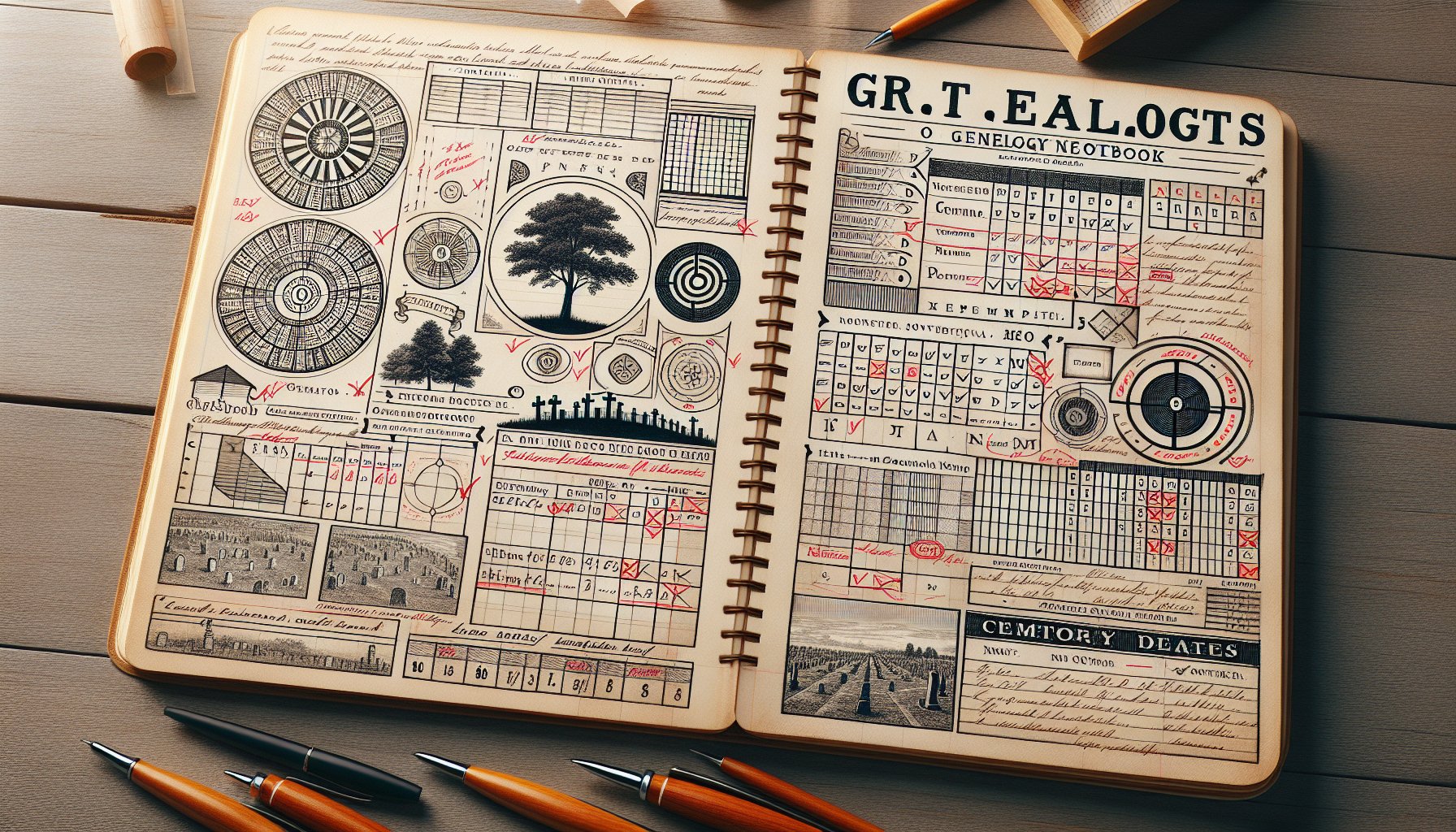
Physical reference cards and conversion charts serve as invaluable backup resources during cemetery visits, providing quick symbol identification and mathematical guidance without technological dependencies. Creating personalized conversion worksheets helps researchers develop muscle memory for common date patterns while building confidence in independent interpretation abilities. Advanced researchers often develop shorthand notation systems that facilitate rapid field transcription of Roman numeral dates, enabling efficient data collection during extended cemetery research sessions. Photography techniques that capture Roman numeral inscriptions from multiple angles and lighting conditions ensure accurate conversion work can continue in laboratory settings, where researchers have access to comprehensive reference materials and collaborative expertise.
Step-by-Step Conversion Process
Systematic Roman numeral date conversion follows a methodical approach that minimizes errors and ensures consistent results across different inscription styles and preservation conditions. Begin by photographing the complete inscription from multiple angles, ensuring adequate lighting reveals all symbol details and potential weathering damage that might obscure individual characters. Transcribe the visible Roman numeral sequence exactly as it appears, noting any uncertain or damaged symbols that may require additional interpretation or cross-referencing with historical records. Break the complete sequence into logical groupings based on symbol size, spacing, and traditional date format conventions, separating year, month, and day components when multiple date elements appear together. Apply standard addition and subtraction rules systematically to each symbol group, working from left to right and maintaining careful attention to symbol order and mathematical relationships.
Common Mistakes and How to Avoid Them
Frequent conversion errors stem from misunderstanding subtraction principles, particularly when multiple subtraction combinations appear within single date representations. The sequence MCMXC (1990) often confuses beginning researchers who may incorrectly interpret CM as simple addition rather than the subtraction combination representing 900. Similarly, complex sequences like MCDXLIV (1444) require careful attention to multiple subtraction elements that can easily lead to calculation mistakes when processed too quickly. Weather damage and stone erosion create additional interpretation challenges, as partially obscured symbols may resemble different numerals entirely, leading to significant date discrepancies in genealogical records. Professional researchers recommend developing systematic verification procedures that cross-reference converted dates with known family history information, cemetery establishment dates, and regional historical events to identify potential conversion errors before incorporating dates into official genealogical documentation.
Historical Context and Cultural Significance
The prevalence of Roman numeral dates on tombstones reflects broader cultural and educational trends that shaped memorial practices across different historical periods and geographic regions. Classical education systems of the 18th and 19th centuries emphasized Latin literacy and Roman cultural knowledge, making Roman numeral usage a natural expression of educational achievement and cultural sophistication. Wealthy families often commissioned elaborate tombstones featuring extensive Roman numeral inscriptions as displays of classical learning and social status, while simpler memorials might include basic Roman numeral dates as affordable alternatives to more elaborate decorative elements. Regional variations in Roman numeral usage patterns provide insights into local educational traditions, religious practices, and cultural influences that shaped community memorial customs.
Immigration patterns significantly influenced Roman numeral tombstone practices, as European immigrants brought established memorial traditions to American cemetery grounds throughout the colonial and early national periods. German, Irish, and Italian immigrant communities maintained distinct preferences for Roman numeral date formats that reflected their cultural origins and religious affiliations. The gradual decline of Roman numeral tombstone usage during the early 20th century paralleled broader educational reforms that de-emphasized classical studies in favor of practical and scientific curricula. Understanding these historical contexts helps genealogists interpret Roman numeral dates within appropriate cultural frameworks, avoiding anachronistic assumptions about literacy levels, social status, or religious affiliations based solely on numeral system choices.
Regional Variations in Roman Numeral Usage
Geographic location significantly influences Roman numeral tombstone practices, with distinct regional preferences emerging from local cultural traditions, religious denominations, and immigrant settlement patterns. New England cemeteries frequently display elaborate Roman numeral inscriptions reflecting Puritan educational values and classical learning traditions, while Southern burial grounds often feature simpler Roman numeral formats integrated with religious symbolism and family coat-of-arms elements. Midwestern cemetery grounds show diverse Roman numeral styles reflecting the region’s varied immigrant populations, with German Lutheran, Irish Catholic, and Scandinavian Protestant communities each maintaining distinctive memorial practices. Western territories and states demonstrate more standardized Roman numeral usage patterns, as later settlement periods coincided with increased standardization of memorial industry practices and reduced emphasis on classical education systems.
Frequently Asked Questions
How do you read Roman numerals on old tombstones?
Read Roman numerals by identifying the seven basic symbols (I=1, V=5, X=10, L=50, C=100, D=500, M=1000) and applying addition/subtraction rules. When smaller symbols follow larger ones, add their values. When smaller symbols precede larger ones, subtract them. Break complex dates into thousands, hundreds, tens, and units for easier conversion.
What Roman numerals are used for dates?
Common date Roman numerals include M (1000) for millennia, D (500) and C (100) for centuries, L (50) and X (10) for decades, and V (5) and I (1) for individual years. Subtraction combinations like CM (900), CD (400), XC (90), XL (40), IX (9), and IV (4) frequently appear in date representations.
How do you convert a year to Roman numerals?
Convert years by breaking them into thousands, hundreds, tens, and units. For 1776: M (1000) + DCC (700) + LXX (70) + VI (6) = MDCCLXXVI. Use subtraction combinations for efficiency: 1900 becomes MCM (1000 + 900), where CM represents 1000-100.
Why were Roman numerals used on gravestones?
Roman numerals on gravestones reflected classical education, cultural sophistication, and religious tradition. The 18th-19th centuries emphasized Latin literacy, making Roman numerals a natural choice for permanent memorials. They also demonstrated social status and educational achievement while connecting families to classical heritage and Christian traditions.
Ready to Explore Your Family’s Cemetery Records?
Transform your genealogy research with professional guidance and advanced cemetery research techniques. Our expert genealogists specialize in decoding historic tombstone inscriptions, interpreting Roman numeral dates, and uncovering family connections hidden in cemetery records. Contact us today to begin your comprehensive family history investigation and discover the stories waiting in stone.